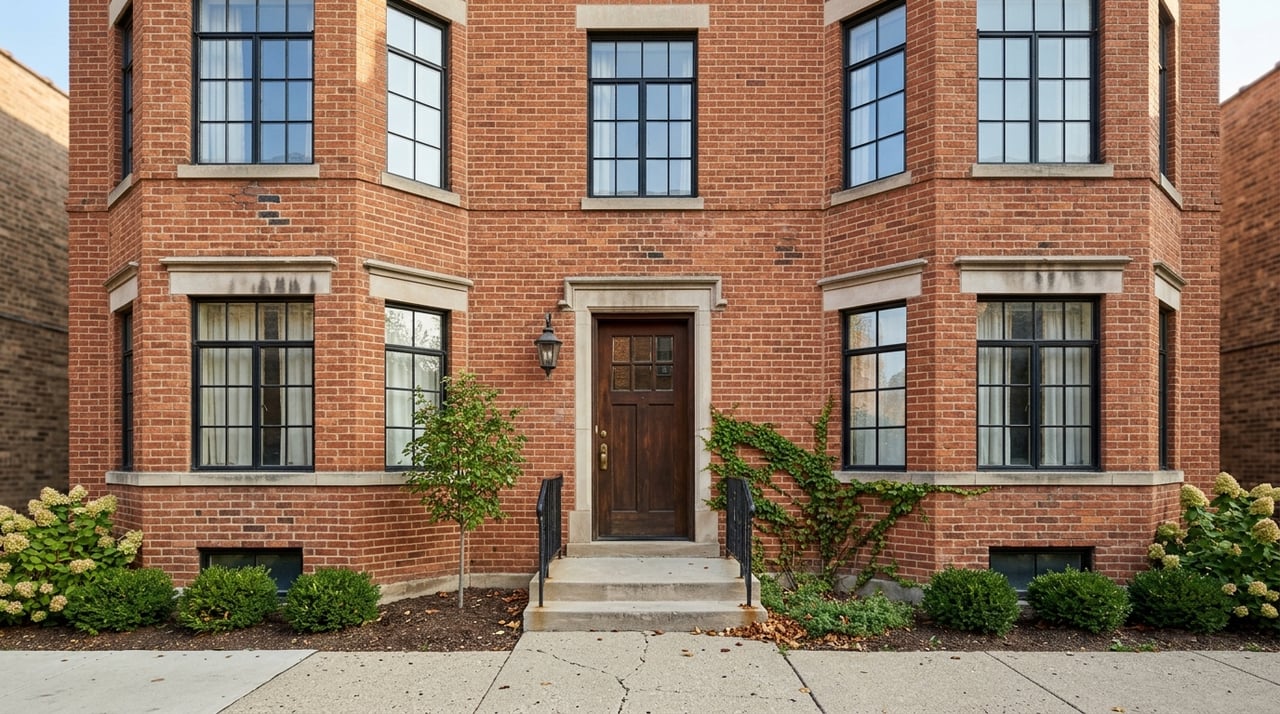
If you have ever fallen for a Chicago apartment because of the tall ceilings, woodwork, or that one perfect bay window, there is a good chance you were looking at a vintage walk-up. These homes have a very specific feel, and for many buyers, that feel is the whole point. If you are wondering what daily life is actually like in one of these classic buildings, this guide will help you weigh the charm, the trade-offs, and the ownership details that matter most. Let’s dive in.
What a Chicago vintage walk-up means
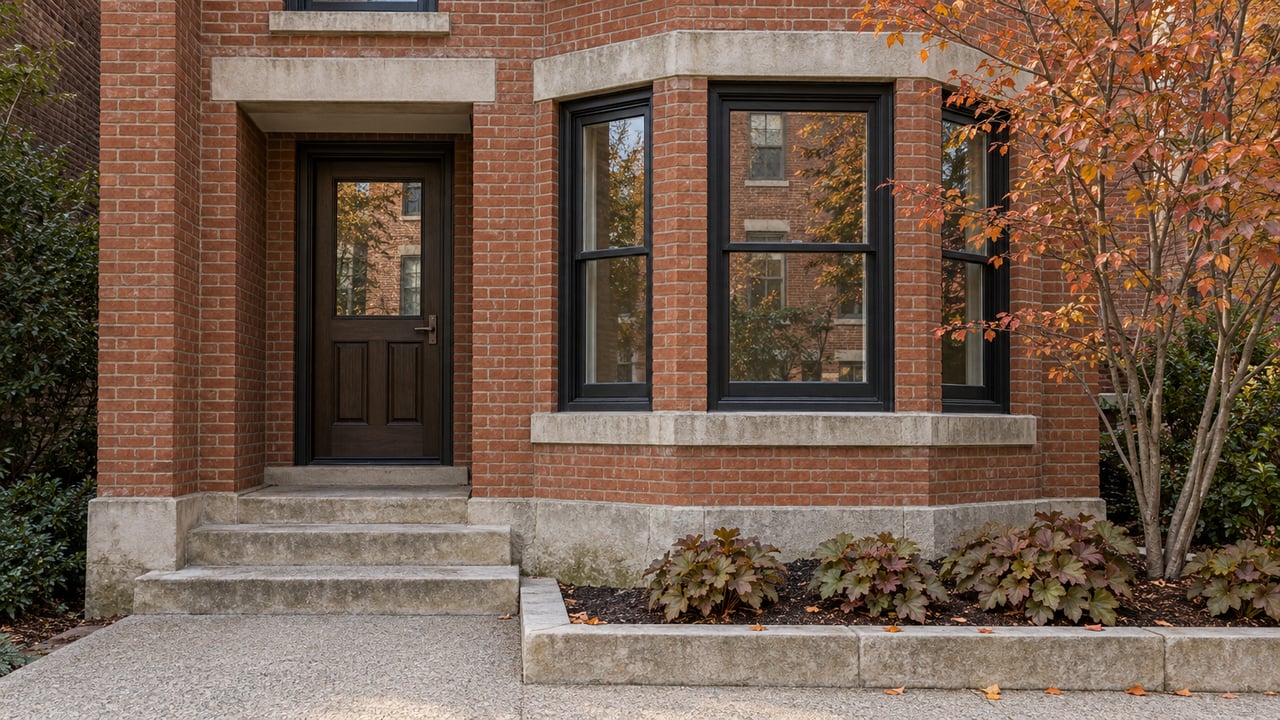
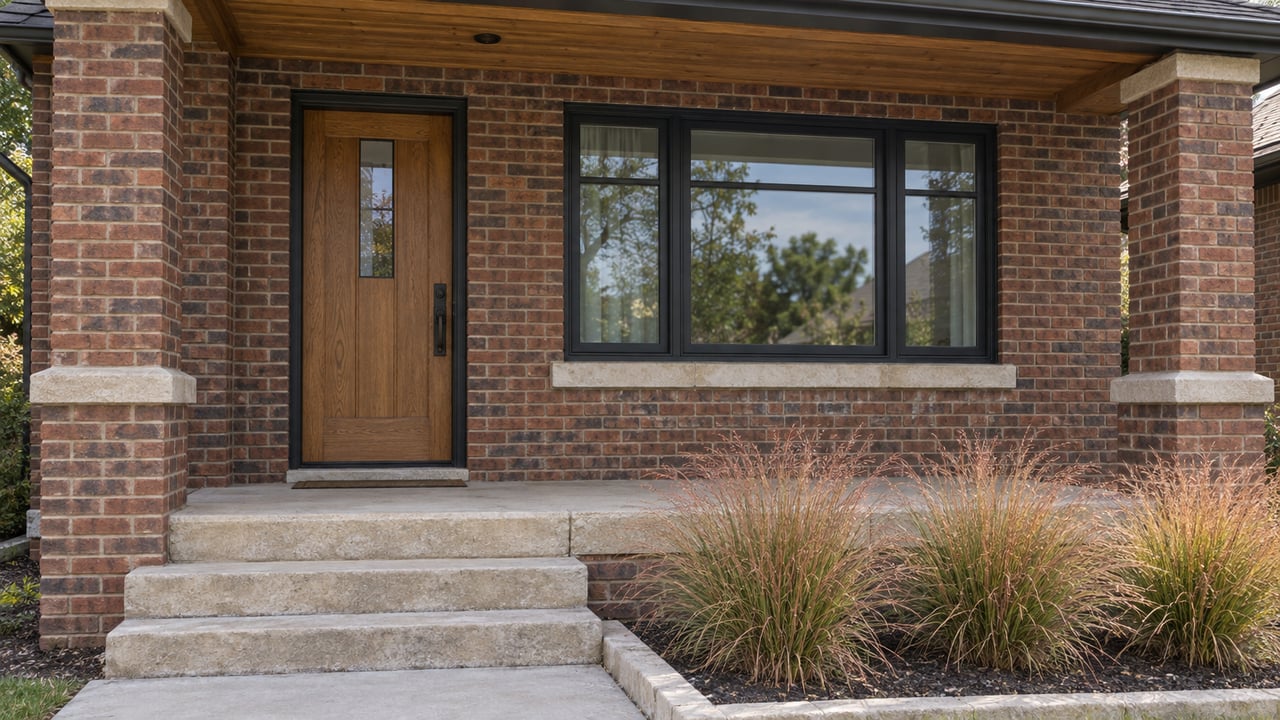
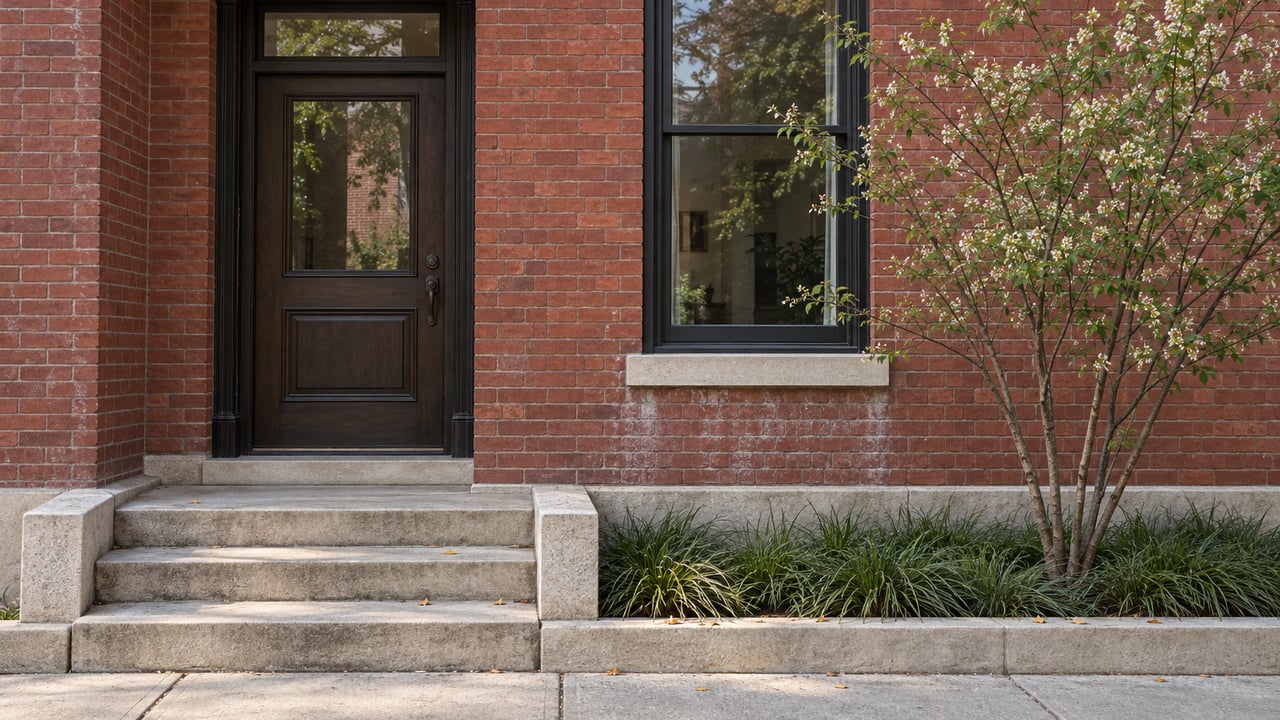
A Chicago vintage walk-up is usually an older residential building without an elevator. In many parts of the city, that means a two-, three-, or four-story brick building with one unit per floor or a small number of units on each level.
These buildings are closely connected to older Chicago housing patterns. Areas like Lincoln Park, Lake View, Hyde Park, Edgewater, and Bucktown/Wicker Park have long been associated with older apartment stock, and many of those buildings were later converted from rentals into condos.
Why buyers love the vintage feel
The appeal usually starts with the layout. Many vintage Chicago homes have a front living room, a separate dining room, a kitchen toward the back, and bedrooms tucked off to the side.
If you prefer rooms with clear purpose, this can feel more livable than an open-concept newer condo. You may find it easier to work from home, host dinner, or simply create some separation between daily routines.
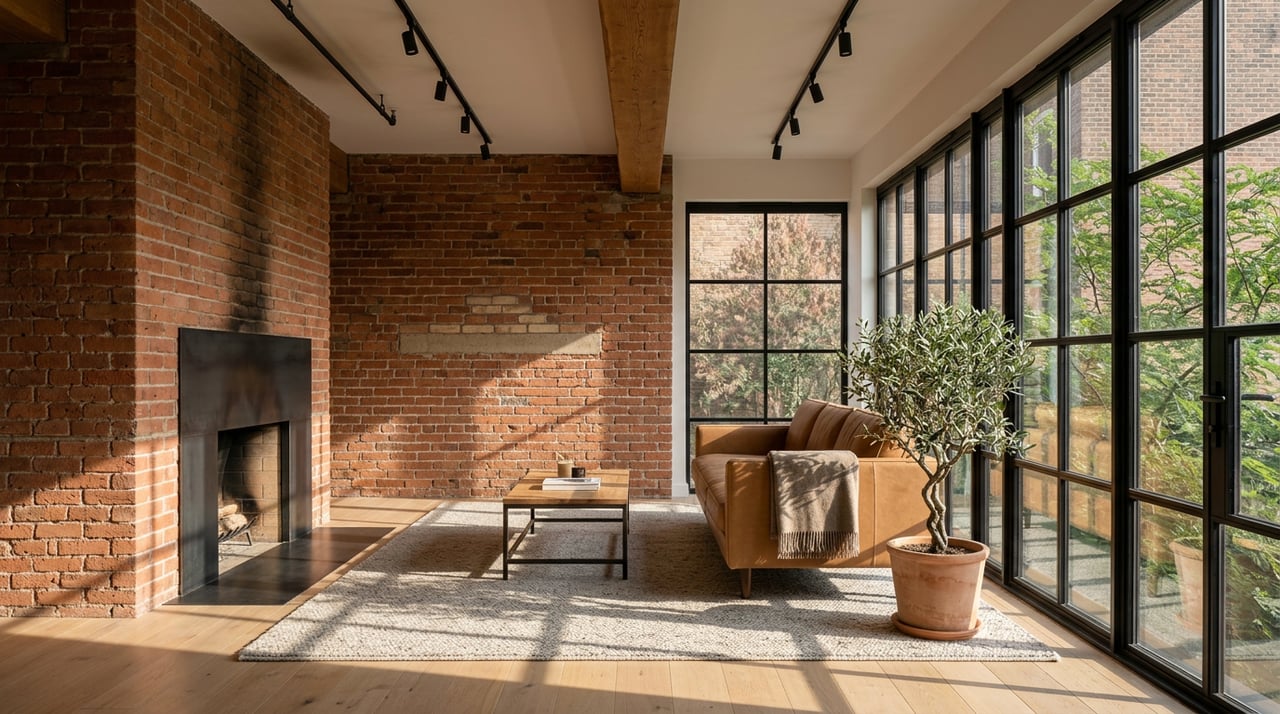
Another big draw is the architectural detail. Vintage units in Chicago often include hardwood floors, built-ins, decorative moldings, bay windows, fireplaces, stained glass, and substantial woodwork.
Those details can make a home feel layered and personal in a way that newer construction sometimes does not. From a design perspective, you often get better wall space, more visual texture, and a stronger sense of character.
What day-to-day life feels like
Living in a vintage walk-up often feels more intimate than living in a large high-rise. With fewer units and shared hallways, you are more likely to see your neighbors regularly and get a sense of the building’s rhythm.
That smaller-scale setting is part of the appeal for many Chicago buyers. Instead of a long list of building amenities, the lifestyle is often centered on the home itself and the surrounding neighborhood.
Natural light may also surprise you. Chicago’s classic vintage apartment and courtyard building stock was designed with ventilation, privacy, and usable open space in mind, so these homes do not necessarily feel dark or cramped.
The stairs are real
The most obvious trade-off is right in the name. A walk-up has no elevator, which means you will be taking the stairs every day.
That can shape everything from grocery runs to move-in day. If you are on an upper floor, carrying strollers, luggage, furniture, or weekly shopping will take more effort than it would in a newer elevator building.
Accessibility is another practical consideration. Older vintage buildings may present challenges for anyone who needs step-free access, and that is important to think through before you fall in love with a top-floor unit.
Older building trade-offs beyond stairs
The charm of a vintage walk-up is real, but so is the maintenance reality. In many of these homes, kitchens, bathrooms, storage, and finishes may show their age more clearly than the main living spaces.
You may also find fewer of the features that buyers associate with newer condo buildings. Parking, elevators, and a long amenity list are often not part of the package.
That does not make a vintage walk-up a lesser option. It simply means the value proposition is different. You are often choosing character, room separation, and neighborhood feel over newer systems and convenience features.
Why neighborhood setting matters
Part of the appeal of a Chicago vintage walk-up is that it is rarely just about the unit. These homes are often found in architecture-rich, older parts of the city where the street life, block pattern, and historic housing stock shape the daily experience.
In areas such as Lincoln Park, Lake View, and Bucktown/Wicker Park, the building style fits naturally into the neighborhood fabric. Buyers who love these homes are often drawn to that older-city rhythm as much as the interior details.
That is one reason vintage walk-ups continue to stand out in Chicago. The home and the surrounding environment tend to work together to create a lifestyle that feels distinctly local.
What ownership usually looks like
Many Chicago vintage walk-ups on the market today are condos or condo conversions. That means when you buy, you are typically buying your individual unit and joining a condominium association that manages the common elements of the property.
Under Illinois law, the unit owners’ association handles the overall administration of the property through its board of managers. In practical terms, that means building decisions do not happen in a vacuum. Shared maintenance, budgeting, and long-term planning matter.
This is especially important in older buildings. Even when a vintage walk-up looks beautiful, the health of the association can strongly affect your day-to-day costs and long-term ownership experience.
How assessments and reserves affect you
Illinois law requires unit owners to pay their share of common expenses. The board is also required to prepare and distribute a detailed annual budget, and budgets adopted on or after July 1, 1990 must provide for reasonable reserves for capital expenditures and deferred maintenance tied to common elements.
For you as a buyer, that makes monthly assessments more than just another line item. They help support the ongoing care of the building, and in a vintage property, that can be a major part of preserving both function and character.
If an owner does not pay common expenses or fines, the association can place a lien on the unit interest and enforce that lien through foreclosure procedures. Illinois law also makes clear that real estate taxes and special assessments are levied at the unit level, not across the condominium property as a whole.
Why resale documents matter so much
When you buy a resale condo in a Chicago vintage walk-up, the disclosure package deserves close attention. Illinois law requires access to key documents, including the declaration, bylaws, rules, unpaid assessments and liens, anticipated capital expenditures over the next two fiscal years, and the status and amount of any reserve-for-replacement fund.
That information can tell you a lot about how the building is run. A beautiful unit can still come with financial or maintenance concerns if the association is underfunded or facing major upcoming work.
This is one of the biggest differences between admiring a vintage condo and buying one wisely. You are not only evaluating the finishes inside the unit. You are also evaluating the financial planning behind the building.
Who a vintage walk-up fits best
A Chicago vintage walk-up tends to fit buyers who care deeply about character, walkability, and a smaller-scale building feel. If you love room separation, original detail, and the texture of older architecture, these homes can be incredibly rewarding.
They are often a strong match for buyers who are comfortable with trade-offs. That includes stairs, older systems, fewer modern amenities, and the need to review association finances carefully.
From a design standpoint, these homes also appeal to people who want a space with personality. If you notice millwork, window shape, natural light, and how a floor plan supports real living, you may feel at home in this category quickly.
How to evaluate one with confidence
Before you buy a vintage walk-up, it helps to look at the home in two layers: the unit itself and the building behind it. Both matter.
Here are a few practical things to pay attention to:
- How the stairs fit your daily routine
- Whether the room layout matches how you actually live
- The condition and style of kitchens, baths, and storage
- The monthly assessments and what they cover
- The association budget and reserve funding
- Any anticipated capital projects in the next two fiscal years
- The general upkeep of common areas and exterior spaces
This kind of home is often more about fit than flash. When the building is well run and the layout supports your lifestyle, a vintage walk-up can offer a living experience that feels distinctly Chicago.
The bottom line on vintage walk-ups
Living in a Chicago vintage walk-up can feel charming, grounded, and full of character. You may get beautiful original details, a more flexible room-by-room layout, and a stronger connection to the neighborhood around you.
At the same time, the trade-offs are part of the package. Stairs, older systems, and association finances all deserve real attention.
If you know what you value, these homes can be a wonderful fit. And if you want help evaluating whether a vintage condo truly works for your lifestyle and long-term goals, Clare Spartz can help you navigate the details with a design-aware, practical eye.
FAQs
What is a vintage walk-up in Chicago?
- A vintage walk-up in Chicago is typically an older two-, three-, or four-story residential building without an elevator, often with a small number of units and classic architectural details.
What are the benefits of living in a Chicago vintage walk-up?
- Many buyers like vintage walk-ups for their hardwood floors, moldings, built-ins, bay windows, fireplaces, room-by-room layouts, natural light, and smaller-scale building feel.
What are the drawbacks of a Chicago vintage walk-up?
- The main drawbacks are daily stair use, potential accessibility challenges, older kitchens or baths, less storage, fewer modern amenities, and the need to review building maintenance carefully.
Are most Chicago vintage walk-ups condos?
- Many vintage walk-ups that buyers see today are condos or condo conversions, which means owners are usually part of a condominium association that manages shared building elements.
Why do condo association finances matter in a vintage Chicago building?
- Association finances matter because owners share common expenses, buildings need ongoing maintenance, and reserve funding can affect how well the property is prepared for repairs and capital projects.
What documents should you review before buying a Chicago vintage walk-up condo?
- On resale, buyers should review documents such as the declaration, bylaws, rules, unpaid assessments and liens, anticipated capital expenditures over the next two fiscal years, and the reserve-for-replacement fund information.
Which Chicago neighborhoods are known for vintage walk-ups?
- Chicago neighborhoods commonly associated with vintage walk-ups and older housing stock include Lincoln Park, Lake View, Hyde Park, Edgewater, and Bucktown/Wicker Park.