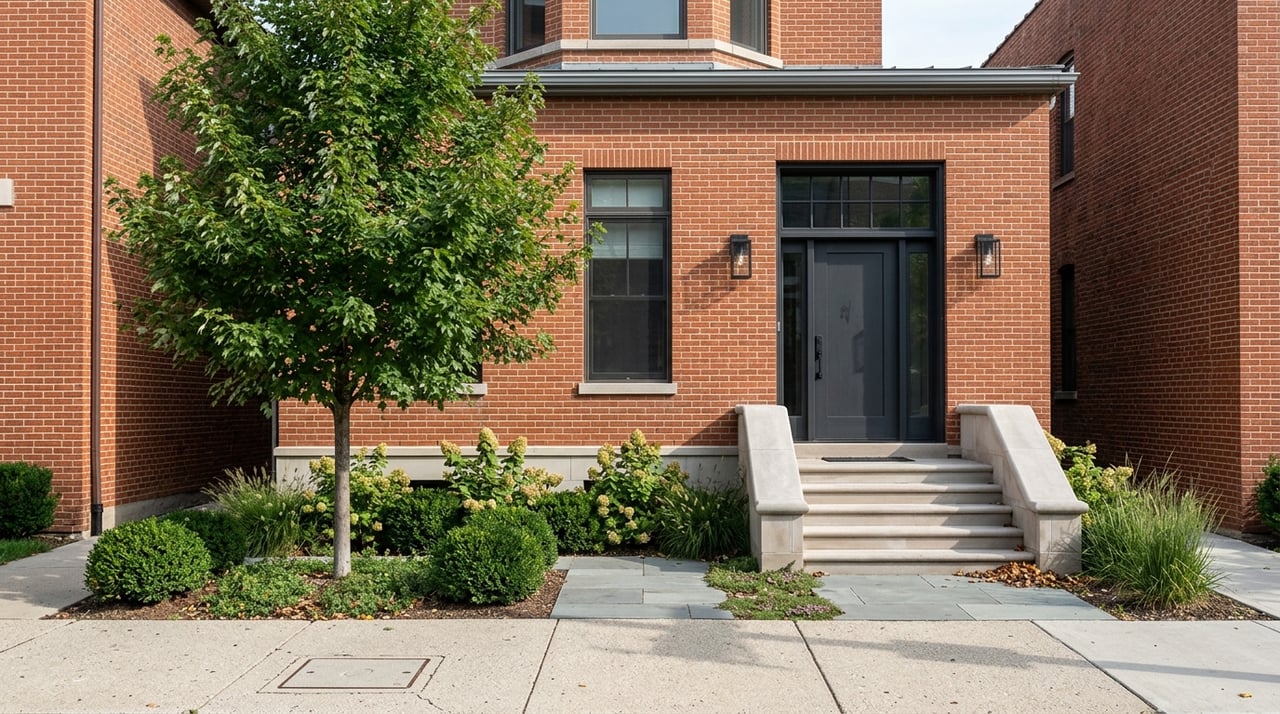
If you are house hunting on Chicago’s North Side, you are not just choosing a home. You are choosing a daily rhythm, a streetscape, and a version of city living that fits how you want to move through your week. From lakefront park access to quieter residential blocks to architecture with real personality, these neighborhoods each offer something distinct. Let’s look at Lincoln Park, Lakeview, North Center, and Wicker Park through a home lens.
Why the home lens matters
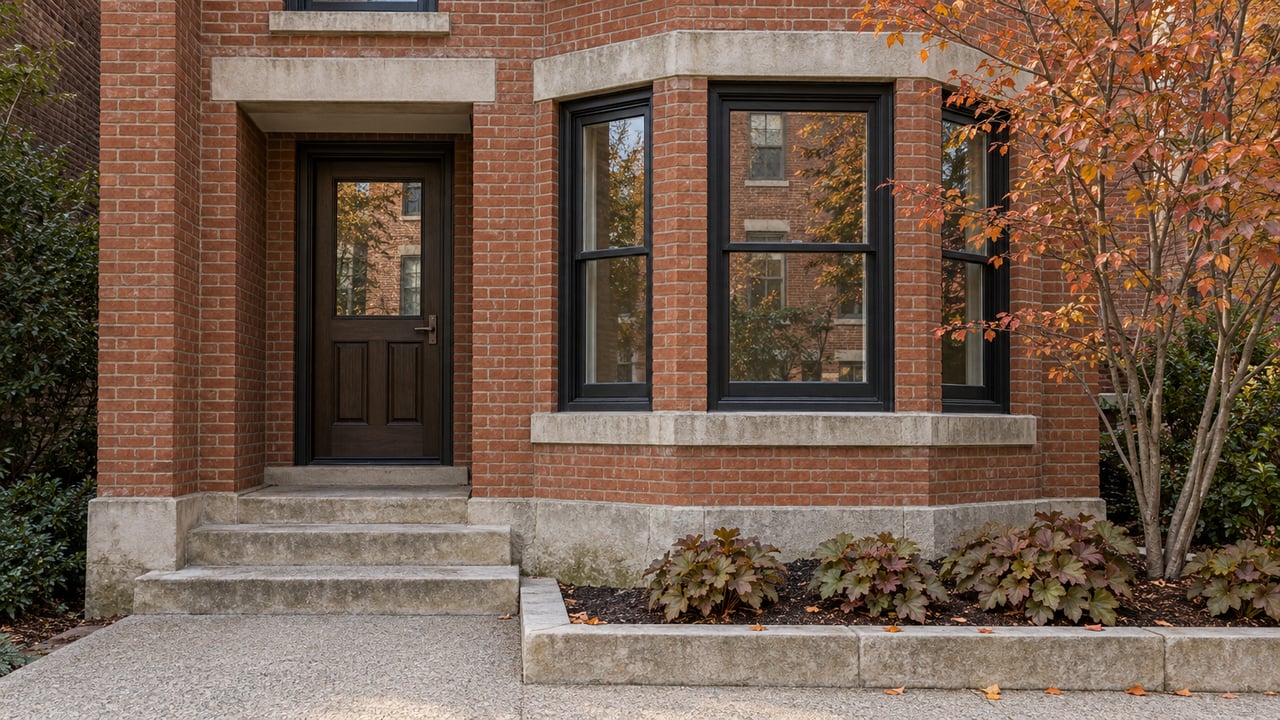
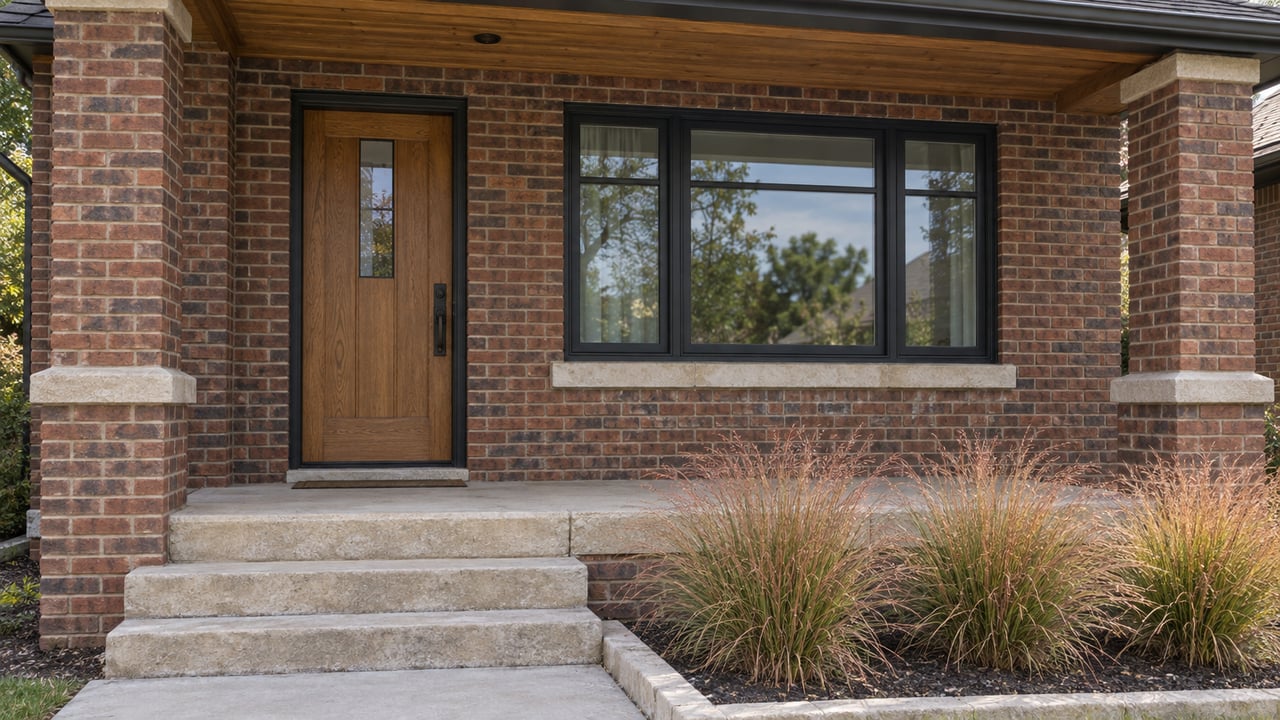
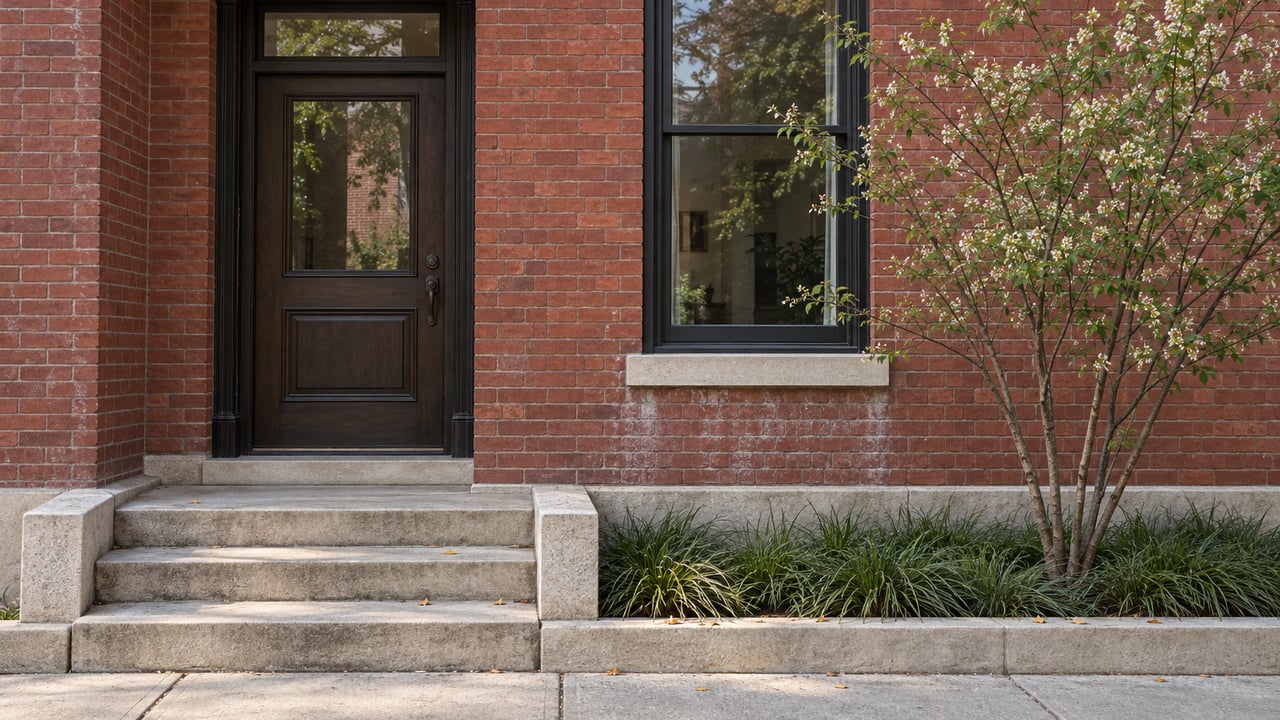
In Chicago, the feel of a neighborhood often starts with the buildings. Two-flats, three-flats, greystones, courtyard apartments, rowhouses, bungalows, six-flats, and condo conversions all help shape how a block looks and lives. These middle-density housing types are a big part of the city’s residential identity, especially in older neighborhoods where architecture and daily life are closely connected.
On the North Side, that housing story often comes with another major advantage: access to parks and transit. Lincoln Park and Lakeview in particular are known for older housing stock, proximity to Lake Michigan and lakefront parks, and relatively easy trips to the Loop by mass transit. That combination helps explain why these neighborhoods feel active, walkable, and rooted in their surroundings.
Lincoln Park feels park-first
Lincoln Park is the clearest example of a neighborhood shaped by major public green space. The Chicago Park District identifies Lincoln Park as its largest park, stretching along the lakefront from Ohio Street to Hollywood Avenue. It includes well-known public spaces such as the zoo, conservatory, Alfred Caldwell Lily Pool, and North Avenue Beach.
From a homebuyer’s point of view, that means the neighborhood connects residential streets to civic-scale amenities in a very direct way. Vintage flats, rowhomes, and condo buildings sit near some of the city’s most recognizable parkland. If you want your day-to-day life to include walks, lakefront access, and a strong sense of place, Lincoln Park stands out.
Transit also plays a big role in the neighborhood’s appeal. Lincoln Park is served by the Brown, Red, and Purple lines, along with several bus routes. That helps support a dense, walkable, and relatively car-light lifestyle.
What the housing stock feels like
Lincoln Park is best understood as an older, transit-rich neighborhood with a strong mix of apartments and condos. The built environment feels established and layered rather than newly planned. For many buyers, that translates to blocks with visual interest, mature streetscapes, and housing choices that range from vintage units to rowhome-style living.
Who may connect with Lincoln Park
Lincoln Park often fits buyers who want their home base to feel tied to the lakefront and major park amenities. If you picture yourself stepping out for a walk, heading toward open green space, and still staying well connected to the rest of the city, this neighborhood offers that combination.
Lakeview offers the most layers
Lakeview feels broad, varied, and full of smaller pockets with different personalities. Historically, it grew from a former township that was annexed in 1889, and today it includes areas such as East Lakeview, Southport Corridor, Northalsted, and Wrigleyville. That range gives Lakeview a more stitched-together feel, almost like several neighborhood experiences in one.
The setting also shapes everyday life here. Lakeview combines shoreline access, walkability, and a strong entertainment mix. It is served by the Brown, Red, and Purple lines, which adds to its convenience and supports a lifestyle that can be both neighborhood-based and highly connected.
What the housing stock feels like
Lakeview’s housing story reflects multiple eras of development. As the area urbanized, apartment buildings became part of the neighborhood fabric, and later decades added high-rise apartments and four-plus-one buildings. You also see preserved brick rowhouses and three- and four-story apartment buildings in certain settings, which adds to the neighborhood’s layered visual character.
For buyers, that means Lakeview can offer a wider variety of living environments within one larger area. Some blocks feel more shoreline-oriented, some feel more residential, and others connect closely to commercial or entertainment corridors. It is a useful neighborhood to explore if you want options without leaving the North Side.
Who may connect with Lakeview
Lakeview often appeals to buyers who want a little of everything. If your ideal routine includes lake access, neighborhood business districts, transit convenience, and several distinct subareas to explore, Lakeview delivers that broader mix.
North Center feels quieter and local
North Center has a more modest, lived-in feel than some of its neighboring areas. Its history is tied to industrial activity along the North Branch of the river, with factories, brickyards, and working residents helping shape the neighborhood. That background gave North Center a more understated residential tone, with modest homes and small businesses.
Today, the neighborhood still reads as local rather than heavily destination-driven. Choose Chicago describes it as old-school Chicago, and that description fits the overall mood well. You get urban density, but in a way that often feels calmer and more neighborhood-scaled.
What the housing stock feels like
North Center’s residential fabric is best described as modest and quieter in tone. Rather than dramatic architectural variety or highly touristed commercial energy, the neighborhood offers a steadier, more everyday feel. That can be especially attractive if you want a North Side location that still feels connected but less intense.
Parks and transit shape the lifestyle
Horner Park is a major part of North Center’s identity. The Chicago Park District says it spans 57.97 acres, making it one of the largest parks on the North Side. It includes sports fields and courts, picnic groves, a playground, a nature area, a mini soccer pitch, and an oak savannah.
Transit access also supports the neighborhood’s practical appeal. North Center sits along several bus lines and includes three Brown Line stops: Addison, Irving Park, and Montrose. That combination of substantial green space and Brown Line service helps balance residential calm with city convenience.
Who may connect with North Center
North Center may be a strong fit if you want a more relaxed North Side rhythm. If your version of neighborhood life includes local business corridors, easy park access, and a quieter residential setting, this area deserves a close look.
Wicker Park feels eclectic and adaptive
Wicker Park has the most visibly mixed building stock of the four neighborhoods in this group. Its history includes wealthy German and Scandinavian residents after the Fire of 1871, followed by working-class households and later periods of reinvestment. That evolution still shows up clearly in the architecture today.
The neighborhood includes everything from workers’ cottages to grand Victorian mansions. Architectural styles documented in the area include Italianate, Queen Anne, Romanesque, and Tudor Revival. If you are drawn to streets where one block can feel visually different from the next, Wicker Park makes a strong impression.
What the housing stock feels like
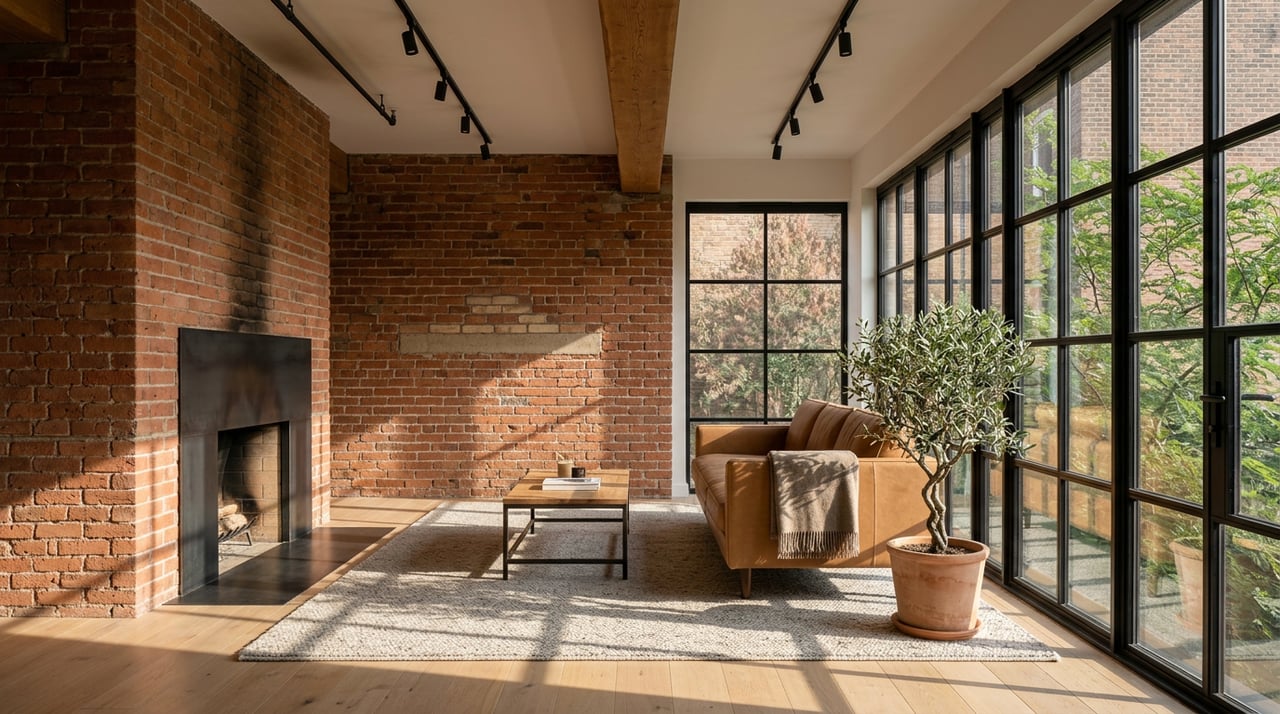
Wicker Park’s housing story is one of change and reuse. Many large homes were divided into multifamily units and rooming houses after World War II, and later some were restored as single-family homes during the neighborhood’s revival in the 1980s. Today, buyers will often see a collage of restored houses, older multi-units, condo conversions, and newer infill near commercial streets.
That variety gives Wicker Park a different energy from the more lakefront-oriented North Side neighborhoods. It feels more visibly eclectic and more shaped by adaptive reuse. For buyers who care about architectural character and an urban setting with strong visual texture, that can be a major draw.
Parks, trail access, and transit
Wicker Park is anchored by both local green space and strong transit access. The namesake park is 4.74 acres and includes a fieldhouse, playground, water spray feature, gardens, fountain, dog-friendly area, and athletic amenities. The neighborhood also connects to The 606, which adds another layer to how people move through and enjoy the area.
The Blue Line is a key part of daily life here, and it runs 24 hours between O’Hare and Forest Park via downtown. Access to the 606 is especially convenient from the Damen or Western stops, with Damen located at the busy North, Milwaukee, and Damen hub. That helps explain why Wicker Park can feel highly active while still offering pockets of historic residential charm.
Who may connect with Wicker Park
Wicker Park often fits buyers who want a more eclectic, urban, and design-forward setting. If you enjoy historic homes, mixed building types, active commercial corridors, and a neighborhood that wears its evolution openly, this area may feel especially compelling.
How to compare these neighborhoods
The best way to compare these areas is not to ask which one is best overall. A better question is which one fits your preferred daily rhythm. Each neighborhood offers a different balance of housing character, green space, and transit access.
Here is a simple way to think about them:
- Lincoln Park: park-first, lakefront-oriented, and highly walkable
- Lakeview: layered, shoreline-connected, and broad in character
- North Center: local, quieter, and residential in tone
- Wicker Park: eclectic, adaptive, and architecturally varied
If you are early in your search, try touring them with that lens in mind. Pay attention to the blocks, the scale of the buildings, how close transit feels, and what kind of public space seems to shape the area. In Chicago, those details often tell you as much as the listing itself.
If you want help matching your home search to the right neighborhood feel, Clare Spartz brings a design-forward, highly local perspective to North Side Chicago and can help you narrow in on the streets, housing styles, and daily lifestyle that fit you best.
FAQs
What makes Lincoln Park stand out for Chicago homebuyers?
- Lincoln Park stands out for its direct connection to major lakefront parkland, vintage housing stock, and access to the Brown, Red, and Purple lines.
What should you know about Lakeview housing options?
- Lakeview includes housing from multiple development eras, including older apartment buildings, high-rises, four-plus-ones, rowhouses, and multi-story apartment buildings across several distinct subareas.
Why do buyers consider North Center in Chicago?
- Buyers often consider North Center for its quieter residential feel, local business corridors, access to Horner Park, and Brown Line service at Addison, Irving Park, and Montrose.
What gives Wicker Park its architectural character?
- Wicker Park’s character comes from its wide mix of building types and styles, including workers’ cottages, Victorian mansions, restored multi-units, condo conversions, and newer infill.
How do parks and transit shape North Side Chicago neighborhoods?
- Parks and transit help define daily life by connecting homes to green space, walkability, and practical car-light travel through lines like the Brown, Red, Purple, and Blue lines.