If you are house hunting in Chicago, this question comes up fast: should you buy a new construction home or lean into the charm of a vintage one? In a city where older housing is part of the everyday streetscape, the choice is rarely simple. The good news is that each option offers real advantages, and the right fit usually comes down to how you live, what you want to maintain, and how much predictability you need. Let’s dive in.
Why this choice feels different in Chicago
Chicago is not a market where “older home” is a niche category. According to CMAP’s 2020 to 2024 ACS snapshot, the median year built for homes in Chicago is 1953, and 38.8% of housing units were built before 1940. In Cook County, the median year built is 1961, with 27.8% of housing built before 1940.
That matters because in Chicago, vintage is often the baseline. You are not just comparing old versus new. You are often comparing a newer infill home to a city full of bungalows, greystones, two-flats, and early postwar homes with established architectural character.
The Chicago Architecture Center notes that the city has more than 80,000 bungalows, which make up about one-third of Chicago’s single-family housing stock. It also reports that two- and three-flats make up about a quarter of the city’s housing, with many built between 1900 and 1920. So when you look at homes across areas like Lincoln Park, Lakeview, North Center, or West Town, you are often choosing between very different living experiences, not just different ages.
What vintage homes offer
Character and architectural identity
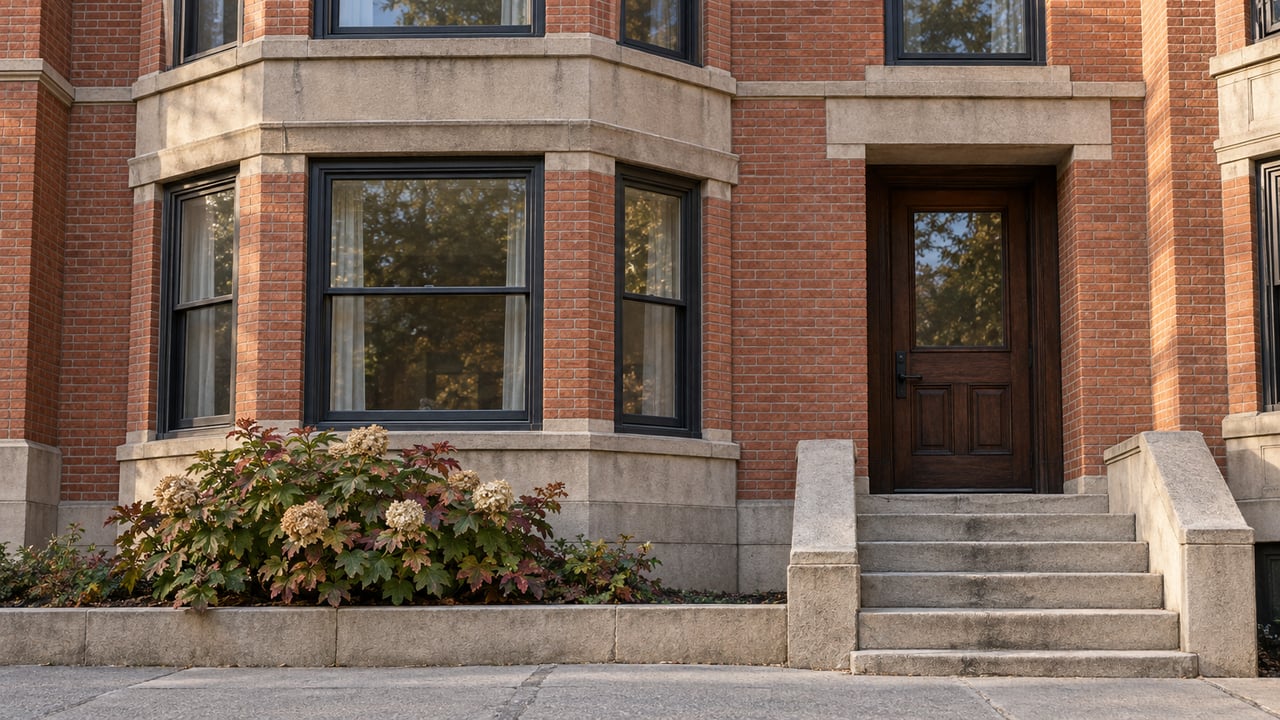
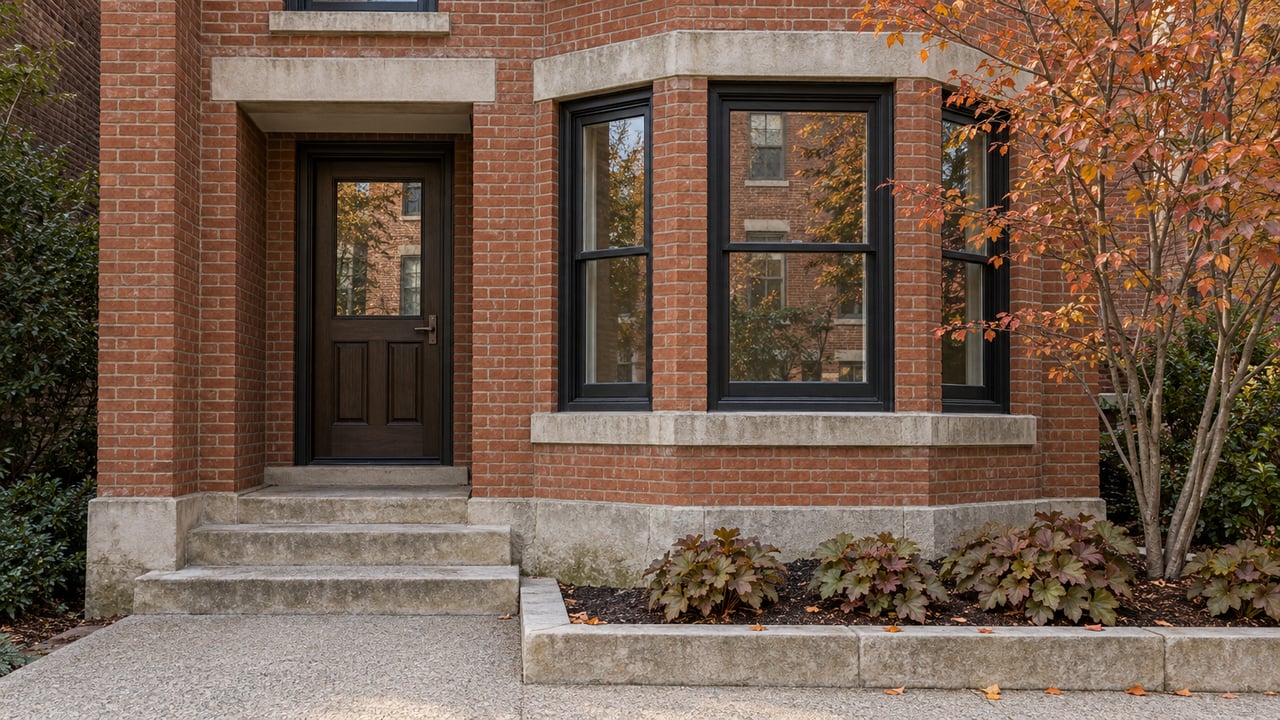
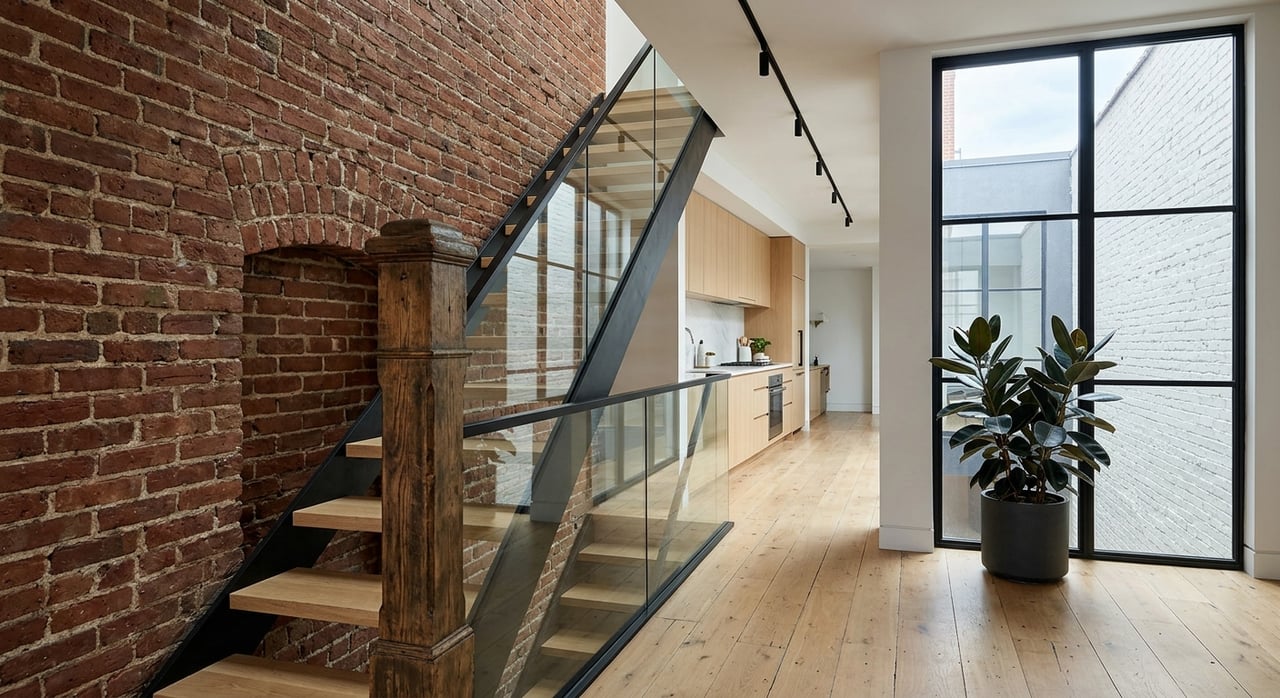
Vintage homes in Chicago often stand out because they were built with a strong sense of form and detail. Brick exteriors, bay windows, ornate cornices, front porches, and defined room layouts are all part of the appeal. These homes tend to feel rooted in the city’s history in a way that newer homes often cannot fully replicate.
For many buyers, that character is not a small bonus. It is the reason they keep coming back to bungalows, greystones, and classic flats. If you care about original materials, masonry details, and a home that feels distinctly Chicago, vintage homes can be very hard to beat.
Established layout and separation
Older Chicago homes often have more segmented floor plans. The Chicago Architecture Center describes bungalows as having open guest spaces while still separating private family areas, and many older homes were built around narrower footprints and stair halls with more traditional room divisions.
That setup can work well if you want clearer boundaries between living, working, and resting. If you work from home, host overnight guests, or simply prefer less noise travel from room to room, those more defined spaces may feel surprisingly practical.
A strong sense of place
Vintage homes are often woven into established blocks with a consistent streetscape and long-standing architectural rhythm. Buyers who are drawn to mature city fabric often value how these homes sit within the broader visual identity of a neighborhood.
In Chicago, that sense of place can be a real asset. It gives your home a distinct personality from day one, which is part of why design-minded buyers often see vintage property as more than just shelter.
What new construction offers
More modern everyday function
New construction in Chicago usually reflects current lifestyle preferences. You are more likely to see open or semi-open layouts, larger kitchens connected to main living areas, and built-in conveniences like better storage and dedicated laundry rooms.
That last point matters more than many buyers expect. The NAHB reports that 86% of buyers rate a laundry room as desirable or essential. Features like that may not sound dramatic, but they often shape how easy a home feels to live in every day.
Fewer near-term repair surprises
One of the biggest draws of new construction is the chance to avoid immediate system upgrades. In an older home, the visual charm may be obvious, but the condition of plumbing, electrical, insulation, and heating systems often needs close review. In a new home, those major components are usually newer by default.
That does not mean a new home is maintenance-free. It simply means your first few years of ownership may feel more predictable if the home was built and finished well.
A more streamlined move-in path
If your timeline is tight, new construction can be appealing because the home may require fewer changes before move-in. Buyers who do not want to plan around early repairs, future system updates, or extensive remodeling often prefer the cleaner handoff that a new home can provide.
That can be especially helpful if you are relocating, balancing a busy family schedule, or trying to avoid the uncertainty that can come with older homes.
Layout matters more than trends
Open concept is not always better
It is easy to assume that newer means better because of open-concept living. But the conversation is no longer that simple. NAR reports that while many buyers still like openness, privacy, remote work, noise control, and energy efficiency are pushing many people back toward more defined rooms or semi-open plans.
That shift is worth keeping in mind as you tour homes in Chicago. A vintage floor plan may feel less trendy at first glance, but it can actually support your day-to-day life better if you want quiet, separation, or flexible work zones.
Think about how you actually live
Before you decide, picture a normal weekday. Do you want sightlines from the kitchen to the living room, or would you rather have separate spaces where different activities can happen at once? Do you love the idea of one large entertaining area, or do you prefer rooms with clearer purpose?
The right answer is personal. In many Chicago homes, especially renovated vintage ones, you may also find a middle ground with semi-open layouts that blend character with better flow.
Maintenance is often the real deciding factor
Vintage homes need a systems mindset
The long-term difference between vintage and new construction is often less about style and more about systems. The Chicago Bungalow Association advises owners of older homes to assess the age and efficiency of heating, plumbing, and electrical systems. It notes that systems older than 10 years may merit replacement, and that many older homes still have 100-amp or smaller electrical service.
It also highlights a major Chicago issue: older homes may still have lead water service lines that can be too small for added fixtures and may create lead exposure concerns. For many buyers, that means owning a vintage home requires budgeting not just for one major project, but for a series of updates over time.
Lead and older materials deserve attention
Lead is an especially important issue in Chicago’s older housing stock. Lead-Safe Chicago says homes or two-flats built before 1986 have a high likelihood of a lead service line unless it was replaced. EPA guidance also states that most homes built before 1978 must disclose known lead-based paint hazards before sale, and buyers are given a 10-day period for a lead inspection or risk assessment.
EPA further notes that 87% of homes built before 1940 contain some lead-based paint. That does not automatically make a vintage home the wrong choice, but it does mean due diligence matters.
New homes still need realistic expectations
A new home can reduce near-term maintenance, but it is not a free pass. The FTC says new-home warranties are typically limited. Workmanship and materials often have about one year of coverage, HVAC, plumbing, and electrical systems often about two years, and major structural defects may be covered for up to 10 years, depending on the builder.
Warranties also often exclude certain items and costs. So if you are buying new construction, review the warranty packet carefully and make sure you understand what is covered, for how long, and what is not.
What to inspect in a vintage Chicago home
Look beyond a standard inspection
If you are buying a vintage home in Chicago, you should think beyond a basic home inspection. Older homes may need added attention for roof and gutter drainage, foundation and masonry condition, basement moisture, plumbing condition, sewer laterals, electrical service, insulation, and air sealing.
The Chicago Bungalow Association also flags knob-and-tube wiring as an issue that can affect insurability. Depending on the property, these details can influence both your near-term budget and your long-term comfort.
Radon and lead should stay on your checklist
Illinois agencies recommend radon testing because the only way to know the level is to test the air. The Illinois Department of Public Health notes that radon can enter through cracks, crawlspaces, basement drains, and foundation openings.
For older homes, lead questions should also be part of your review. In Chicago, that means asking about lead-based paint disclosures where applicable and checking whether a lead service line has been replaced.
What to verify in a new construction home
Permits and sign-offs matter
With new construction, your checklist shifts from diagnosing age-related wear to verifying that the project was completed properly. The City of Chicago says plan-based building permit applications for new construction or renovation require plans prepared by an architect or engineer. The city also notes that Department of Buildings inspections are handled on a first-come, first-served basis unless a specific appointment is scheduled.
As a buyer, ask for the permit number, final sign-offs, warranty documents, and any occupancy documentation that applies to the home. These records help confirm the paper trail behind the finished product.
Do not skip the walkthrough
Even if a home is brand new, you still want a careful final walkthrough and a third-party inspection. City records are useful, but the City of Chicago also says it does not guarantee the completeness or accuracy of those records.
In other words, paperwork should support your decision, not replace your own eyes and inspection process. Small finish issues, incomplete punch-list items, or installation problems are easier to address before closing than after.
Radon still belongs on the list
Illinois requires passive radon-reduction techniques in new-home construction. That is helpful, but it does not remove the need for post-closing radon testing.
If you are buying new, think of radon testing as a simple step that confirms how the home performs in real conditions once you are living in it.
How to decide between new and vintage
Choose vintage if you value character
A vintage Chicago home may be the better fit if you care most about architectural identity, established city fabric, and a home that feels distinctly tied to Chicago’s design history. You may also prefer vintage if more defined rooms suit your work, family, or entertaining style.
Just be ready to budget for systems, maintenance, possible moisture work, energy-efficiency improvements, and lead-related due diligence.
Choose new if you value predictability
New construction may be the better fit if you want a modern layout, fewer near-term repairs, and a more straightforward move-in timeline. It can also make sense if you want clearer warranty terms and less immediate pressure to update electrical, plumbing, or heating systems.
Just remember that new does not mean flawless. Permit verification, punch-list review, occupancy documentation, and inspection still matter.
Let your priorities guide the answer
In the end, this decision is less about which type of home is “better” and more about which tradeoffs feel right for you. If you are design-driven, you may lean vintage. If you are timeline-driven, you may lean new.
In a market like Chicago, both paths can make sense. The smartest move is to choose the home that fits your daily life, your maintenance tolerance, and your budget for what comes next.
If you want help weighing Chicago’s vintage charm against the convenience of new construction, Clare Spartz can help you compare options with a practical, design-aware eye and guide you through the details that matter most.
FAQs
What is considered a vintage home in Chicago?
- In Chicago, vintage usually refers to prewar or early postwar homes such as bungalows, greystones, two-flats, and older brick homes with original architectural character.
Are vintage homes in Chicago always more expensive to maintain?
- They usually carry more maintenance exposure because older systems, plumbing, electrical service, insulation, and moisture issues may need attention over time.
Do new construction homes in Chicago still need inspections?
- Yes. New homes should still have a final walkthrough, a third-party inspection, permit verification, final sign-offs, and review of any occupancy documentation.
Is open-concept living better than a traditional floor plan in Chicago homes?
- Not always. Many buyers still like open layouts, but others prefer more defined rooms for privacy, remote work, and noise control.
What lead issues should buyers check in older Chicago homes?
- Buyers should review lead-based paint disclosures where applicable and ask whether the home has a lead water service line, especially if the property was built before 1986.
Should buyers test for radon in Chicago homes?
- Yes. Illinois agencies recommend radon testing because the only way to know the radon level in a home is to test the air.