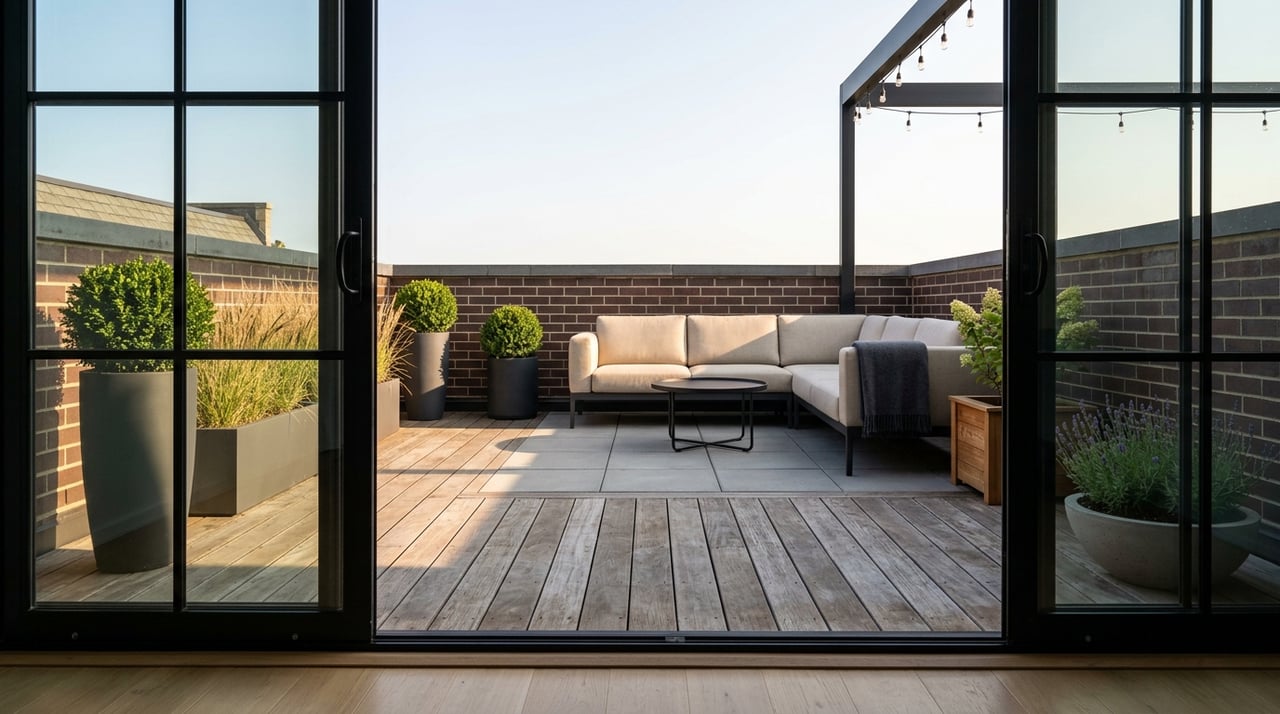
Dreaming of a Chicago home with a roof deck, terrace, balcony, or backyard space? You are not alone. In a city where outdoor space can mean anything from a private rooftop retreat to a shared courtyard, knowing what you are actually getting matters just as much as finding a beautiful listing photo. This guide will help you understand the types of outdoor space you will see in Chicago homes, what makes each one work in real life, and what to look for before you buy. Let’s dive in.
Chicago outdoor space means different things
In Chicago, the phrase outdoor space can cover a wide range of setups. A listing might be referring to a private roof deck, a balcony, a terrace, a shared rooftop, a courtyard, or a ground-level patio or yard. Those options can feel very different once you picture how you would actually use them day to day.
A private roof deck or terrace often feels like an outdoor room. You may get more separation from the street, wider views, and more room for dining or lounging. A balcony is usually smaller, but it can still be a practical extension of your living space for morning coffee, container plants, or a compact table and chairs.
Ground-level patios and backyards offer a different kind of value. They are often the most practical choice for grilling, gardening, pets, and everyday play. Shared courtyards can also add meaningful outdoor access, especially in classic Chicago courtyard buildings designed around semi-public green space.
Chicago building types shape outdoor living
The type of home you buy in Chicago has a big impact on the kind of outdoor space you are likely to get. That is why it helps to think about outdoor living and architecture together rather than treating it as a simple checkbox.
Bungalows offer yard-focused space
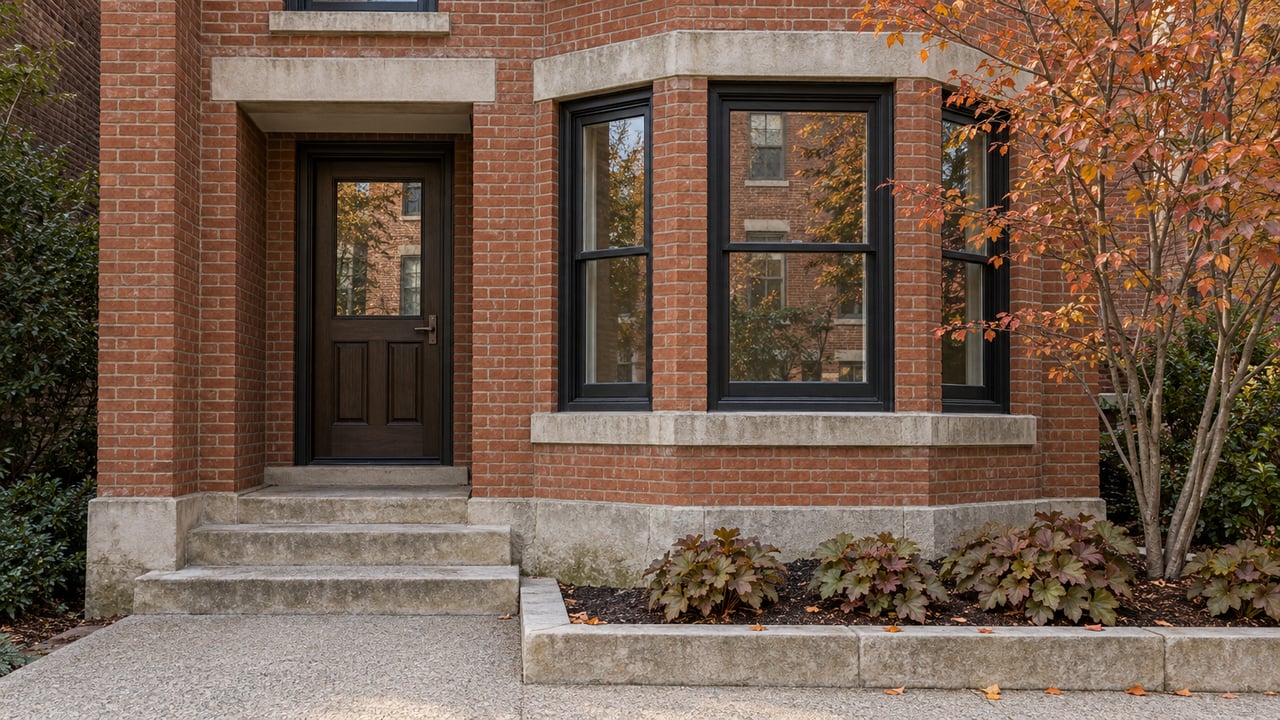
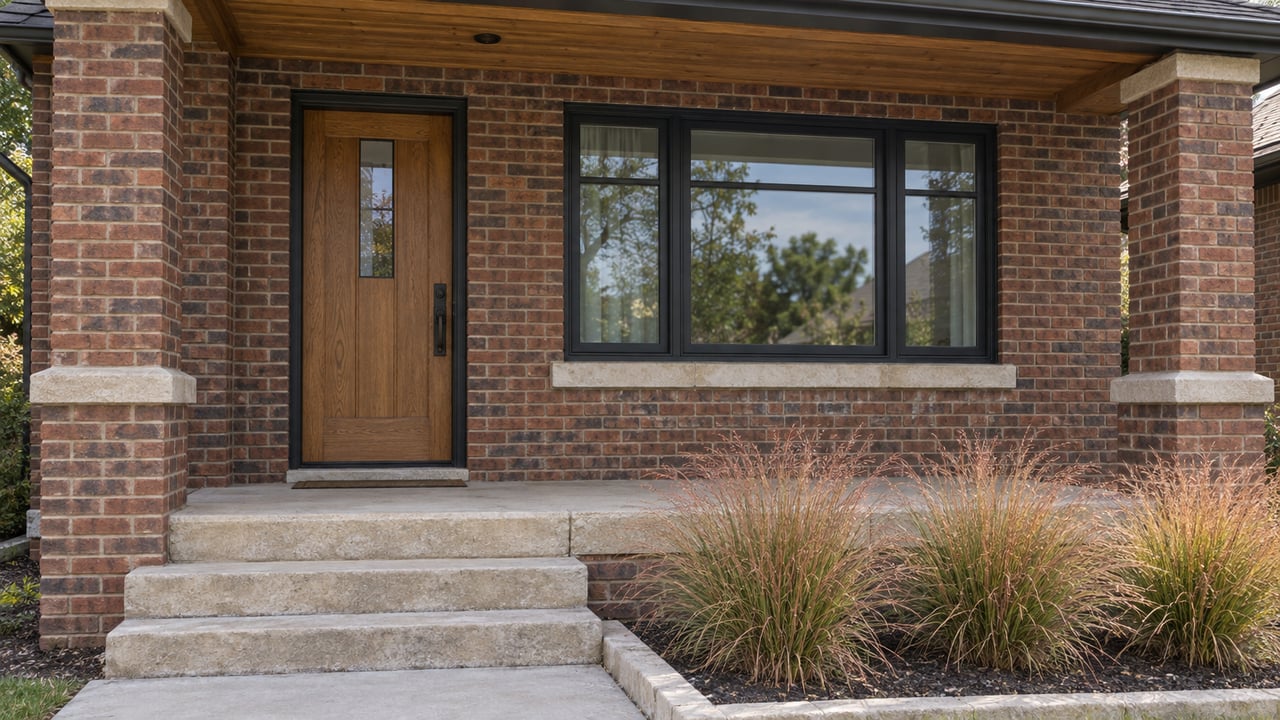
Chicago has more than 80,000 bungalows, which the Chicago Architecture Center describes as about one-third of the city’s single-family housing stock. These homes are typically associated with porches, street-level steps, and yard-oriented siting. If you want usable outdoor space for everyday life, a bungalow can be a strong fit.
This type of home is usually less about skyline views and more about practical outdoor living. You may find more room for a front porch setup, backyard dining, or a garden. For many buyers, that tradeoff feels worthwhile.
Two-flats, rowhouses, and six-flats feel compact
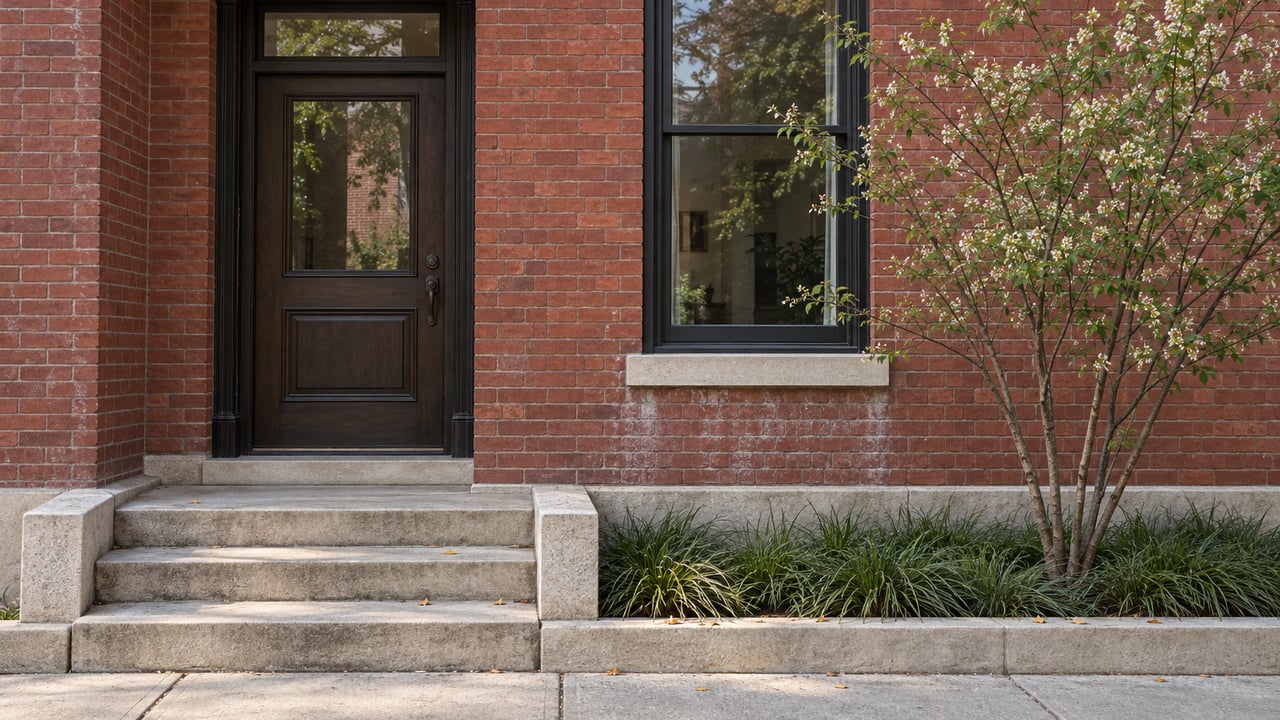
Chicago’s middle-density housing creates a more compact version of outdoor living. In two-flats, three-flats, rowhouses, and six-flats, outdoor space often shows up as rear decks, small terraces, stoops, or shared yards.
These homes can offer a great balance if you want outdoor access without taking on a full single-family lot. In many cases, the most useful outdoor area is tucked behind the building rather than featured from the street. That makes photos and floor plans especially important.
High-rises lean toward balconies and rooftops
High-rises and newer condo buildings are the settings where you are most likely to find balconies and rooftop amenities. Chicago’s Aqua tower is a well-known local example of how vertical housing can still deliver a meaningful outdoor experience through balcony design.
That said, elevated outdoor space usually comes in smaller slices. Instead of a private yard, you may have a balcony for daily use or access to a shared rooftop amenity. If your priority is private square footage outdoors, that distinction matters.
Courtyard buildings often share greenery
Older courtyard buildings are a classic part of Chicago’s housing mix. These buildings were designed around shared or semi-public garden space that brings light, air, and greenery into dense city blocks.
If you like the idea of green surroundings but do not need a fully private deck, this can be a great option to explore. The experience is different from a private terrace, but it can still add charm and daily enjoyment.
Roof decks can be a major lifestyle feature
A roof deck often gets the most attention in Chicago listings, and for good reason. When done well, it can function like an extra living room in the warmer months. You may be able to dine outdoors, entertain friends, or enjoy open views that feel removed from the city rush below.
But not every roof deck offers the same level of comfort. The best ones are designed with circulation, privacy, railings, and usability in mind. A large deck with awkward access or very little shelter may look great in photos and still feel harder to use in real life.
For buyers who care about design, roof decks can also shape the personality of a home. In the right setting, they create that polished indoor-outdoor feel that makes Chicago city living stand out.
Chicago weather changes how outdoor space works
In Chicago, outdoor space is not just about looks. It is also about how well the space handles the climate. According to NOAA’s 1991 to 2020 normals for Chicago O’Hare, the city has a January mean temperature of 25.2°F, a July mean of 75.4°F, annual precipitation of 37.86 inches, and annual snowfall of 38.4 inches.
That means your outdoor space needs to work beyond a perfect summer day. Wind, drainage, snow, and shoulder-season comfort all matter. A deck that feels exposed or poorly planned may sit unused for much of the year.
When you review a listing, think about practical comfort. Is there any shelter or shade? Does the layout leave room for real furniture? Does the space seem built to handle Chicago’s changing seasons? Those questions can be just as important as square footage.
Condo ownership details matter
If you are buying a condo, the legal status of the outdoor space matters as much as the design. In Illinois condominiums, balconies, terraces, and patios are often limited common elements. That means they are reserved for the use of one or more units rather than all owners.
This is an important distinction because use does not always mean unrestricted control. The Illinois Department of Financial and Professional Regulation handbook explains that written board approval is generally required before modifying common or limited common elements. So if you are imagining a pergola, privacy screen, or built-in feature, you will want to confirm what is allowed.
Pay close attention to ownership language in listings and documents. Terms like private, exclusive use, deeded, shared, common element, and limited common element can tell you much more than a broad phrase like outdoor space.
What to check in listing photos
Strong listing photos should help you answer a few basic questions right away. First, how big is the space really? Second, how do you get to it? Third, does it look usable in actual Chicago conditions?
For a balcony, look for enough room for furniture instead of just standing space. For a roof deck, look for clear circulation, railings, and some sense of privacy. For a patio or yard, try to confirm whether it is truly private or partly shared.
In older buildings, the rear elevation often holds the best outdoor surprise. Bungalows may highlight porches and yards, while rowhouses and two-flats may keep their best deck or terrace space out back. A good listing should make that clear instead of relying on vague wording.
Permits and records deserve a closer look
When a roof deck or outdoor area has been altered, due diligence matters. Chicago maintains public building-permit and inspection records through the Department of Buildings. The city says its permit system tracks applications that require plans prepared by an architect or engineer, and the records portal provides public access to permit and inspection information.
For you as a buyer, the practical question is simple. Does the paperwork match the space shown in the listing? If a deck appears expanded or heavily customized, it is worth confirming that the work was properly documented.
How to match the space to your lifestyle
The best outdoor space is the one that fits how you actually live. A dramatic roof deck may be perfect if you love entertaining and want elevated city views. A balcony may be enough if you mainly want fresh air and a spot for coffee or plants.
If you want easier access for pets, gardening, or grilling, a patio or backyard may serve you better. If you enjoy greenery but do not need private ownership of every square foot, a courtyard building could be worth a closer look.
This is where a local, design-aware approach can make a real difference. A home can photograph beautifully, but the right fit comes from understanding how space, building type, and daily life come together.
If you are buying or selling a Chicago home with outdoor space, thoughtful presentation and smart guidance matter. From balconies and terraces to roof decks and yards, the details shape both lifestyle and value. If you want expert help evaluating what makes a space truly marketable or truly livable, connect with Clare Spartz.
FAQs
What does outdoor space usually mean in Chicago listings?
- In Chicago listings, outdoor space can refer to a private roof deck, balcony, terrace, patio, backyard, shared rooftop, or shared courtyard.
What is a limited common element in an Illinois condo?
- In an Illinois condo, a limited common element is an area reserved for the use of one or more specific units, and balconies, terraces, and patios are often classified this way.
What should you look for in a Chicago roof deck?
- In a Chicago roof deck, you should look for practical access, railings, privacy, usable layout, and signs that the space can handle wind, drainage, and seasonal weather.
Are Chicago condo owners free to modify balconies or terraces?
- In many Illinois condominiums, written board approval is generally required before modifying common or limited common elements such as balconies, terraces, and patios.
Which Chicago homes are more likely to have yards?
- Chicago bungalows and other single-family homes are more likely to offer yard-oriented outdoor space, while high-rises more often feature balconies or shared rooftop amenities.
Why do building permits matter for Chicago outdoor space?
- Permit records can help you confirm whether a roof deck or altered outdoor area was properly documented and whether the paperwork matches the space shown in the listing.