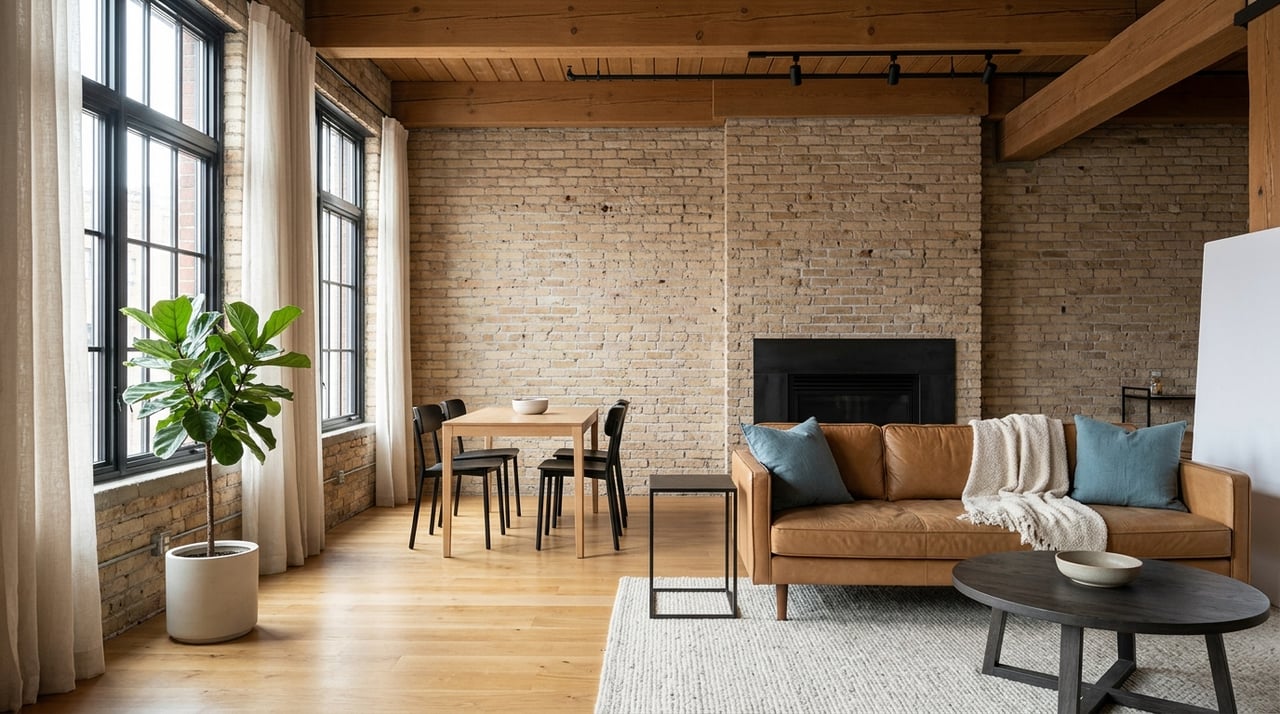
What makes a Chicago home feel unforgettable to buyers? It is rarely just square footage or finishes alone. More often, it is the way a space is presented: clean, warm, functional, and true to the character that makes Chicago housing so distinct. If you are getting ready to sell, thoughtful staging can help buyers picture how they would actually live in your home. Let’s dive in.
Why staging matters in Chicago
Chicago is a huge and varied housing market, with more than 1.28 million housing units and a broad mix of home types that includes cottages, bungalows, American four-squares, condos, two-flats, three-flats, and small apartment buildings. That variety matters because staging should not feel one-size-fits-all. A sleek condo, a brick bungalow, and a multi-level single-family home each need a slightly different approach.
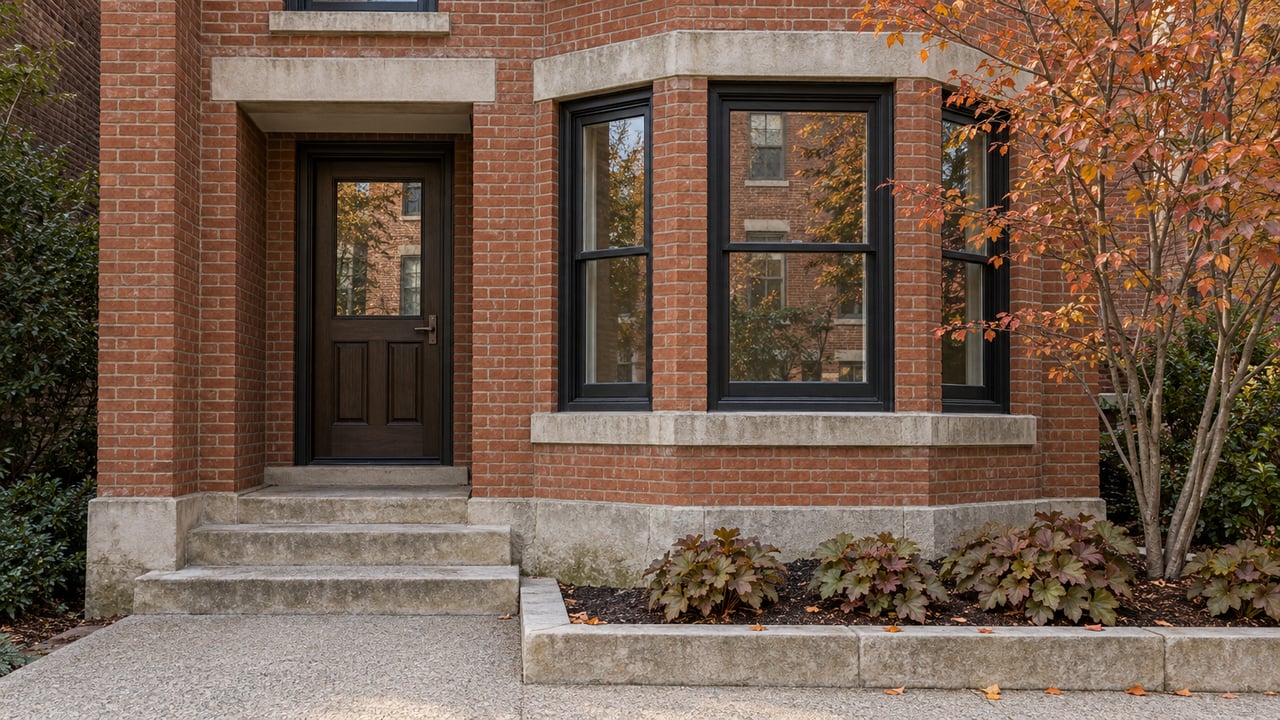
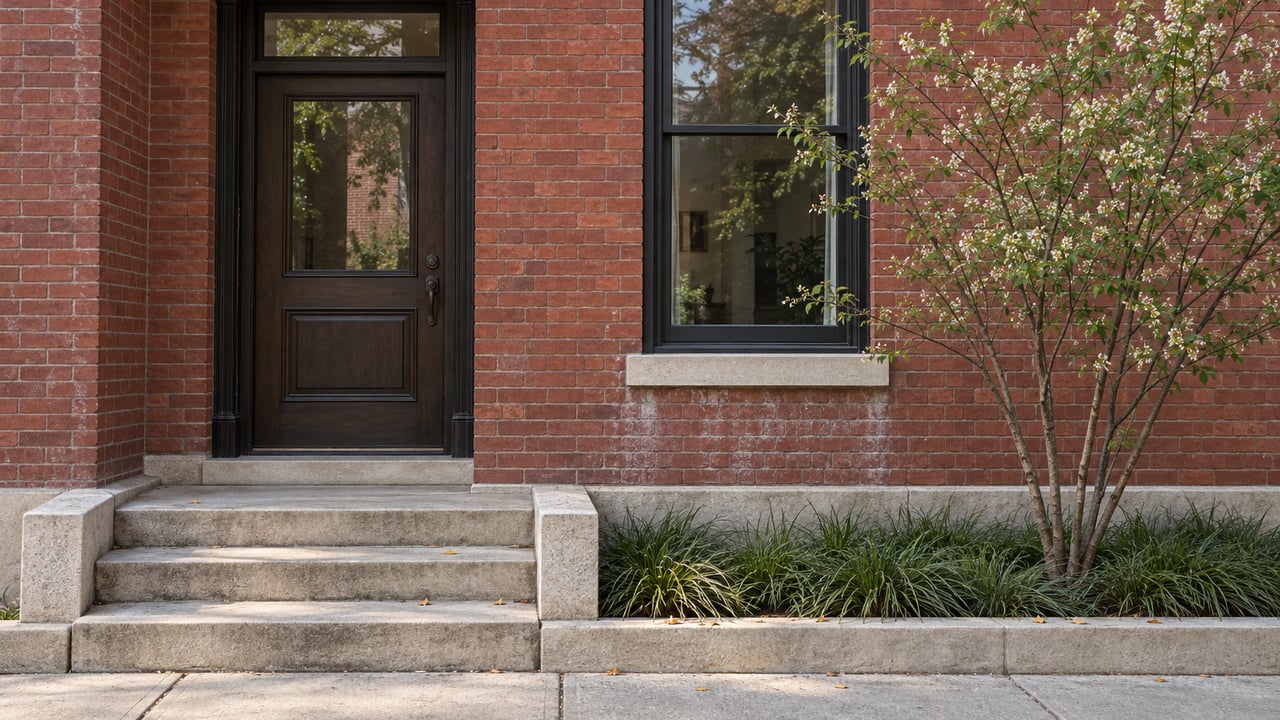
The goal is not to erase personality. In Chicago, many homes have architectural details that buyers notice right away, like brick or stone facades, bay windows, porches, arches, cornices, and original trim. Good staging helps those features stand out while making the home feel current, livable, and easy to understand.
There is also a practical reason to take staging seriously. According to the 2025 Profile of Home Staging, 83% of buyers’ agents said staging makes it easier for buyers to visualize a property as a future home. The same report found that decluttering, whole-home cleaning, and curb appeal improvements were among the most common seller prep steps.
For many sellers, staging can also support better results. In that same 2025 report, some sellers’ agents said staging increased the dollar value offered, and 30% reported a slight decrease in time on market. The median spend on a staging service was $1,500, which gives you a useful benchmark if you are weighing the investment.
Start with Chicago character
Design-led staging works best when it respects the bones of the home. In Chicago, that often means highlighting authentic materials and architectural lines instead of covering them up. If your home has original woodwork, exposed brick, a charming porch, or a dramatic bay window, those elements should be part of the visual story.
That does not mean your home needs to feel old-fashioned. It means balancing historic character with fresh styling. A restrained palette, lighter layers, and carefully chosen textures can make the space feel polished without competing with the architecture.
This is especially effective in homes where details already carry visual weight. A bungalow or four-square often benefits more from editing and softening than from adding bold decor. When buyers can clearly see both the function of the room and the beauty of the original design, the home tends to photograph better and show better.
Focus on the rooms that matter most
If you do not want to stage every room, start with the spaces buyers care about most. The 2025 NAR staging report identified the living room, primary bedroom, and kitchen as the top rooms buyers’ agents consider most important to stage. These are the spaces that should anchor your plan.
From the seller side, the most commonly staged spaces were the living room, primary bedroom, dining room, and kitchen. That tells you where effort tends to pay off. If your time or budget is limited, prioritize the spaces that shape first impressions and everyday living.
Stage the entry like a landing zone
Chicago winters make the entry work harder than it does in many other cities. Normal winter temperatures and snowfall mean buyers are used to thinking about boots, coats, umbrellas, and slushy walk-ins. A tidy, functional entry feels practical, and that practicality reads as value.
In a smaller foyer or front hall, keep the setup simple:
- A bench or small seat
- Closed storage or a neat coat solution
- A mirror to reflect light
- A clean floor area with minimal visual clutter
- One controlled accessory, like a tray or small plant
This area should feel easy to maintain. Buyers should be able to picture where everyday items go, especially during cold-weather months.
Define the living room clearly
The living room deserves special attention because it is both emotionally important and visually prominent. It is also the room most commonly staged, according to the 2025 NAR report. In listing photos and showings, this space often sets the tone for the rest of the home.
In many Chicago homes, especially condos and renovated main levels, the challenge is definition. Open layouts can feel larger, but they can also look vague if furniture placement is not intentional. Use a rug to anchor the seating area, keep traffic paths open, and avoid pushing every piece to the wall.
A few smart styling choices can make a major difference:
- Keep seating conversational, not oversized
- Limit accent decor so surfaces feel calm
- Add texture through pillows, throws, and rugs
- Let windows, fireplaces, or built-ins act as focal points
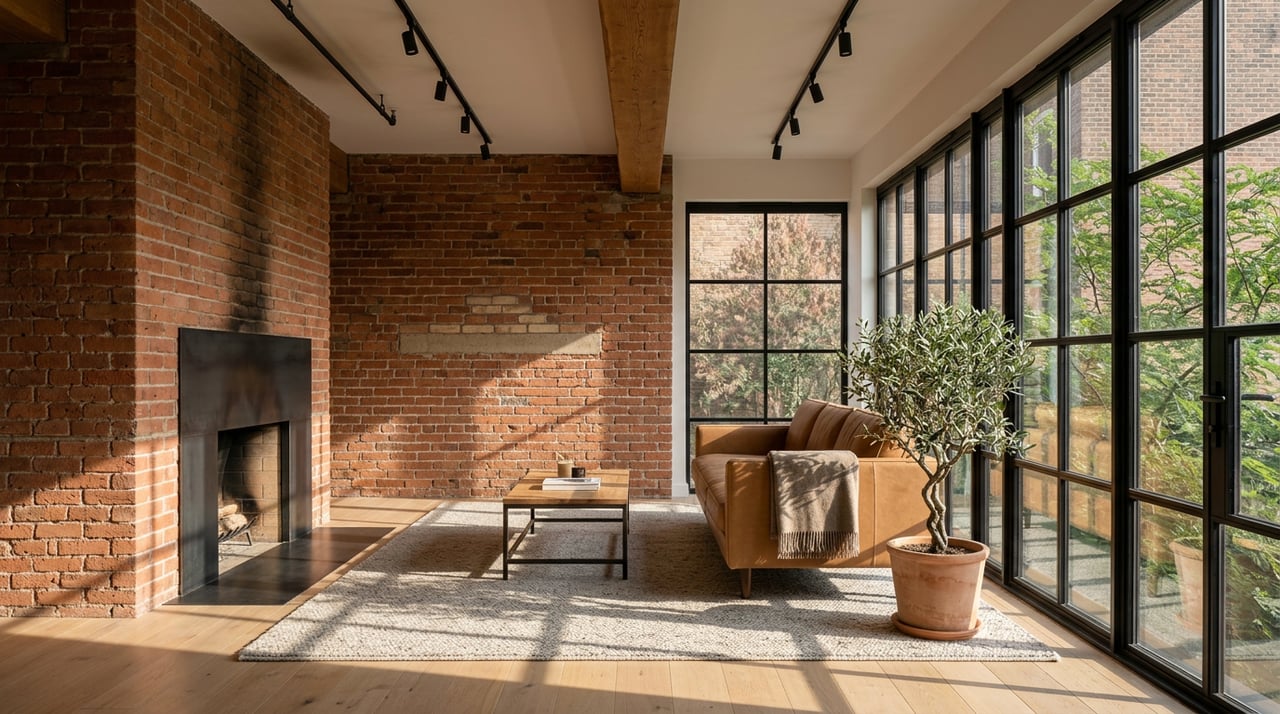
If your home has exposed brick, tall windows, or classic trim, let those features breathe. You want buyers to notice the room, not just the furniture.
Edit the kitchen, do not empty it
A well-staged kitchen should feel efficient and inviting. It should not look sterile, but it also should not look busy. Clear counters, minimal small appliances, and a clean backsplash go a long way.
In Chicago homes with open-concept layouts, the kitchen often connects directly to the living or dining space. Houzz’s 2024 kitchen trends study found that many homeowners are still making kitchens more open to nearby interiors, and large islands continue to play a central role. If you have an island or peninsula, stage it as a visual bridge between cooking and gathering.
Try these kitchen staging moves:
- Remove most countertop items
- Keep one simple styled moment, like a bowl or tray
- Hide cleaning products and cords
- Straighten stools and keep spacing even
- Deep-clean cabinet fronts, hardware, and lighting
The result should feel polished and usable. Buyers want to imagine real life here, not a showroom that feels untouchable.
Make the primary bedroom feel calm
The primary bedroom is one of the top spaces buyers’ agents want staged, and for good reason. This room should feel restful, spacious, and easy to settle into. Even if the footprint is modest, the right layout and styling can make it feel more comfortable.
Start by simplifying the furniture plan. If the room feels crowded, remove extra pieces that are not essential. Then build a hotel-like look with crisp bedding, balanced nightstands if space allows, and soft lighting.
Keep the palette quiet and broad in appeal. Current design coverage points toward warmth and texture, but for resale, restraint still wins. Neutrals with controlled accent color usually feel more inviting than strong reds, bright yellows, or lime greens, which have been identified as less appealing to many buyers.
Show flexibility in secondary rooms
Not every extra bedroom needs a full traditional setup. In fact, secondary bedrooms and flex spaces often do better when they show possibility. A buyer may need a guest room, office, nursery, workout space, or creative room, so the key is to suggest function without overcommitting.
The 2025 staging report found that office space was staged by 36% of sellers’ agents. That makes sense in today’s market. If you have a bonus room, den, or finished lower level, showing a clean desk setup or a dual-purpose layout can help buyers understand the home’s versatility.
A few ways to stage flexible rooms include:
- A bed plus a small desk
- A reading chair and shelving
- A simple office setup with clear work surface
- A guest room with minimal personal decor
Keep it orderly and light. Buyers should be able to imagine adapting the room to their own needs.
Do not ignore bathrooms and utility spaces
Bathrooms may not be the emotional centerpiece of the home, but buyers still notice them quickly. They should feel spotless, bright, and maintained. Fresh towels, a clear vanity, and clean grout lines do more than trendy accessories ever will.
Laundry and utility areas matter too, especially in Chicago homes where storage can be limited. These spaces should look like organized systems, not overflow zones. Group supplies neatly, reduce visible clutter, and make the space feel as efficient as possible.
Treat outdoor space like a bonus room
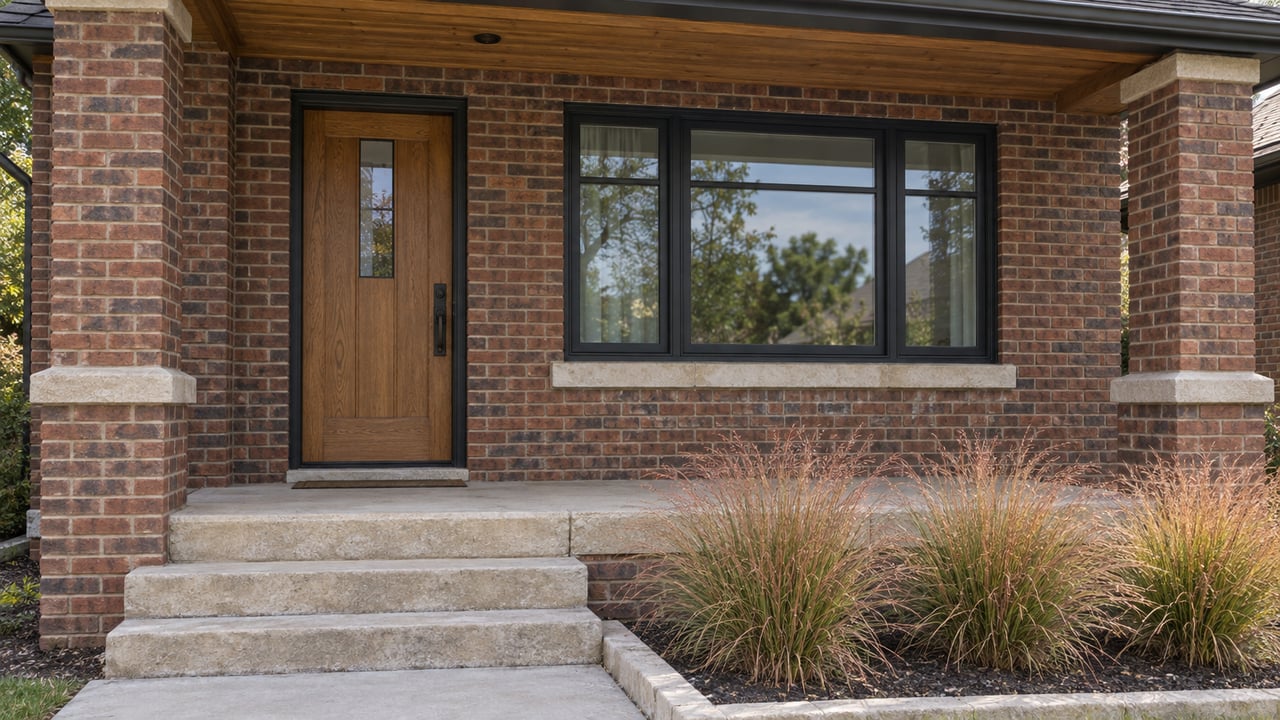
In Chicago, outdoor space carries real weight. That could mean a front porch, stoop, balcony, deck, rooftop, or small back patio. Even compact outdoor areas can feel valuable when they are staged as usable extensions of the home.
The 2025 staging report found that outdoor or yard space was staged by 31% of sellers’ agents, and current design coverage continues to emphasize functional exterior living. In a city where seasonal outdoor time is cherished, buyers respond well to spaces that feel ready to enjoy.
Simple outdoor staging ideas include:
- Sweep and clean all surfaces
- Add scaled seating if space allows
- Use one or two planters for softness
- Remove weather-worn items
- Define a small dining or lounging moment
The goal is not to overdecorate. It is to help buyers see that the outdoor area has a purpose.
Use color and texture that photograph well
Design-forward staging does not mean going bold in every direction. The most effective approach is usually a neutral base with layered texture and a few current accents. This keeps the home feeling warm on camera while still appealing to a wide range of buyers.
Chicago homes often have strong materials already, like brick, wood, stone, and black metal details. Those materials provide enough visual interest on their own. You can complement them with soft textiles, subtle mixed finishes, and art that feels intentional but not distracting.
A good visual formula is:
- Neutral walls or dominant tones
- Natural texture through rugs, linen, wood, or leather
- Limited accent color in pillows or art
- Clean lines and balanced styling
- Enough emptiness for the architecture to stand out
This approach fits both classic and contemporary Chicago homes. It also tends to perform well in listing photography.
Keep winter staging practical
Seasonality matters in Chicago more than in many markets. With average winter snowfall near 30 inches and January snowfall averaging 11.3 inches, your home should feel ready for real life during colder months. Buyers notice messy entries, slippery walks, and neglected exterior areas immediately.
If you are listing in winter, focus on presentation details that signal care:
- Keep paths and steps clear
- Maintain a clean, dry entry area
- Reduce bulky outerwear in view
- Add soft lighting to counter shorter days
- Make storage solutions obvious and tidy
A winter-ready home feels more livable. That sense of ease can shape the entire showing experience.
Design-led staging is really about clarity
At its best, staging helps buyers understand a home quickly. They can see where they would gather, work, rest, and store everyday things. In a market as architecturally rich as Chicago, that clarity matters even more because the presentation should support the home’s identity, not fight it.
If you are preparing to sell, the smartest staging plan is one that combines design sense with local context. That means honoring the architecture, focusing on the highest-impact rooms, and making every space feel edited, functional, and photo-ready. If you want expert guidance on how to position your Chicago home for the market, Clare Spartz offers a design-first, hands-on approach built for strong presentation and strong results.
FAQs
Which rooms should you stage first in a Chicago home?
- Start with the living room, primary bedroom, and kitchen, since buyers’ agents ranked these as the most important spaces to stage.
How much should you budget for home staging in Chicago?
- The 2025 NAR Profile of Home Staging reported a median spend of $1,500 for a staging service, which offers a useful baseline for planning.
Does staging help Chicago homes look better online?
- Yes. Buyers’ agents reported that staging helps buyers visualize a home, and strong presentation supports listing photos, in-person showings, videos, and virtual tours.
Should you stage a Chicago home differently in winter?
- Yes. Chicago winter weather makes clean entries, clear exterior walkways, practical storage, and tidy outdoor areas especially important.
Can design-forward staging still feel neutral to buyers?
- Yes. The best approach is usually a restrained neutral base with texture and a few current accents, so the home feels stylish without limiting broad buyer appeal.