Thinking about moving back to Chicago from the suburbs? You are not alone, and you are not imagining the trade-offs. A move back into the city can mean a shorter commute, easier access to transit, and a better fit for the way you want to live day to day, but it also calls for careful timing and a clear buying plan. This guide will help you narrow north-side neighborhoods, decide what to do with your suburban home, and build an offer strategy that fits today’s market. Let’s dive in.
Why a Chicago buying plan matters
Chicago is not one market in the way many suburbs are. The city has 77 community areas and more than 200 neighborhoods, which means your search usually works best when you focus on specific blocks and micro-areas instead of broad citywide averages.
Spring 2026 data points to a market that still moves quickly. Illinois REALTORS reported 6,928 closed sales in the Chicago metro in March 2026, with a median sales price of $375,000, 10,455 homes in inventory, and 31 days on market. Their April 2026 forecast also said Chicago city single-family inventory was down 28.4% year over year, while city condo and townhome inventory was down about 29% and condo and townhome prices rose 8.7%.
For you, that means preparation matters. If you are moving back from the suburbs, it helps to line up pre-approval, map out your move timeline, and decide early how your current home fits into the plan.
Start with north-side filters
If you are drawn to north-side Chicago, start with the factors that shape your daily routine. Most move-back buyers narrow the search by commute, parking, school boundaries, housing type, and whether a home sits in a historic or landmark district.
That approach is especially helpful because neighborhood-level pricing can vary a lot. In Realtor.com’s April 2026 snapshot, the North Side was labeled a seller’s market with a median listing price of $610,000, 872 homes for sale, and a median of 22 days on market. Within that same snapshot, Lincoln Park was about $800,000, Lake View about $424,900, North Center about $739,000, West Town about $674,900, and Wicker Park about $650,000.
The takeaway is simple: a neighborhood name only gets you so far. In Chicago, the exact block, building style, and transit access can shape both price and fit.
Match your commute first
Commute is often the fastest way to narrow your options. CTA says the regional transit network connects CTA, Metra, and Pace, with CTA serving the city and nearby suburbs and Metra providing commuter rail from several downtown terminals.
On the north side, a few train lines often drive search decisions. The Red Line offers 24-hour service between Howard and 95th, the Brown Line runs from Kimball to downtown, and the Blue Line connects O'Hare and Forest Park. If you know which line or station matters most to your workweek, you can quickly eliminate areas that look good online but feel less practical in real life.
Compare housing stock, not just price
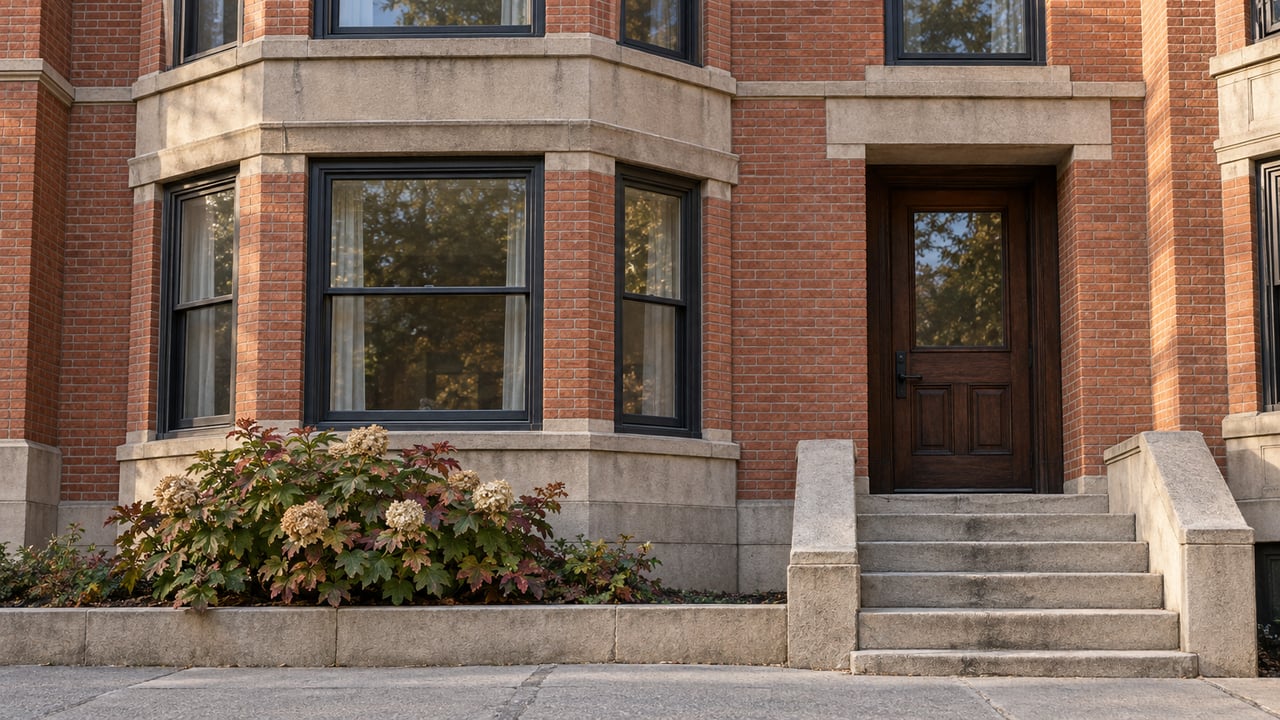
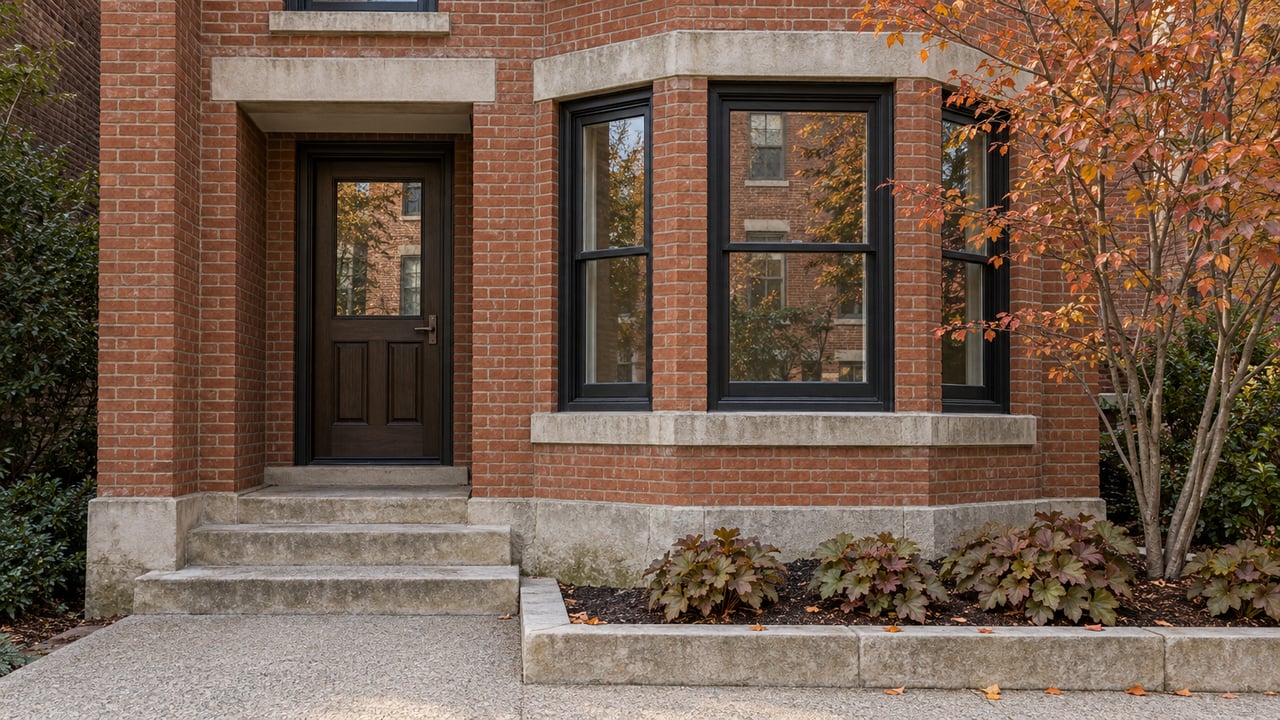
North-side buyers often find that home style matters as much as square footage. Official Chicago landmark records show Lincoln Park includes historic row-house and multi-unit districts, Lake View includes historic three-flat blocks, and West Town includes the Milwaukee Avenue District, known for its late-19th and early-20th-century commercial character.
That means your options may include condos, row houses, three-flats, mixed-use buildings, or updated older homes with very different layouts and maintenance needs. If you are coming from a suburban single-family home, it helps to decide early which trade-offs you are willing to make on stairs, outdoor space, parking, and shared walls.
Check landmark rules before planning changes
If you expect to remodel soon after closing, do this homework before you write an offer. If a property is an official Chicago landmark or is located inside a landmark district, exterior work tied to city-issued permits is reviewed by the Commission on Chicago Landmarks.
That can affect plans to replace windows, add on, or change visible exterior features. For a buyer who wants to move quickly on renovations, this is not a small detail. It can shape your budget, timeline, and even which homes make sense to pursue.
Verify school boundaries by address
If school boundaries are part of your search, do not rely on assumptions. Chicago Public Schools offers a School Locator that lets you search by address or zip code and view boundaries down to the street level.
CPS notes that students who live in the attendance area are guaranteed a seat and do not need to submit an application. The locator data is approximate, though, so it is smart to verify directly before making a purchase decision based on a boundary line.
Decide what to do with your suburban home
For many move-back buyers, this is the real hinge point. Your budget, down payment, and flexibility in Chicago may depend on whether you sell your suburban home first or hold it as a rental.
The Consumer Financial Protection Bureau says homeowners who want to move normally try to sell their home first before buying another one. It also notes that ownership costs continue after purchase, including repairs, property taxes, insurance, and HOA dues where applicable. In other words, carrying two homes can change the math quickly.
Selling first can simplify the move
Selling first often gives you the clearest budget. You know how much equity you can bring to the Chicago purchase, how much monthly payment feels comfortable, and whether you need a contingency when you make an offer.
This route can also reduce stress in a fast market. If your suburban sale proceeds are important to the purchase, knowing those numbers before you shop can help you act faster when the right home comes up.
Renting out the suburban home needs planning
If you are thinking about keeping the suburban home as a rental, pause before you assume it is the better financial move. IRS Publication 527 covers rental income, deductible expenses, depreciation, and the tax rules that apply when a personal residence is converted to rental use.
That is why your first financial conversation should be with a lender and, if needed, a CPA or real estate attorney. You want to understand not just the income potential, but also the tax treatment, carrying costs, and how that home will affect your ability to buy in Chicago.
Build a realistic move-back timeline
A clear sequence can keep the process from feeling chaotic. In most cases, the strongest move-back plans start with financing, then narrow neighborhoods, then property-specific due diligence, and finally an offer strategy built around your current home.
A practical sequence looks like this:
- Talk with a lender about pre-approval and your payment range.
- Decide whether your suburban home will likely be sold or rented.
- Price out your suburban home if a sale is part of the plan.
- Shortlist Chicago neighborhoods based on commute, parking, housing type, and budget.
- Confirm school boundaries and zoning details by address for homes you are serious about.
- Decide whether your offer should be non-contingent, home-sale contingent, or structured with timing tools like a rent-back window.
This kind of sequence helps you avoid doing everything at once. It also gives you a framework for making quick but informed decisions when inventory is tight.
Use contingencies without overcomplicating things
Contingencies can protect you, but they work best when they are clear and realistic. The CFPB recommends making a purchase offer contingent on obtaining financing and on a satisfactory inspection.
Other common tools can include a home sale contingency, home close contingency, title contingency, homeowners insurance contingency, HOA review period, continue-to-show language, kick-out clauses, early move-in terms, and rent-back clauses. The key is that contingencies should have clear timelines and should support your actual needs instead of piling on unnecessary complexity.
When a home-sale contingency may help
If you need proceeds from the suburban home to make the Chicago purchase work, a home-sale contingency may be worth discussing. It can give you protection if your current home has not sold yet.
The trade-off is competitiveness. In a market with limited inventory and quick timelines, some sellers may prefer offers with fewer moving parts. That is why planning ahead matters.
When timing terms can solve the problem
Sometimes the better solution is not more contingencies but better timing. A rent-back window or carefully coordinated closing dates may create enough breathing room to let you sell and buy without carrying two homes for long.
This is especially useful if your suburban home is expected to sell, but you need a little extra time to make the transition back into the city. The right structure depends on your budget, your risk tolerance, and how tight your timing needs to be.
Check zoning before you buy
If you are considering a multi-unit building, a conversion, or a future addition, check the zoning before you get too far down the road. Chicago’s zoning map can be searched by address, PIN, or intersection.
This is a practical step that can save time and frustration. If your plan for a property depends on a certain use or future project, you want to confirm those land-use constraints before you commit.
Keep your expectations block by block
One of the biggest mindset shifts in a move back to Chicago is learning to think smaller and more specifically. A city search is rarely about choosing “the North Side” as a whole. It is about identifying the blocks, building types, and commute patterns that fit your real life.
That is also where local guidance can make a difference. In neighborhoods like Lincoln Park, Lakeview, North Center, Wicker Park, and West Town, small location details can change the feel of a purchase just as much as the number of bedrooms.
If you approach the move with a clear budget, realistic timing, and a neighborhood filter that matches how you actually live, you can make a smart move back without overcomplicating the process. And if you want a thoughtful, hands-on plan for buying in Chicago while navigating what to do with your current home, Clare Spartz can help you map out the next step.
FAQs
What should I do first when moving back to Chicago from the suburbs?
- Start with a lender conversation, then decide whether you will sell or rent your suburban home before narrowing neighborhoods and touring homes.
How competitive is the Chicago market for move-back buyers?
- Spring 2026 data showed tight inventory, 31 days on market across the Chicago metro in March, and lower year-over-year inventory in the city for both single-family homes and condo or townhome properties.
Which north-side Chicago neighborhoods should I compare first?
- A practical starting group includes Lincoln Park, Lakeview, North Center, Wicker Park, and West Town, but your best fit depends on commute, budget, housing type, parking, and address-specific details.
How can I verify a Chicago school boundary before buying?
- Use the CPS School Locator by address or zip code, then verify directly with CPS because the locator data is approximate.
Do landmark rules matter when buying a home in Chicago?
- Yes. If a home is a Chicago landmark or sits in a landmark district, some exterior work tied to city permits is reviewed by the Commission on Chicago Landmarks.
Should I sell my suburban home before buying in Chicago?
- Many homeowners do sell first because it can clarify budget and equity, but the right choice depends on your finances, timing, and whether keeping the home as a rental makes sense after lender and tax review.
Why should I check zoning before buying in Chicago?
- If you are considering a multi-unit property, conversion, or addition, the zoning map helps confirm land-use constraints before you move forward.