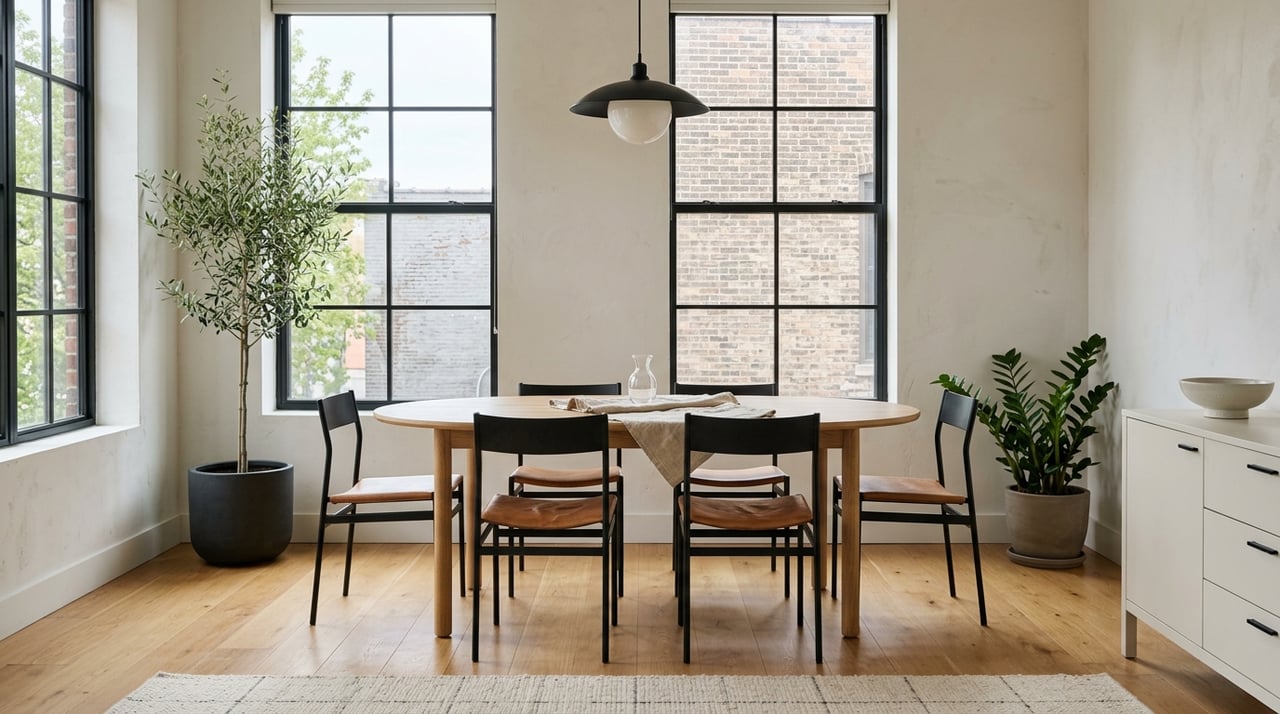
If your home is going to compete in Chicago, it has to make an impression before a buyer ever walks through the door. Most buyers start online, compare several listings quickly, and decide in seconds which homes feel worth a visit. That is exactly why thoughtful staging matters. It helps your home look clear, inviting, and easy to imagine living in, and that can shape both showing activity and offer strength. Let’s dive in.
Why staging matters in Chicago
Thoughtful staging is not about making your home look generic or overly decorated. It is about helping buyers understand the space quickly and see how the rooms live. According to the National Association of Realtors 2025 Profile of Home Staging, 83% of buyers’ agents said staging made it easier for a buyer to visualize the property as a future home.
That same survey found that 60% of buyers’ agents said staging affected most buyers’ view of the home most of the time. In other words, presentation is not a small detail. It is part of how buyers form their first impression, especially when they are comparing similar homes in the same price range.
The research also suggests staging can influence outcomes, though not as a guarantee. In the survey, 29% of agents said staging led to a 1% to 10% increase in the dollar value offered. Sellers’ agents also reported that staging could help reduce time on market, with 30% seeing slight decreases and 19% seeing significant decreases.
Because the report is survey-based, these findings are best viewed as directional, not certain. Still, they point to something important for Chicago sellers: staging can reduce uncertainty. When buyers understand a home faster, they are often better positioned to act with confidence.
Chicago is active, but presentation still matters
Chicago’s housing market has been active, but it is not a market where every home sells itself. Redfin reported that in March 2026, homes in Chicago sold in about 50 days on average and received 3 offers on average. The median sale price was $410,100, up 5.2% year over year.
At the same time, the citywide sale-to-list price ratio was 100.4%, 41.9% of homes sold above list price, and 12.5% had price drops. Cook County showed similar numbers, with a 100.2% sale-to-list ratio and 41.9% of homes selling above list. That tells you the market is competitive enough to reward well-positioned listings, but not so automatic that presentation stops mattering.
This is even more noticeable in many north-side Chicago neighborhoods. In March 2026, homes in Lincoln Park sold in 37 days on average with a 101.0% sale-to-list ratio. Lake View sold in 39 days at 101.5%, Wicker Park in 42 days at 101.8%, and North Center in 50 days at 101.5%.
For sellers in these neighborhoods, staging is not just a finishing touch. It is part of the strategy that supports pricing, photography, and early buyer interest. When buyers are choosing among several attractive homes, the one that feels polished and easy to understand often has an edge.
Staging supports your online first impression
Today, staging and marketing work together. The same NAR survey found that buyers’ agents ranked photos as the most important tool for their clients at 73%, ahead of traditional physical staging at 57%, videos at 48%, and virtual tours at 43%.
That does not mean staging matters less. It means staging helps your photos work harder. In fact, 31% of buyers’ agents said buyers were more willing to walk through a home they saw online when it was staged.
On the seller side, 88% of agents said photos were much more or more important to clients, and 47% said videos were important. For a Chicago listing, especially in a neighborhood where buyers are moving quickly, your marketing assets need to do more than document the home. They need to make the home feel compelling from the start.
What thoughtful staging usually looks like
Thoughtful staging is often more editing than decorating. The goal is to highlight scale, light, flow, and function without distracting buyers with too many personal items or unnecessary furniture. In most cases, you do not need a complete redesign.
The NAR survey points to a practical room priority. Buyers’ agents ranked the living room as the most important space to stage at 37%, followed by the primary bedroom at 34% and the kitchen at 23%. Sellers’ agents staged those spaces most often too, along with the dining room.
That pattern makes sense. These are the rooms that shape emotional connection and daily livability. If a buyer can quickly understand where they would relax, cook, gather, and recharge, the home often feels easier to say yes to.
The highest-impact prep is usually simple
One of the most useful findings in the research is that the best prep work is often basic. Sellers’ agents most commonly recommended:
- Decluttering the home
- Cleaning the entire home
- Improving curb appeal
- Making minor repairs
- Using professional photos
Those steps are not flashy, but they are powerful. Decluttering helps rooms feel larger and easier to read. Cleaning improves how light reflects across surfaces, and small repairs remove distractions that can make buyers wonder what else has been overlooked.
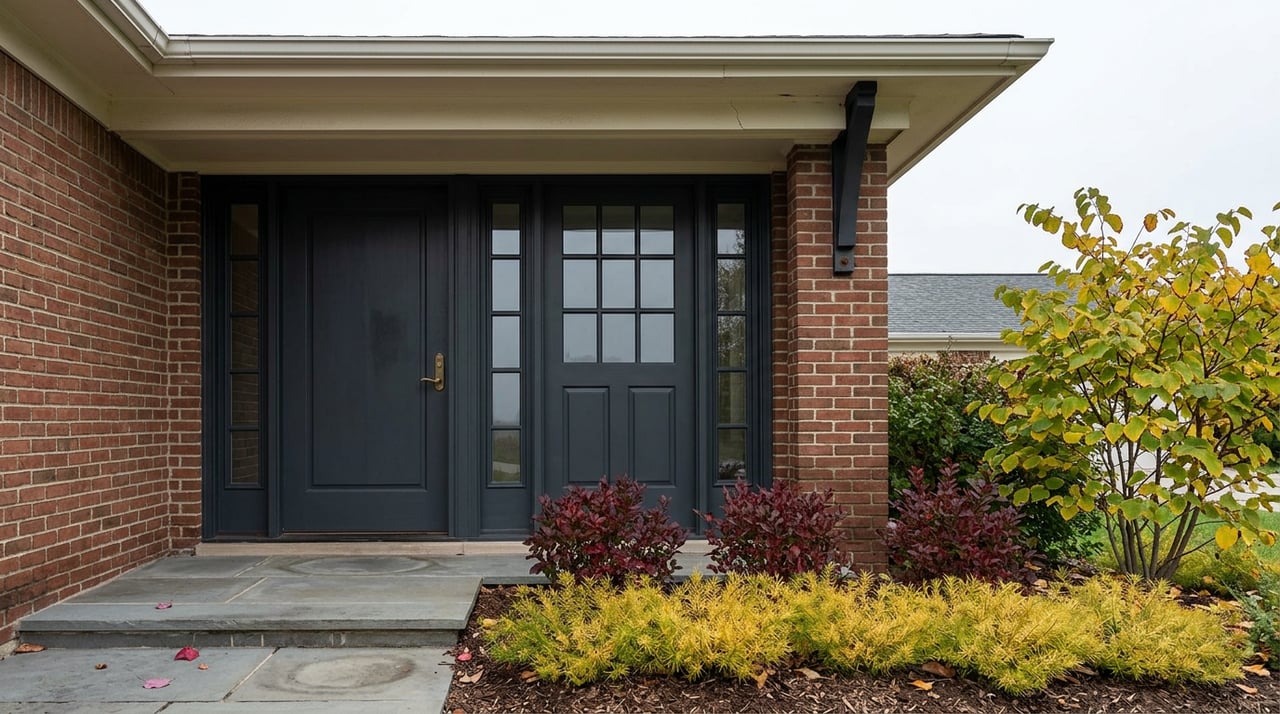
Curb appeal matters too, because it frames the showing before a buyer gets inside. Even in a dense urban setting like Chicago, the entry sequence matters. A neat front approach, a clean foyer, and a polished first room can set the tone for the rest of the tour.
You do not need to stage every room
A common mistake is thinking staging has to happen everywhere to work. The research suggests otherwise. The living room, primary bedroom, and kitchen tend to carry the most weight, so those spaces often deserve the most attention first.
If you are selling a condo, townhome, or single-family home in Chicago, this selective approach can be especially useful. It keeps the process focused on the rooms buyers are most likely to remember in photos and from showings. That is often enough to create a stronger overall impression without overcomplicating the prep.
In practice, thoughtful staging usually follows a clear sequence:
- Remove excess furniture and personal items
- Deep clean the home
- Handle minor repairs
- Refresh curb appeal or entry presentation
- Stage the highest-visibility rooms first
- Schedule professional photography once the home is fully ready
That kind of planning fits a market where buyers are making fast comparisons and where strong presentation can support stronger momentum.
What staging may cost
Cost is one of the first questions most sellers ask, and the national survey offers a useful benchmark. NAR reported a median spend of $1,500 for a staging service. When a seller’s agent personally staged the home, the median reported cost was $500.
Of course, actual cost depends on the home, the scope of work, and whether the property is occupied or vacant. But the bigger point is that staging does not have to mean an expensive overhaul. In many cases, the most effective version is a curated plan built around editing, styling, and presenting the home well for photography and showings.
For a design-first brand like Clare Sells Homes, that matters. The value is not just in adding items. It is in knowing what to change, what to remove, and where thoughtful styling can improve buyer perception.
Why this matters in north-side neighborhoods
In neighborhoods like Lincoln Park, Lake View, Wicker Park, and North Center, buyers often have options. Many homes are competing within similar price bands, building styles, and layouts. When that happens, presentation can help your listing stand apart without forcing a pricing compromise.
If homes are moving in roughly 37 to 50 days in these areas and many are selling at or above list price, then your early days on market matter a lot. That is when your listing is freshest, your photos are getting the most attention, and buyers are deciding whether your home belongs on their must-see list.
Thoughtful staging gives your home a better chance to connect during that window. It helps buyers see value faster, which can support stronger interest and, in some cases, stronger offers. That does not make staging magic, but it does make it a smart part of a serious selling plan.
Thoughtful staging is really about clarity
The best staging does not overwhelm buyers with a look. It gives them clarity. They can understand the size of the rooms, the purpose of the spaces, and the lifestyle the home supports.
That is especially important in Chicago properties with unique character, multi-level layouts, vintage details, or loft-style features. Good staging helps buyers appreciate those qualities instead of getting distracted by scale questions, furniture placement, or visual clutter.
When staging is handled with intention, it supports the bigger goals of your sale. It strengthens your photos, improves the showing experience, and helps your home compete more confidently in a market where first impressions carry real weight.
If you are preparing to sell in Chicago, a design-led strategy can make the process feel more focused and less overwhelming. For tailored guidance on pricing, presentation, and broker-led staging, connect with Clare Spartz to request a free home valuation and staging consult.
FAQs
How does home staging affect Chicago buyers?
- Staging helps buyers understand the home faster. In NAR’s 2025 survey, 83% of buyers’ agents said staging made it easier for buyers to visualize a property as a future home.
Does staging help homes sell faster in Chicago?
- Survey results suggest it can help reduce time on market. NAR reported that 30% of sellers’ agents saw slight decreases in time on market and 19% saw significant decreases, though results are not guaranteed.
Which rooms should Chicago sellers stage first?
- The living room, primary bedroom, and kitchen are usually the top priorities. NAR’s survey found these were the rooms buyers’ agents considered most important to stage.
Do Chicago sellers need to stage every room?
- No. A focused approach often works well, especially when you prioritize the most visible and emotionally important spaces first.
How much does home staging usually cost?
- NAR reported a national median spend of $1,500 for a staging service and $500 when the seller’s agent personally staged the home.
Do staging and listing photos matter equally in Chicago?
- They work best together. In NAR’s survey, buyers’ agents ranked photos highest in importance, and 31% said buyers were more willing to visit a home they saw online when it was staged.