Spring in Chicago can sneak up on you. One week you are waiting out chilly mornings, and the next you are trying to schedule photos before the rain picks up and the trees fill in. If you are thinking about selling, a strong spring launch rarely happens at the last minute. It comes from a smart plan, thoughtful presentation, and good timing. Let’s dive in.
Why spring timing matters in Chicago
Chicago’s spring weather changes fast, and that affects how your home looks online and in person. March averages about 47°F for highs and 31°F for lows, while April and May warm up but also bring more rain. That means exterior cleanup, curb appeal work, and listing photos are often best handled early.
Market conditions also raise the stakes for a polished launch. In March 2026, Chicago had 2,981 homes for sale, down 28.8% from a year earlier. At the same time, the median sales price reached $409,200 and the average days on market fell to 32, which suggests buyers are still moving quickly when the right home hits the market.
For sellers, that creates a clear takeaway. Low inventory can help, but it does not replace preparation. Your home still needs to make a strong first impression from day one.
Start planning 4 to 8 weeks ahead
If you want to list in spring, it helps to work backward from your target launch date. A realistic timeline is about 4 to 8 weeks, especially if you want time for cleaning, repairs, staging, and photography without feeling rushed.
That timing also supports how buyers shop today. According to NAR, 52% of buyers found the home they purchased online, and 81% said listing photos were the most useful feature. The first few days online matter, so your home should be fully ready before it goes live.
Six to eight weeks before listing
This is the foundation stage. Start by removing extra items, editing storage areas, and packing away personal pieces that make rooms feel busy.
Focus on these early tasks:
- Declutter closets, counters, shelves, and storage rooms
- Deep clean the entire home
- Depersonalize visible spaces
- Gather seller disclosure paperwork
- Make a running list of small repairs
This step matters more than many sellers expect. In NAR’s 2025 home staging survey, decluttering and whole-home cleaning were the most common recommendations from seller’s agents.
Three to four weeks before listing
Once the home feels lighter and cleaner, shift to repairs and finish work. This is the time for touch-ups that help your home feel cared for and move-in ready.
Typical priorities include:
- Paint touch-ups on walls, trim, and doors
- Minor carpentry or hardware fixes
- Re-caulking or grout refreshes where needed
- Exterior cleanup after winter
- Basic landscaping and entry refreshes
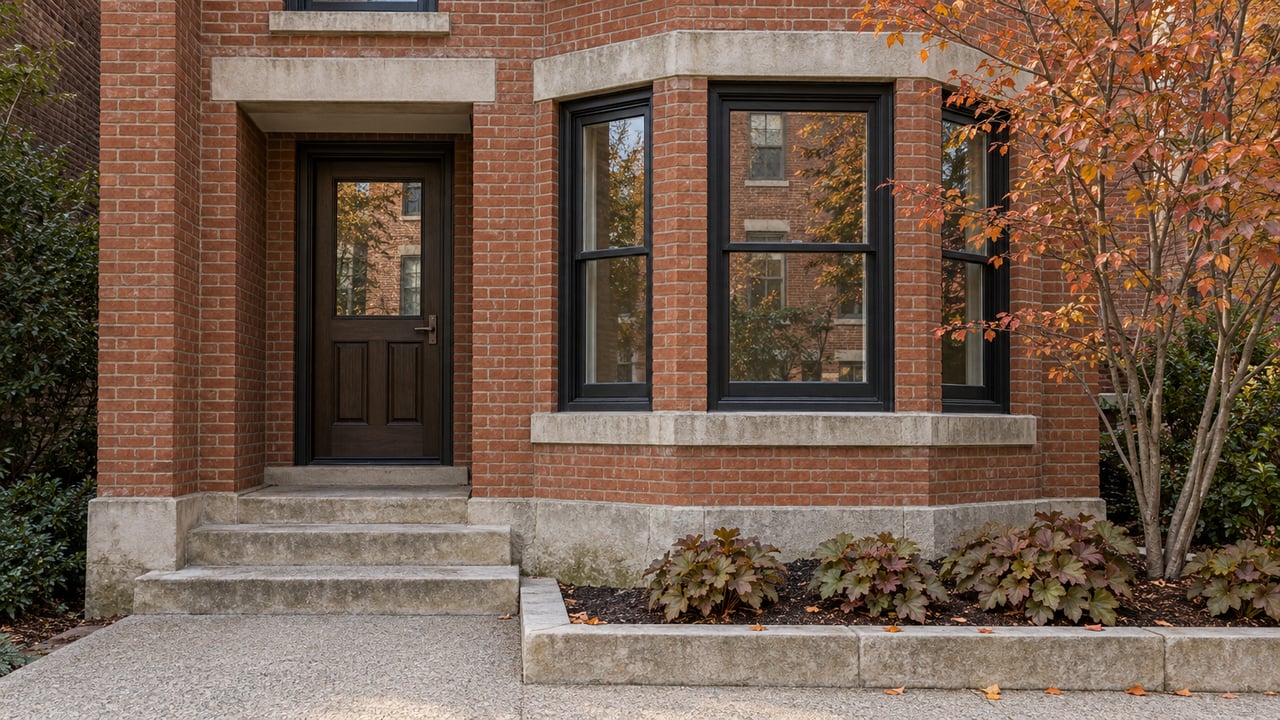
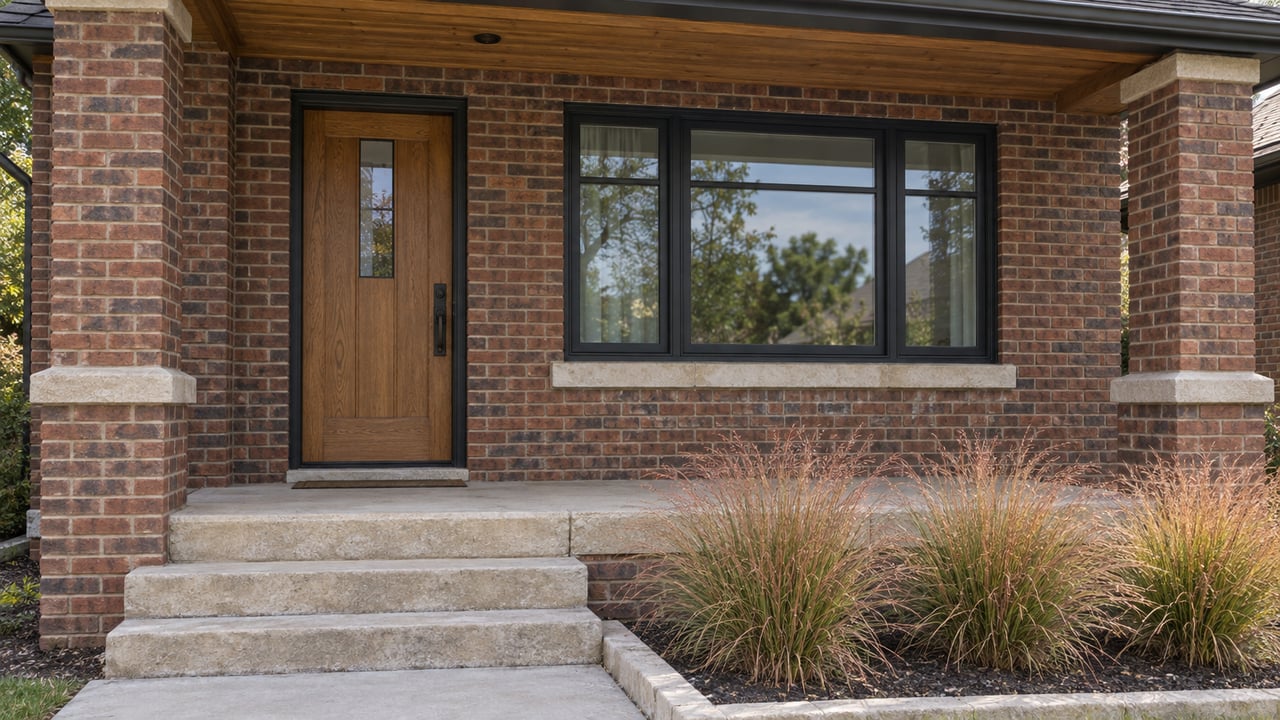
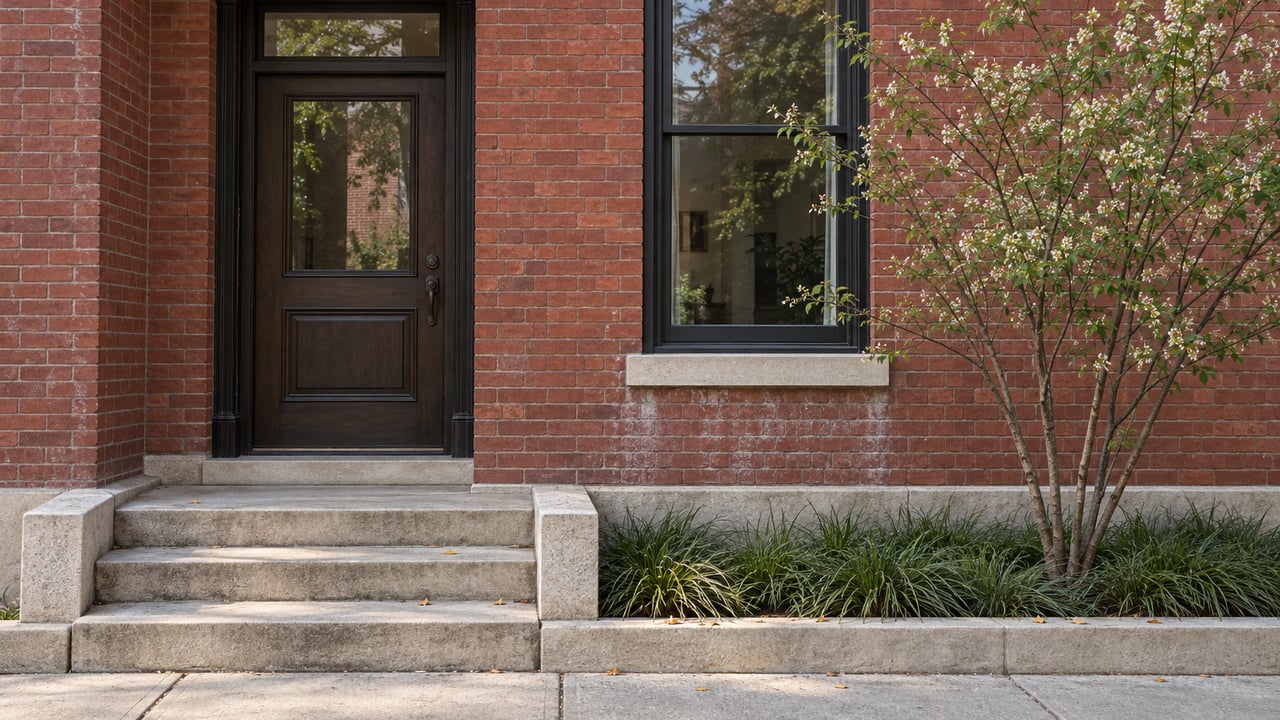
Curb appeal deserves special attention in Chicago’s spring market. After a long winter, buyers notice clean walkways, fresh planters, tidy entryways, and a front door that feels welcoming.
One to two weeks before listing
This is when your home should start looking camera-ready. Staging should highlight the rooms buyers tend to notice most and help each space feel open, functional, and inviting.
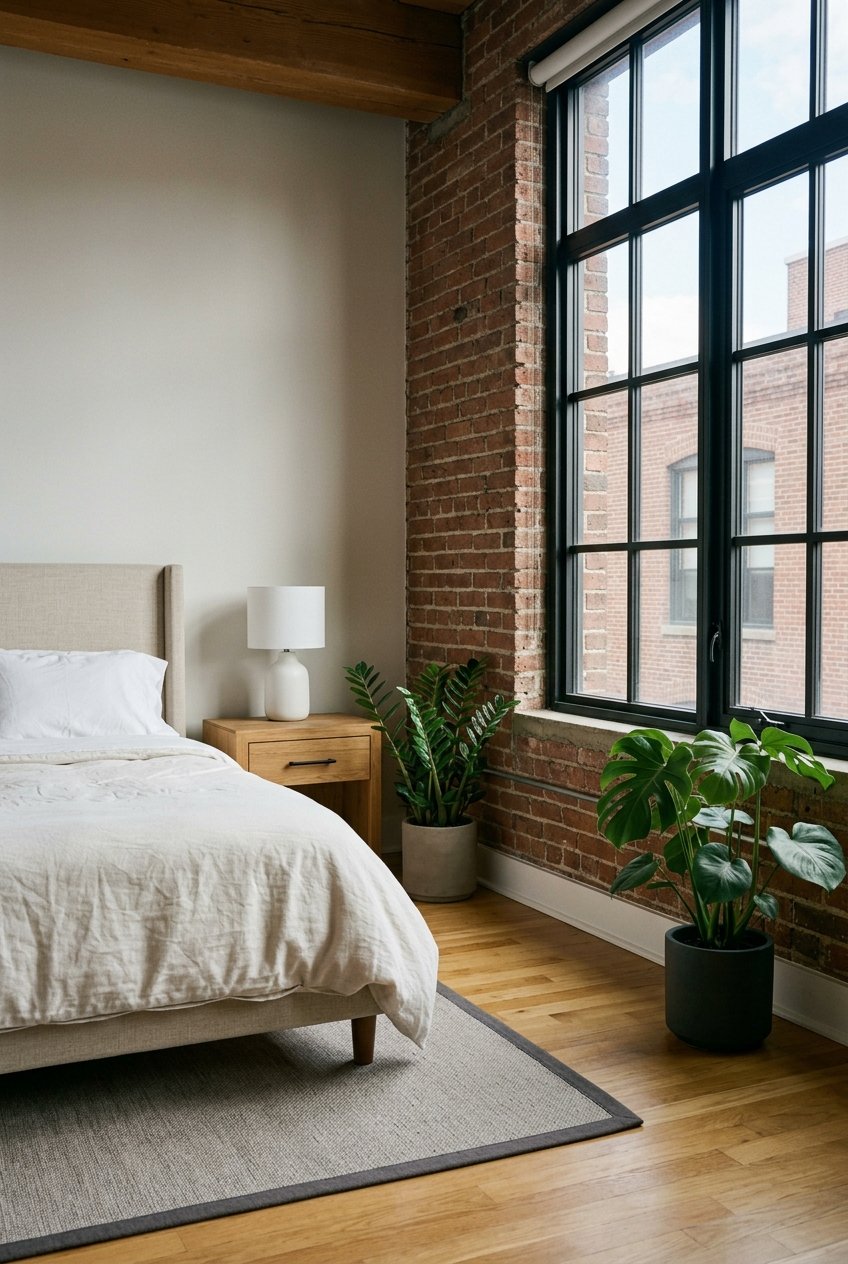
According to NAR, the most commonly staged rooms include the living room, primary bedroom, kitchen, and dining room. Those spaces often shape a buyer’s overall impression, so they are worth prioritizing.
Launch week
By launch week, your goal is consistency. The home should look as good in person as it does in photos, because buyers often decide whether to visit based on what they saw online.
Keep daily routines simple and show-ready:
- Make beds neatly each morning
- Clear bathroom counters
- Wipe kitchen surfaces
- Hide pet items when possible
- Keep floors clean and clutter off furniture
Declutter first, then style with purpose
When sellers think about getting ready for market, they often jump straight to decor. In reality, the biggest gains usually come from editing the space first.
A home that feels clean, open, and easy to understand helps buyers focus on the rooms themselves. Too much furniture, crowded shelves, or overly personal styling can make spaces feel smaller and distract from the home’s layout.
That is one reason design-first prep matters. Instead of adding more, the better strategy is often to remove what competes with the home’s best features.
Focus on the rooms that shape buyer perception
Not every room carries the same weight. If you are short on time or energy, start with the areas buyers are most likely to remember.
Prioritize:
- Living room
- Primary bedroom
- Kitchen
- Dining room
These spaces tend to anchor the showing experience. When they feel calm, bright, and well-proportioned, the whole home often feels stronger.
Treat photography like part of the sale strategy
Professional photos are not the final step. They are part of the strategy itself.
NAR’s guidance for photo prep notes that cameras exaggerate clutter and poor furniture placement. That means a room that looks acceptable in daily life may still photograph as cramped, dark, or distracting.
Before photos, it helps to simplify each room even further. Open blinds, remove refrigerator magnets, clear off surfaces, and take down visually busy artwork if it dominates the frame. In some spaces, removing a piece of furniture can actually make the room look larger.
Why first impressions online matter so much
The lead image can shape whether a buyer clicks into your listing or keeps scrolling. Since so many buyers begin their search online, your photography needs to do more than document the property. It needs to create interest.
That is especially true in a competitive spring market. Buyers may be moving fast, and your listing only gets one first impression.
Consider more than still photos
When available, video and virtual-tour assets can support a stronger launch. NAR’s staging research shows that buyers value photos, traditional staging, videos, and virtual tours.
That does not mean every listing needs the same package. It does mean that a thoughtful digital presentation can help buyers connect with the home before they ever walk through the door.
Don’t leave disclosures to the last minute
Paperwork may not feel as exciting as styling, but it is part of a smooth spring listing plan. In Illinois, sellers of residential real property must complete the Residential Real Property Disclosure Report and provide it before the contract is signed.
If you learn about an error or omission before closing, the disclosure must be supplemented. Handling this early can help you avoid delays during an already busy listing period.
Older Chicago homes need extra attention
If your home was built before 1978, lead-based paint disclosure rules also apply before sale. In a city with many older homes, this is an important part of the prep timeline.
The practical move is simple: treat disclosures as part of your listing checklist from the beginning, not something to scramble through once buyers are already showing interest.
A simple spring prep checklist
If you want a clear path forward, use this sequence as your guide:
Phase 1: Prep the foundation
- Declutter room by room
- Deep clean the home
- Depersonalize visible spaces
- Gather required disclosures and property documents
Phase 2: Tackle repairs and curb appeal
- Patch and paint where needed
- Fix minor finish issues
- Refresh grout, caulk, or trim
- Clean up the yard, walkway, and entry
Phase 3: Stage for impact
- Prioritize the living room, primary bedroom, kitchen, and dining room
- Edit furniture to improve flow
- Add simple, clean styling touches
- Keep the design bright and understated
Phase 4: Prepare for photos and launch
- Finalize staging before photography
- Open blinds and maximize natural light
- Remove extra countertop items and visual clutter
- Keep the home ready for showings once the listing is live
The Chicago spring market rewards preparation
Spring selling in Chicago is not just about putting a sign in the yard at the right moment. It is about building momentum before launch so your home looks polished, photographs beautifully, and feels easy for buyers to picture as their next home.
With Chicago’s quick seasonal shift, rising spring rainfall, and a market where supply remains tight, the sellers who prepare in phases are often in the best position to stand out. A clean, well-styled, well-timed listing can help you make the most of those important first days on the market.
If you are thinking about selling this spring and want a design-forward plan for timing, staging, and launch, connect with Clare Spartz for a free home valuation and staging consult.
FAQs
When should you start preparing a Chicago home for the spring market?
- A good rule of thumb is to start 4 to 8 weeks before your target listing date so you have time for decluttering, repairs, staging, photography, and paperwork.
What rooms matter most when staging a Chicago home for sale?
- The living room, primary bedroom, kitchen, and dining room are the top rooms to prioritize based on NAR staging guidance.
Why are listing photos so important when selling a Chicago home?
- Many buyers begin their home search online, and NAR reports that 81% rated listing photos as the most useful feature, so strong photography can help drive early interest.
What disclosures are required when selling a home in Chicago?
- Illinois sellers must complete the Residential Real Property Disclosure Report before the contract is signed, and homes built before 1978 may also require lead-based paint disclosures.
How does Chicago spring weather affect listing prep?
- Chicago’s spring brings fast temperature changes and increasing rainfall, so exterior cleanup, curb appeal work, and photography are often best scheduled early in the season.