Thinking about trading your Chicago condo for a single-family home? You are not alone, and you are not imagining the complexity. In this market, moving up is not just about finding more space. It is about selling one home well, buying the next one smartly, and timing both moves with care. This guide will help you understand what changes, what to budget for, and how to plan your next step with more confidence. Let’s dive in.
Why moving up in Chicago takes strategy
A move-up purchase in Chicago means you are working in two markets at once. You need to sell your current condo in a way that protects your equity, and you need to compete for the next home in a market that still moves quickly.
March 2026 data points to a fairly tight Chicago market. Realtor.com reported 3,118 active listings in Chicago, down 16.9% year over year, with a median list price of $354,500 and a typical sale in 35 days. Illinois REALTORS reported 2,981 homes for sale in the city, 1,766 closed sales, and 32 days on market until sale. Even if the exact numbers vary by source, the story is the same: homes are moving at a steady pace.
That matters because waiting until the “perfect” house appears can leave you behind. If you own a condo now and want to move into a detached home, preparation needs to start before your next home hits the market.
What the condo-to-house price gap looks like
One of the clearest planning points is the price difference between property types. In Chicago’s March 2026 city data, the median sales price was $339,500 for condos and $444,160 for single-family homes.
That gap of a little more than $100,000 gives you a realistic framework. For many move-up buyers, the next step is not only a lifestyle change. It is also a financing and equity decision that needs to be mapped out early.
If you are shopping in popular north-side areas, pricing can move even higher. Realtor.com neighborhood snapshots showed median listing prices of $800,000 in Lincoln Park, $424,900 in Lake View, and $739,000 in North Center, with homes in each of those areas moving in about three weeks and sale-to-list-price ratios at 100%.
Compare homes by monthly cost, not just price
A bigger home does not always mean a dramatically bigger monthly payment. At the same time, a lower HOA bill does not automatically make a house cheaper to own. That is why move-up buyers need to compare homes on an all-in monthly cost basis.
With a condo, you are often paying HOA dues separately from your mortgage. The CFPB notes that condo or HOA fees can range from a few hundred dollars a month to more than $1,000. When you move to a townhome or single-family home, that monthly line item may shrink or disappear, but other costs often rise.
A true side-by-side comparison should include:
- Principal and interest
- Property taxes
- Homeowners insurance
- Any HOA fees
- Utilities
- Ongoing maintenance
- Any flood insurance, if applicable
This is where many buyers find clarity. A larger condo may come with higher dues. A single-family home may come with more maintenance and insurance responsibility. A townhome may sit somewhere in between. Looking only at list price can hide the real monthly picture.
Mortgage rates still shape the move-up decision
Rates matter even more when you are moving up because the next home is usually more expensive. Freddie Mac reported the average 30-year fixed-rate mortgage at 6.51% as of May 21, 2026.
That does not mean you should pause your plans automatically. It does mean your next purchase should be based on today’s numbers, not yesterday’s rates. Your condo sale proceeds will likely play a major role in your down payment, so it is important to estimate your net proceeds and your next payment together.
Sell first or buy first?
For most move-up buyers, selling first is the cleaner path. The CFPB notes that if you want to move, you normally try to sell your current home before buying another one.
In Chicago, that advice is especially practical because your condo equity often drives the next purchase. Selling first can give you a clearer view of your available down payment, your monthly budget, and how aggressively you can act when the right house appears.
That said, “sell first” does not mean you wait to do everything else. In a market where homes can move in about a month, your financing, pricing strategy, and home search criteria should be ready well before your condo closes.
Plan your move-up timeline early
A smoother move-up experience usually starts with sequencing. When you know what happens first, second, and third, the process feels much more manageable.
Here is a simple way to think about it:
Step 1: Estimate your condo’s likely sale price
Start with current market data and recent local activity. In a city where condo and single-family pricing can vary widely by neighborhood, a broad internet estimate is rarely enough.
Step 2: Calculate your likely net proceeds
Your sale price is important, but your net matters more. Chicago-area closings include layered transfer taxes that affect what you actually walk away with.
Illinois imposes a transfer tax of $0.50 per $500 of value. Cook County adds $0.25 per $500. Chicago also adds a city transfer tax of $3.75 per $500 plus a CTA supplemental tax of $1.50 per $500. When you are planning a move-up purchase, those costs should be part of the conversation from day one.
Step 3: Prepare your condo for market
If you are both selling and buying, your current home still needs to show at its best. This is often where move-up buyers feel stretched, because mentally they are already focused on the next property.
Step 4: Get financing lined up
Because the market can move quickly, you want your financing ready before your ideal house appears. This gives you a stronger position when you are ready to make an offer.
Step 5: Shop with clear priorities
Once you understand your budget and expected proceeds, your search becomes more focused. That can help you weigh whether your best next move is a townhome, a larger condo, or a detached home.
Why presentation matters when selling your condo
If your condo sale helps fund your next home, presentation is not a nice extra. It is part of the strategy.
According to NAR’s 2025 Profile of Home Staging, 29% of agents said staged homes received a 1% to 10% increase in the dollar value offered. Another 49% said staging reduced time on market, and 83% said staging made it easier for buyers to picture the property as their future home.
That matters even more when inventory is tight and buyers are making quick decisions online. NAR also found that buyers’ agents rated photos as highly important, along with physical staging, videos, and virtual tours. If your condo is going to stand out, it needs to look polished both in person and on screen.
Focus on the rooms buyers notice most
NAR found the most commonly staged rooms were:
- Living room
- Primary bedroom
- Dining room
- Kitchen
Those are smart places to focus if you are preparing a Chicago condo for market. In smaller footprints especially, clean sightlines, lighter styling, and a sense of scale can help the home feel more open.
Start with the basics that make the biggest difference
NAR also found the most common seller-side recommendations were:
- Decluttering
- Cleaning the entire home
- Improving curb appeal
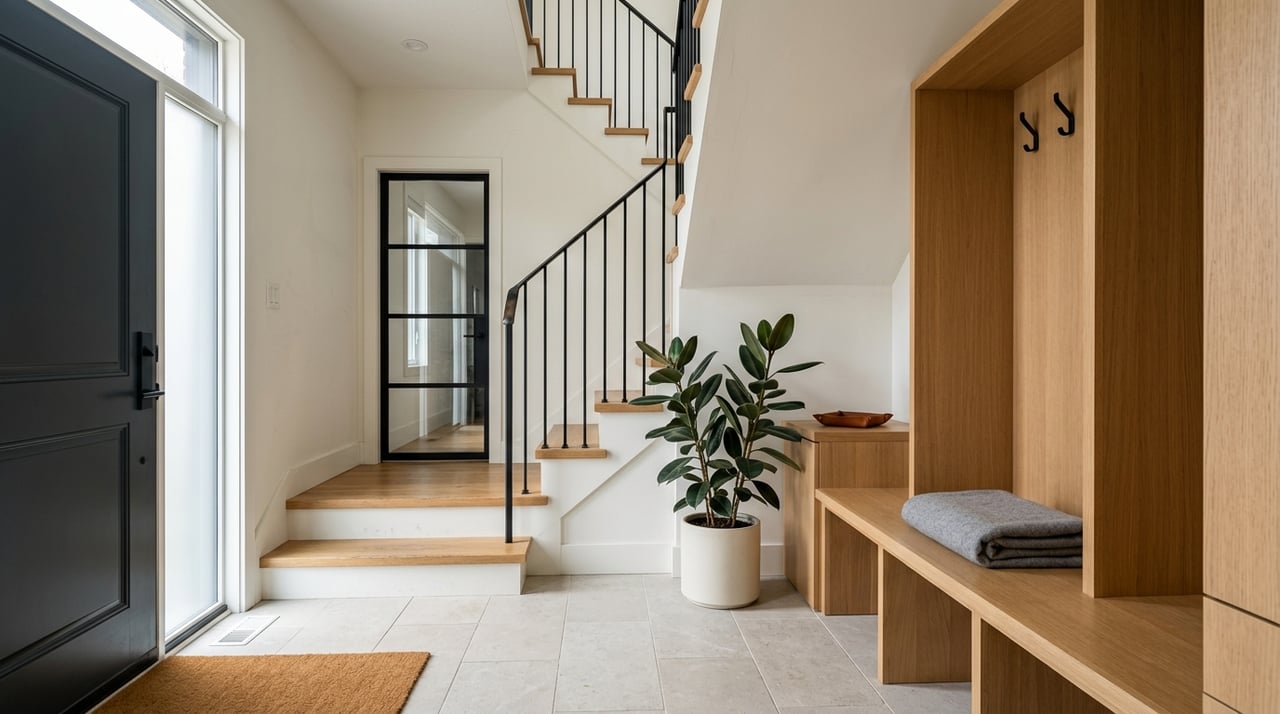
For condo owners, “curb appeal” may mean more than the front door. It can also include your entry sequence, foyer, lighting, hall-facing appearance, and how the unit feels the moment a buyer walks in.
What move-up buyers should watch in north-side Chicago
If you are targeting neighborhoods like Lincoln Park, Lake View, or North Center, expect competition. These areas showed quick median days on market in March 2026, ranging from 21 to 23 days, along with 100% sale-to-list-price ratios in the reported neighborhood snapshots.
That does not mean every listing will sell instantly or at the same pace. It does mean you should be ready to act when the right fit comes along. A clear budget, strong financing, and a realistic understanding of your condo sale position can help you move faster without feeling rushed.
Should you buy another condo, a townhome, or a house?
Not every move-up buyer needs to jump straight into a detached single-family home. Sometimes the right next step is a larger condo with better layout, outdoor space, or parking. In other cases, a townhome offers a middle ground between condo living and full homeownership responsibilities.
The best choice usually comes down to how you want to live and what you want your monthly ownership picture to look like. If you want less shared-building structure, more private outdoor space, and more interior flexibility, a detached home may be the right fit. If you want more space but still prefer some shared maintenance responsibilities, a townhome or larger condo may deserve a closer look.
The real goal: a confident two-step move
A successful move-up is not just about getting more bedrooms or a bigger yard. It is about making sure your current condo sells well enough to support the next chapter.
In Chicago, where listings remain relatively limited and homes can move quickly, the strongest move-up buyers are usually the ones who prepare early. They understand their numbers, present their condo well, and enter the next purchase with a clear plan instead of guesswork.
If you are thinking about moving from a Chicago condo into a single-family home, the right guidance can make the process feel far more manageable. For a design-forward selling strategy and hands-on help planning your next move, connect with Clare Spartz.
FAQs
How much more does a single-family home cost than a condo in Chicago?
- In March 2026, Illinois REALTORS reported a median sales price of $339,500 for Chicago condos and $444,160 for Chicago single-family homes.
What costs should Chicago move-up buyers compare besides list price?
- You should compare principal, interest, property taxes, insurance, HOA fees if any, utilities, maintenance, and any flood insurance if applicable.
Should a Chicago condo owner sell before buying the next home?
- For many move-up buyers, selling first is the more practical path because it helps clarify net proceeds, down payment funds, and the budget for the next purchase.
Why does staging matter when selling a Chicago condo?
- NAR reported that staging can help buyers picture the home more easily, may reduce time on market, and can support stronger offers.
What Chicago closing costs affect condo sale proceeds?
- Chicago sellers should account for layered transfer taxes, including Illinois, Cook County, Chicago city, and CTA supplemental transfer taxes, because those costs affect net proceeds for the next purchase.
How fast are homes moving in Chicago right now?
- March 2026 data showed homes in Chicago selling in roughly 32 to 35 days citywide, with some north-side neighborhood snapshots showing median days on market closer to 21 to 23 days.