Trying to decide between a condo and a townhome in Evanston? You are not alone. Many buyers weigh HOA fees, yard work, parking, and resale outlook but still feel unsure about total monthly cost and lifestyle tradeoffs. This guide breaks down the differences using a simple framework you can apply to any listing so you can choose with clarity and confidence. Let’s dive in.
Quick definitions in Evanston
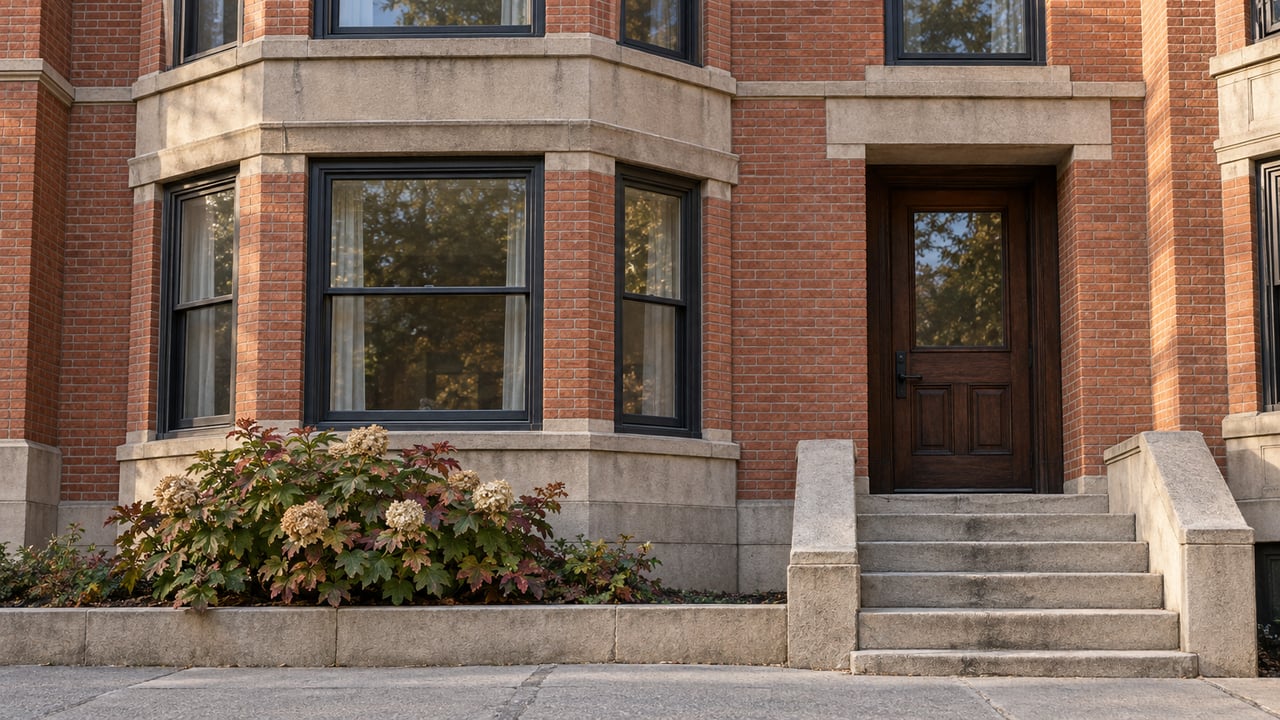
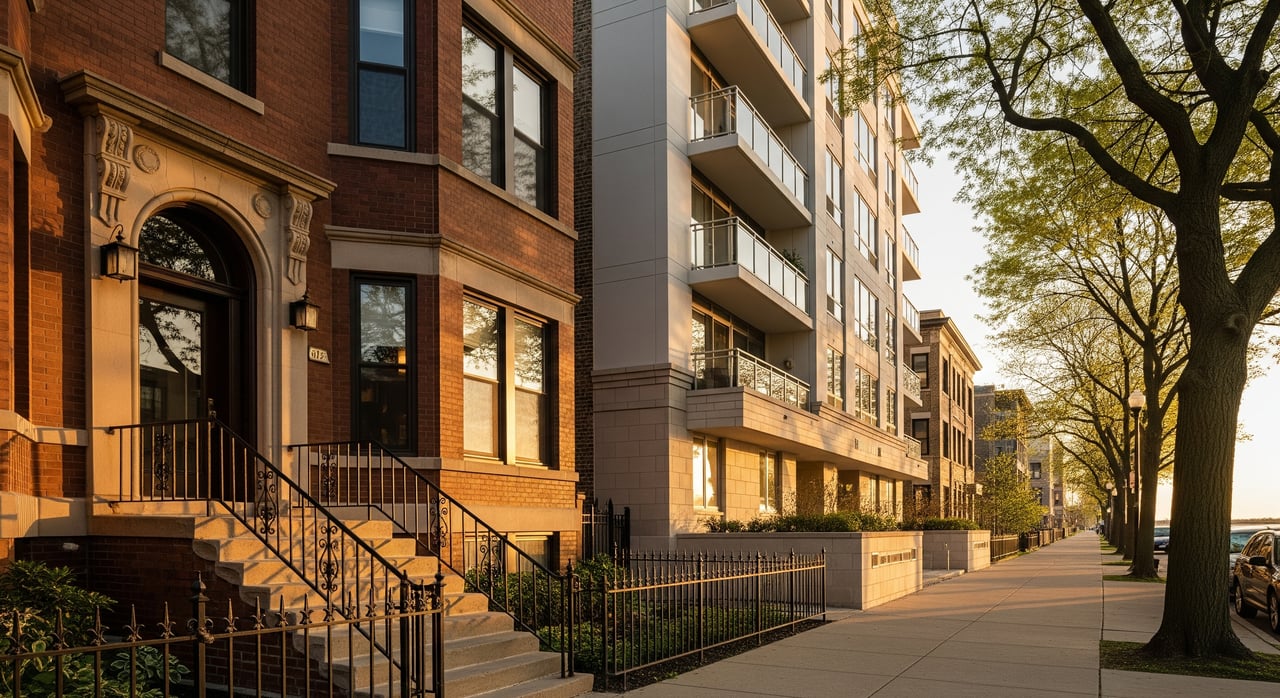
Condos in Evanston are typically individual units within a larger building where you share ownership of common areas. You will often see mid-rise and low-rise buildings downtown, vintage conversions near Northwestern University, and newer infill buildings along transit corridors.
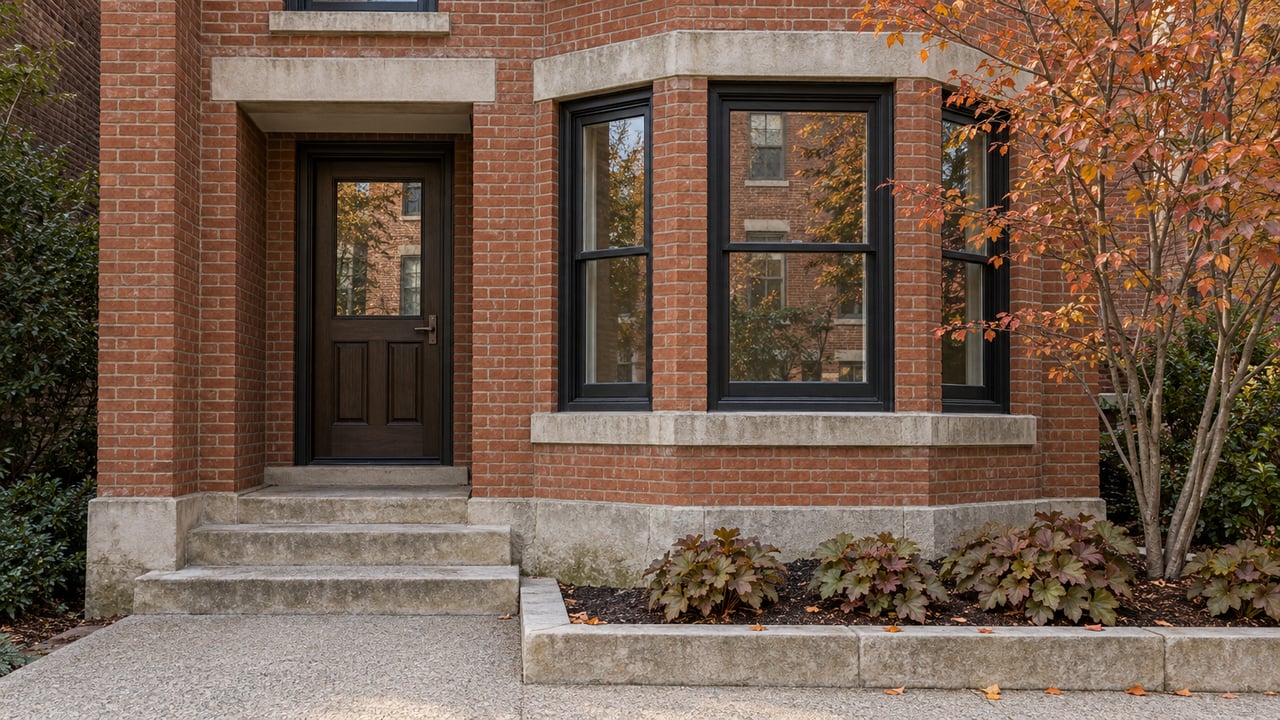
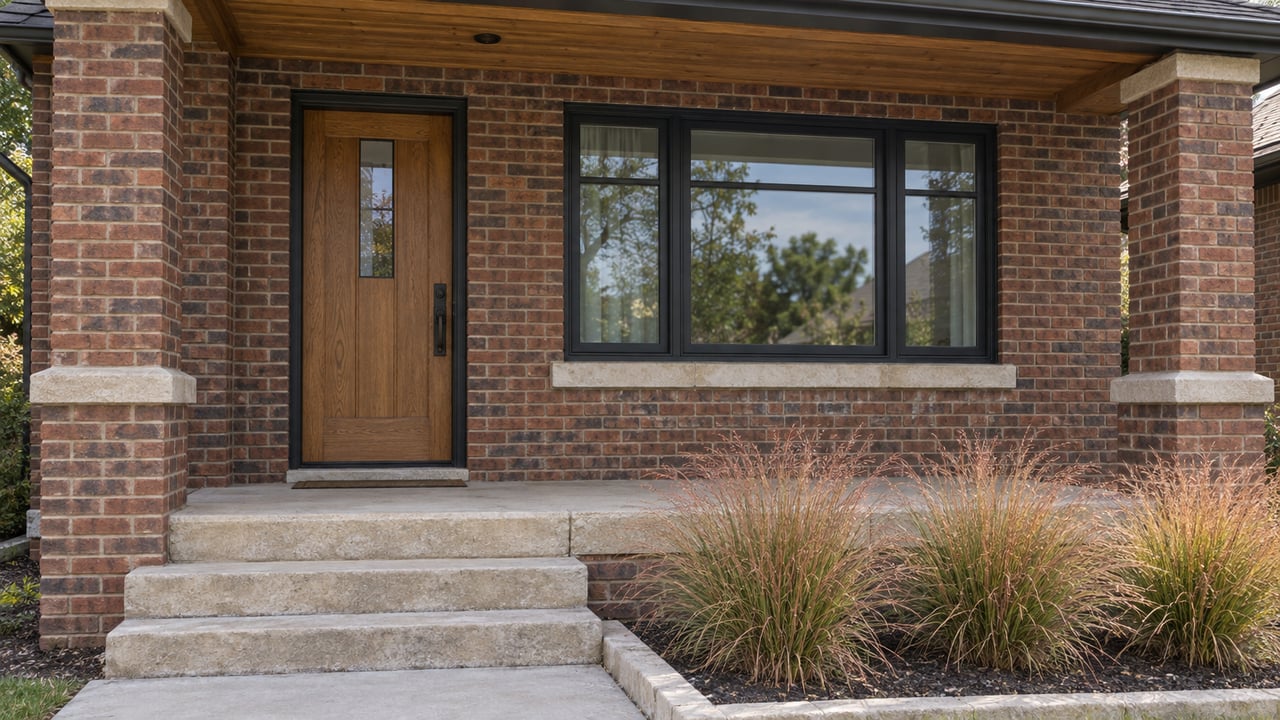
Townhomes are multi-level homes that share walls, often with fee simple ownership of the structure and the land underneath. In Evanston, they range from rowhouse-style properties in older neighborhoods to newer developments on the edges of the city and small clusters near transit or schools.
The key difference is who handles the exterior and amenities. Condos usually roll more building upkeep into a monthly association fee, while townhomes often shift more exterior and yard responsibilities to you. Always confirm in the governing documents.
Cost comparison: your true monthly number
Focusing only on mortgage payment can be misleading. Your best comparison tool is a 12-month cash flow view that captures all recurring and likely periodic costs.
What to gather for each listing
- Purchase price and price per square foot
- HOA or condo fee details, including what it covers and any utilities included
- Property taxes based on Cook County assessments and tax rates
- Insurance type and quote: HO-6 for a condo unit owner vs a standard homeowners policy for many townhomes
- Mortgage payment based on current local rates
- Utilities: electric, gas, water, trash, and sewer
- Routine maintenance and capital reserve contributions
- Special assessments history and likelihood, especially in older buildings
- Parking fees for garage or assigned spaces
The total monthly cost formula
Use this simple calculation when comparing two properties:
Total monthly cost = Mortgage P&I + (Annual property taxes ÷ 12) + (Annual insurance ÷ 12) + HOA/condo fee + Average utilities + Monthly maintenance reserve + Parking fee (if any).
Build this as a quick spreadsheet. It will show the true difference between a lower-fee townhome that needs more exterior upkeep and a higher-fee condo that covers more building costs.
How fees and utilities differ in Evanston condos
Evanston condos often include some exterior insurance, common utilities, snow removal, landscaping, and contributions to reserves within the monthly fee. Some buildings include water or heat, which can shift utilities out of your monthly budget. Review the HOA budget and reserve study to understand what is covered today and whether fees may increase to fund upcoming projects.
Estimating maintenance for townhomes
Many townhomes behave more like single-family homes from a maintenance standpoint. Plan for roof, exterior walls, exterior doors and windows, gutters, driveway, garage, and yard care. If there is an HOA, it may handle snow removal and common landscaping. To compare apples to apples, estimate an annual maintenance amount for a townhome and divide by 12. Add that to your monthly calculation as a condo-fee equivalent.
Parking and property taxes
Parking often differs by property type and location. Condos may have assigned garage spots or surface spaces that can carry an additional monthly fee. Townhomes more commonly include garage or driveway parking. For taxes, check the Cook County Assessor and Treasurer to understand assessments, exemptions, and the actual tax bill for each property.
Maintenance and risk: who handles what
Maintenance responsibility affects both your workload and your risk of larger out-of-pocket expenses. Always confirm specifics in the governing documents.
Condos: typical responsibilities and risks
- HOA usually handles exterior envelope items like roof and exterior walls, common HVAC, elevators, common utilities, landscaping, snow removal, and structural repairs.
- You are usually responsible for interior finishes, in-unit fixtures, some in-unit mechanicals, and a HO-6 insurance policy for interior and contents.
- Risk to watch: underfunded reserves or deferred maintenance in older buildings. In Evanston, special assessments can arise for masonry, windows, roofs, and boilers, especially in vintage masonry buildings.
Townhomes: typical responsibilities and risks
- You commonly handle roof, exterior walls, windows and doors, yard and landscaping, driveway, and garage. If there is an HOA, it may cover snow removal or common landscaping.
- Scope varies widely. Some townhomes function like single-family homes from a cost and responsibility standpoint.
- Risk to watch: variability in exterior maintenance can mean larger, less predictable capital expenses over time.
Documents to review before you commit
- HOA budget, recent financial statements, and the reserve study
- Minutes from recent HOA meetings for project updates, delinquencies, or litigation
- Insurance declarations that clarify what the HOA policy covers and what you must insure
- A list of special assessments in the past 5 to 10 years and any planned projects
- Rules and regulations that outline rental caps, pet policies, and leasing restrictions
Space, privacy, and lifestyle
How you live matters as much as what you pay. Consider layout, storage, outdoor access, noise, and location patterns.
Layout and storage
Condos often deliver efficient floor plans and single-level living, which can be great for accessibility and daily flow. Larger multi-bedroom condos do exist but may have less private storage. Townhomes typically offer more interior square footage across multiple levels, plus more closets, garage storage, and flexibility for home offices.
Outdoor space and parking
Condos may offer balconies, shared courtyards, or rooftop decks. Parking is sometimes assigned in a garage and may have an added cost, or you may rely on street or permit parking based on the block. Townhomes more often provide a small private yard or patio and attached garage or driveway parking.
Noise and privacy
Condos share walls, floors, and ceilings. The building’s construction quality will influence sound transfer. Townhomes also share walls but typically have fewer stacked neighbors, which can mean less vertical noise.
Location patterns in Evanston
Proximity to Northwestern University, downtown Evanston, and CTA or Metra lines shapes demand. Condos near Church Street and Chicago Avenue tend to support a walkable, amenity-rich lifestyle that attracts students, faculty, professionals, and downsizers. Townhomes are often found on quieter residential blocks with convenient access to parks and schools.
Accessibility and aging in place
If avoiding stairs is a priority, single-level condo living can be a strong fit. Townhomes often place bedrooms on upper floors, which may not suit every buyer over time.
Resale and financing signals
Thinking about your exit strategy now will help you buy with confidence.
Buyer pools in Evanston
Condos generally draw a broader buyer pool that includes first-time buyers, downsizers, and investors, especially near university corridors and transit. Townhomes often appeal to move-up buyers and small families who value ownership of land and less shared governance. The buyer pool size can influence days on market and pricing power.
HOA health and loanability
For condos, loan approval can hinge on association factors like owner-occupancy rate, delinquency levels, reserves, and litigation. FHA or VA buyers may need project approval to finance. Townhomes classified as single-family residences often face fewer project-level hurdles. Strong association finances can widen the buyer pool when you resell.
Appreciation drivers and risks
What tends to help: proximity to transit and downtown services, strong building or structure condition, healthy reserves, and a low-supply backdrop. What can hurt: high HOA fees that compress the buyer pool, pending special assessments, litigation, low reserves, and restrictive rental policies that deter investor demand.
A side-by-side checklist you can use today
Use this checklist when you compare a condo and a townhome in Evanston. Bring it to showings and fill it in with each property’s details.
- Price snapshot
- List price, recent price changes, and price per square foot.
- HOA or condo fee breakdown
- What is included, and how much goes to reserves.
- Reserve study and capital plan
- Major projects planned in the next 5 to 10 years.
- HOA meeting minutes
- Look for building projects, policy changes, delinquencies, or litigation.
- Insurance coverage
- What the association policy covers vs what you must cover with HO-6 or homeowners insurance.
- Special assessments
- Any current or upcoming assessments and a list from the past 5 to 10 years.
- Rental and occupancy policies
- Owner-occupancy percentage, rental caps, and leasing rules.
- Parking specifics
- Assigned spot, garage access, and any monthly fees.
- Storage and utility setup
- Basement, storage cage, or garage storage; confirm which utilities are included.
- Exterior systems condition
- Roof, windows, masonry, boilers or mechanicals, with inspection details.
- Zoning or landmark considerations
- Any limits on renovations or exterior updates.
- Location context
- Transit access, parks, and school proximity based on your needs.
- Financing considerations
- If FHA or VA is relevant, verify condo project approval.
- Townhome maintenance reserve
- Your estimated annual exterior and yard costs divided by 12.
- Total monthly cost comparison
- Use the formula to build a 12-month cash flow view for each property.
Bottom line
If you want single-level living, shared building upkeep, and walkability near downtown Evanston or Northwestern, a condo may fit your lifestyle and budget. If you want more space, private outdoor areas, and control over exterior decisions, a townhome can deliver that, with a maintenance plan built into your monthly budget. The best choice is the one that aligns with your total monthly cost comfort, day-to-day habits, and exit strategy.
If you would like a side-by-side analysis of two properties, or help reading HOA documents and reserve studies, reach out to Clare Spartz. We will walk you through costs, maintenance, and resale signals so you can buy with confidence.
FAQs
How do I calculate the true monthly cost for an Evanston condo or townhome?
- Add mortgage principal and interest, taxes divided by 12, insurance divided by 12, HOA or condo fees, average utilities, a maintenance reserve, and any parking fee.
What does a condo fee typically cover in Evanston?
- Many condo fees include exterior insurance, common utilities, snow removal, landscaping, and reserve contributions, with specifics listed in the HOA budget and governing documents.
Are special assessments common in older Evanston buildings?
- They can occur, particularly for masonry, window, roof, or boiler projects in vintage masonry buildings, which is why reviewing the reserve study and minutes matters.
Will I have to handle exterior maintenance in a townhome?
- Often yes, including roof, exterior walls, windows, doors, driveway, garage, and landscaping, though some HOAs handle snow removal and common areas.
Can I use FHA or VA financing for an Evanston condo?
- Possibly, but many condo projects require approval; confirm the project’s status early if FHA or VA is part of your plan.
Which offers more privacy, a condo or a townhome?
- Townhomes often have fewer stacked neighbors and can reduce vertical noise, while condos depend heavily on building construction and location of the unit.
How does proximity to Northwestern influence resale potential?
- Areas near the university and transit often draw a broader buyer and renter pool, which can support demand for condos and smaller units.
What should I look for in HOA documents before buying?
- The annual budget, reserve study, recent meeting minutes, insurance declarations, special assessment history, and rules or rental policies that could affect use and resale.