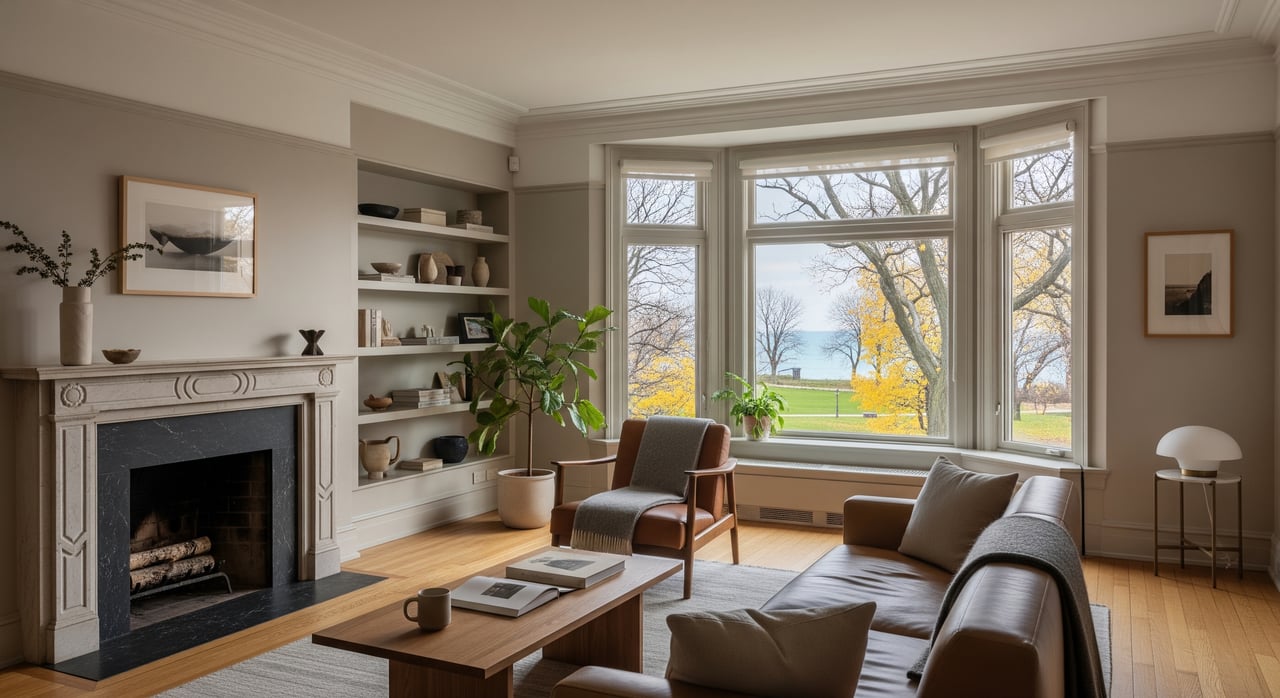
Thinking about making Lincoln Park your home base in Chicago? With tree-lined streets, a lakeside park that feels like a backyard, and lively dining corridors, it is easy to see the appeal. Whether you are weighing your first condo or planning a strategic sale, you want a clear picture of everyday life, the housing mix, and what drives value here. This guide walks you through what it feels like to live in Lincoln Park, how to navigate housing choices, and smart tips for buyers and sellers. Let’s dive in.
Lincoln Park at a glance
Lincoln Park sits on Chicago’s North Side along Lake Michigan, stretching west from the lake toward the Clybourn and Elston corridors. The neighborhood flows around a continuous band of parkland along the lake, which shapes daily routines for many residents. You feel a balance of calm residential blocks near the park and energetic commercial streets where dining and shopping stay busy.
Seasonality matters. Warm months bring outdoor runs on the Lakefront Trail, beach days, and patio dinners. In winter, you rely more on transit and cozy indoor spots, with the park still offering peaceful walks and snow-covered views.
What daily life feels like
You can choose your pace. East of Clark Street feels more residential and quieter near green space, while Clark, Lincoln, Armitage, Halsted, and Fullerton offer a steady mix of cafes, restaurants, and services. DePaul University’s Lincoln Park campus adds academic energy and student life, especially during the school year.
Weekdays are about convenience. Many errands are walkable, and evenings often shift to local restaurants or fitness studios. Weekends center on the park, the zoo, or a neighborhood coffee crawl.
Housing types you will see
Lincoln Park’s housing is diverse, which helps you match home style to lifestyle.
- Vintage two- and three-flats that are condos or rentals, often with classic details.
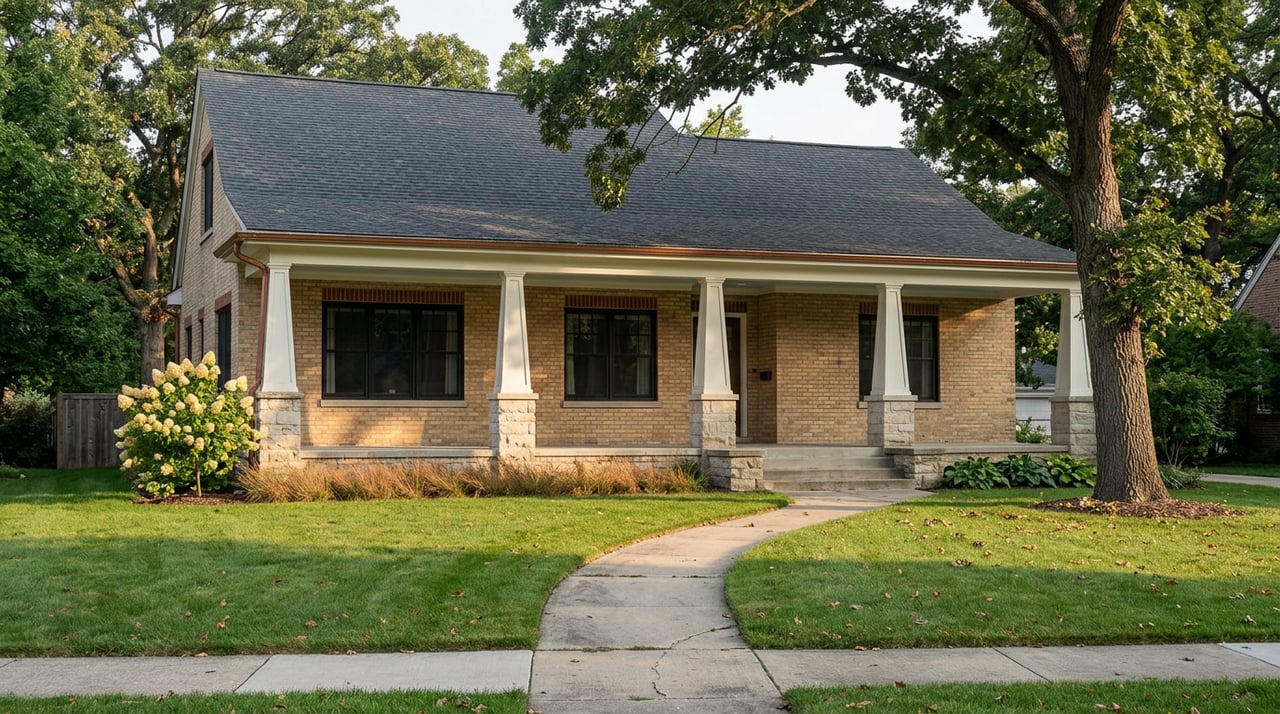
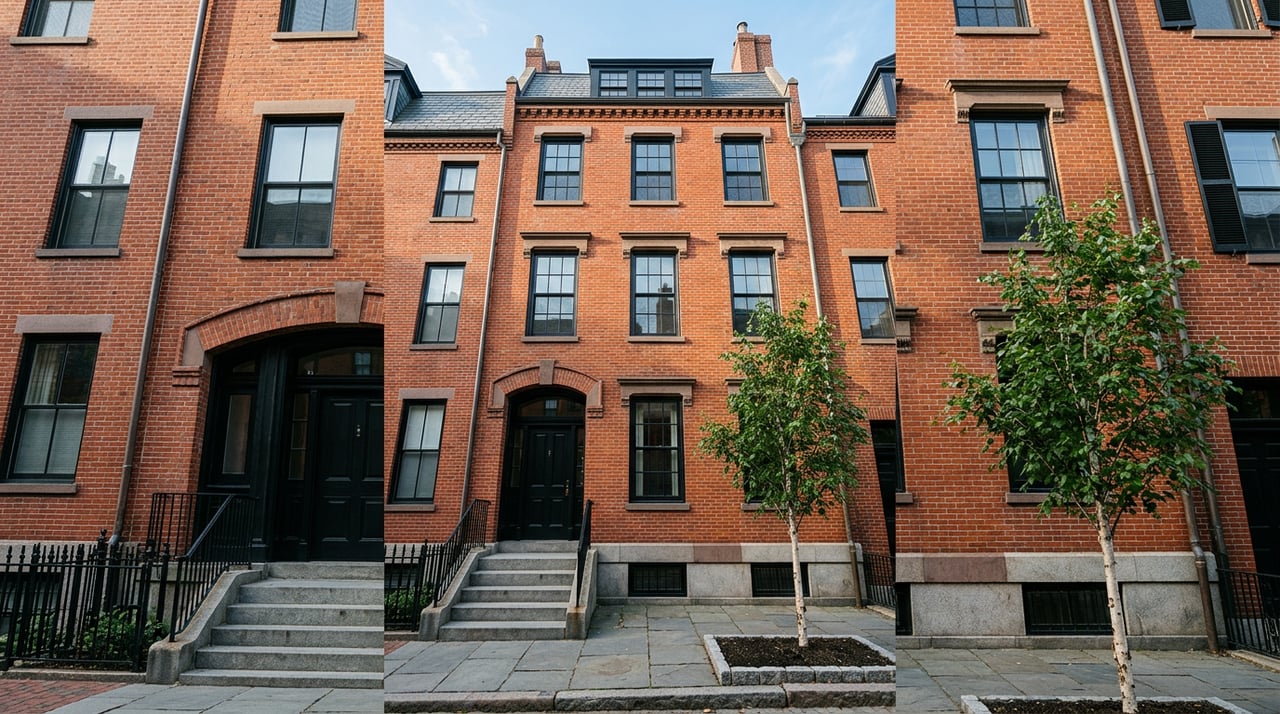
- Greystones, brownstones, and Victorian-style rowhomes on select blocks.
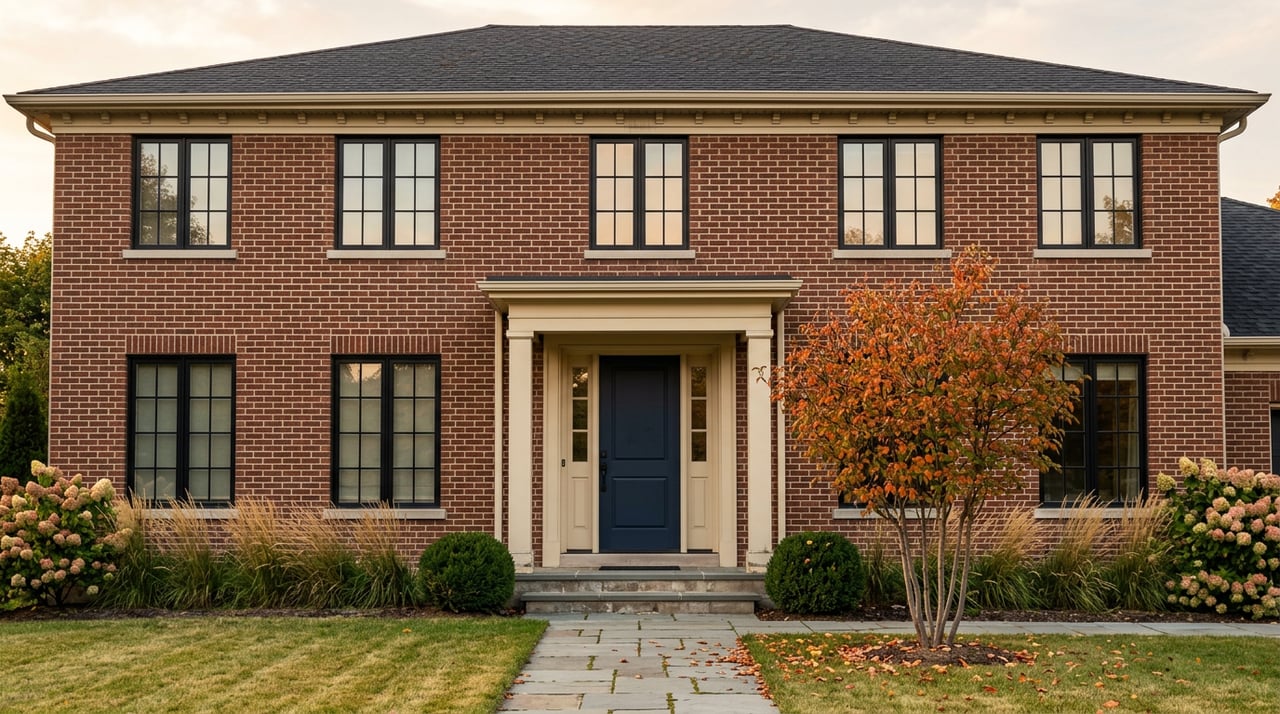
- Single-family homes and small historic mansions in pockets near the park.
- Modern mid-rise and high-rise condos along major corridors and near transit.
- Newer infill townhomes and gut-rehabbed vintage buildings with updated systems.
Market positioning and value drivers
Lincoln Park is consistently one of Chicago’s higher-demand neighborhoods, thanks to lakefront access, abundant parkland, school options, and strong dining and retail. Prices and rents vary by micro-location. Homes closest to the park and lakefront, and properties near DePaul and the Fullerton L station, often command premiums. Quieter side streets and farther west blocks can be relatively more affordable.
Features that boost marketability include proximity to green space, updated kitchens and baths, and off-street or deeded parking. With steady demand from students and young professionals, rental properties can see consistent interest, though condo association rules and city rental regulations matter for investors.
Is Lincoln Park a fit for you?
Active families
You get daily access to parkland, playgrounds, and family-friendly programs. Multi-bedroom layouts and private outdoor space can be found in single-family homes, townhomes, and larger condos. School options include public, private, and parochial choices, which many families evaluate alongside commute and activity needs.
Young professionals and students
Walkability and transit are strong, so you can skip a car if you prefer. Smaller condos and rentals near commercial corridors place you close to coffee, fitness, and nightlife. The lakefront and the trail make it easy to stay active before or after work.
Downsizers and empty nesters
You will find low-maintenance condos with elevator service and proximity to dining and culture. Walkable errands and quick transit into the Loop support a lock-and-go lifestyle. The park, zoo, and neighborhood institutions offer an easy rhythm for weekends.
Getting around and commuting
CTA rail is a major advantage. The Fullerton station serves multiple L lines, which makes trips to the Loop convenient. Bus routes crisscross the neighborhood for north-south and east-west connections.
Walking and biking are practical for many daily needs. The Lakefront Trail supports both recreation and some commutes. Driving to the Loop can be quick during off-peak times, but traffic increases at rush hour and during lakefront events.
Parking can be tight. Many streets use residential permit zones, and meters and street cleaning rules affect daily routines. Deeded or garage parking is a premium feature that can influence both convenience and resale.
Parks, culture, and everyday amenities
Lincoln Park, the parkland itself, is the neighborhood’s heartbeat, with paths, athletic fields, dog areas, and countless green pockets for informal play and exercise. The Lincoln Park Zoo is free and a favorite for casual weekend visits, while the Lincoln Park Conservatory offers a quiet indoor escape. The Lakefront Trail and North Avenue Beach shape an active, outdoorsy routine in warmer months.
For errands and dining, Clark, Halsted, Lincoln, Armitage, and Fullerton provide grocery options, pharmacies, dry cleaning, cafes, and restaurants. Cultural anchors like the Chicago History Museum and campus events at DePaul add variety to evenings and weekends.
Schools and community services
You can choose from a mix of Chicago Public Schools, private, and parochial options. Lincoln Park High School serves local families, and DePaul University provides a higher-education presence in the neighborhood. School choice and selective enrollment processes can factor into family decisions.
City services shape everyday logistics. Street cleaning, trash collection, and snow removal follow Chicago schedules, and winter weather can impact parking and commutes. Residential permit parking and neighborhood-specific ordinances are managed by the city, so it pays to check your block’s designation.
Buyer checklist: what to evaluate
- Prioritize your trade-offs: walkability and amenities vs. larger indoor or private outdoor space.
- Understand building details in older multi-unit homes, including parking, central AC, and the condition of systems.
- Review condo association documents, reserves, assessments, and any rental restrictions.
- Consider noise and activity levels near major corridors, the zoo, or the lakefront, especially in summer.
- Weigh proximity to green space and transit, which tend to support long-term value.
Seller playbook: prepare to stand out
Lead with lifestyle. Highlight proximity to the park and lake, outdoor space, and any park or skyline views. Showcase updated kitchens and baths, in-unit laundry, and parking or garage access.
Documentation matters. Provide clarity on building reserves, assessment history, rental policies, and recent improvements such as roofs and mechanicals. In vintage homes, clear records on system updates help justify price.
Design sells. Thoughtful staging helps buyers visualize daily life, from a coffee nook to a home office corner. With complimentary, broker-led staging and in-house styling, you can elevate first impressions and drive stronger outcomes.
Long-term fit and resale outlook
Proximity to the park and lake, access to multiple transit lines, and quality improvements tend to support value over time. Housing turnover and buyer competition are steady, so well-presented homes benefit. If you plan ahead on parking, building condition, and layout flexibility, you can buy or sell with confidence.
Ready to talk next steps or see how staging could impact your sale? Reach out to Clare Spartz for a design-forward plan and a clear path to the closing table.
FAQs
Is Lincoln Park family-friendly in practice?
- Families often value the neighborhood’s parkland, playgrounds, and programs, along with a range of school options and walkable amenities.
How is transit from Lincoln Park to downtown?
- Multiple CTA L lines meet at Fullerton, and buses provide coverage, so many commutes to the Loop are efficient without a car.
What housing types are most common in Lincoln Park?
- You will see vintage two- and three-flats, rowhomes and greystones, single-family homes, modern condos, and newer infill townhomes.
What should I know about parking?
- Street parking can be limited, with permit zones and street cleaning rules. Deeded or garage parking adds daily convenience and can support resale value.
Will my property hold value in Lincoln Park?
- Proximity to green space and the lake, access to transit, and quality improvements are consistent value drivers across the neighborhood.
How do residents assess safety and schools?
- Many residents review Chicago Police Department crime maps for block-level context and explore Chicago Public Schools and private school options to find the best fit for their needs.