Looking for a Chicago neighborhood where design history meets everyday creativity? If you love brick, timber, and a quick train to the Loop, Wicker Park and West Town may fit your life perfectly. In this guide, you’ll learn how the housing stock, creative scene, transit, and market signals come together for buyers and investors. Let’s dive in.
Why Wicker Park and West Town stand out
Wicker Park sits inside the larger West Town community area, a patchwork of neighborhoods with a strong creative and hospitality scene. You’ll see historic greystones, classic brick walk-ups, and true loft conversions surrounded by boutiques, cafés, and galleries. The result is a walkable, high-energy vibe that attracts design-minded buyers and long-term investors. For neighborhood context and business directories, explore the Wicker Park Bucktown chamber site.
West Town vs. Wicker Park
Wicker Park is one neighborhood within West Town, which also contains Ukrainian Village, Noble Square, East Village, and River West. These names are used differently by different sources, so it helps to confirm boundaries when you’re comparing prices and comps. To get oriented, see the West Town community area overview.
Housing and architecture on the block
Wicker Park and West Town offer a wide range of home types and price points. That mix supports creative buyers looking for character and investors seeking multi-unit or condo opportunities.
Classic greystones and walk-ups
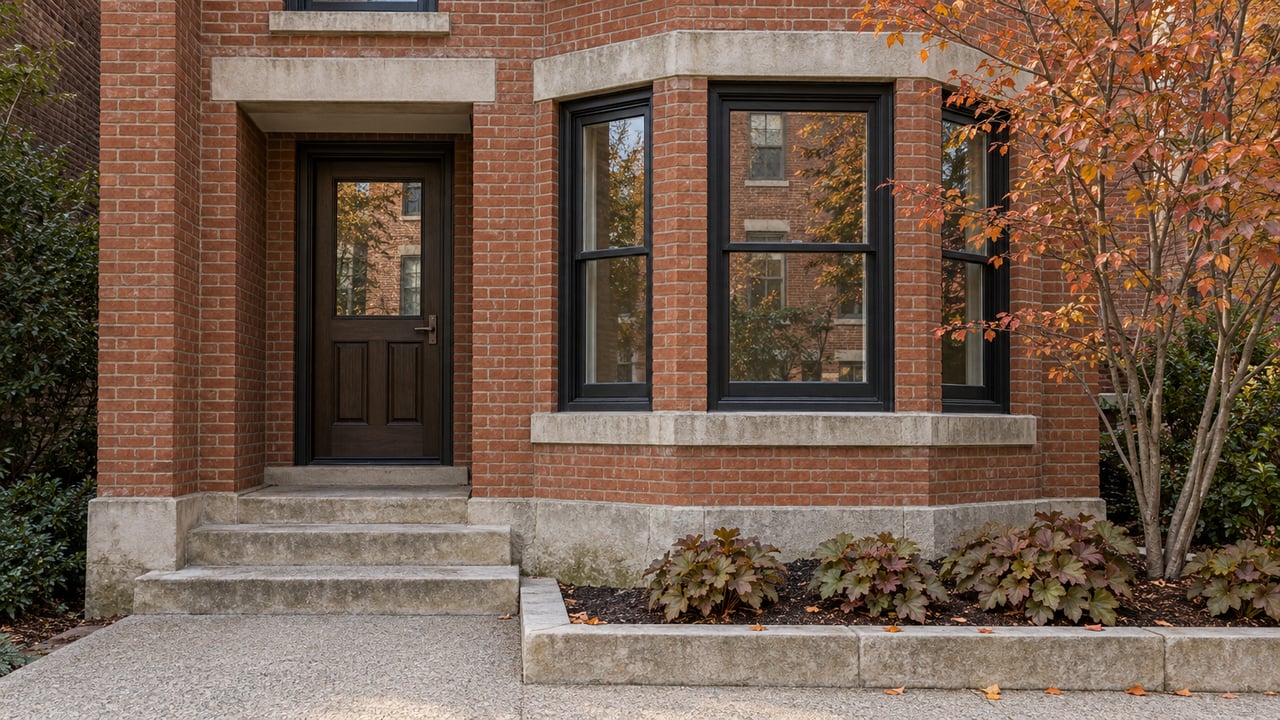
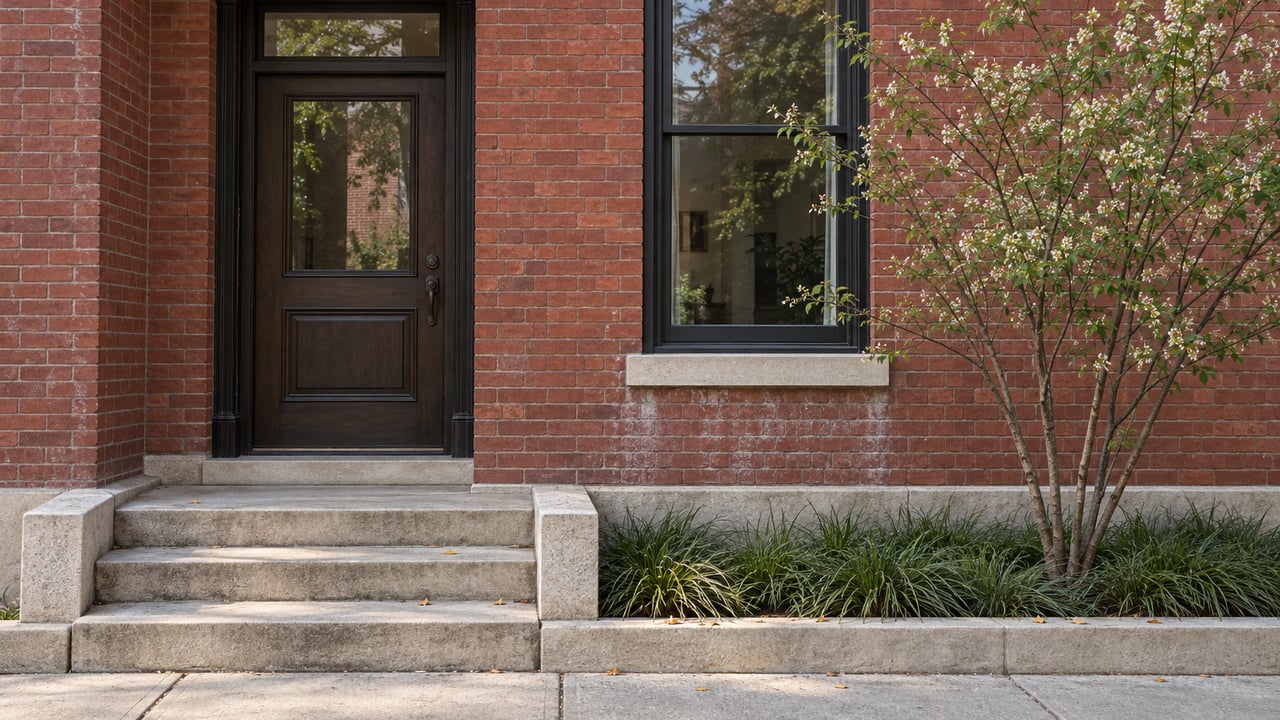
On many streets you’ll find Victorian and Queen Anne greystones alongside 2- and 3-flat brick walk-ups. Many buildings feature early 20th-century storefronts at the ground level with apartments above. If you love original materials and traditional proportions, these blocks deliver the look and feel you expect from historic Chicago. Learn more about protected areas in the Wicker Park District.
Loft conversions and adaptive reuse
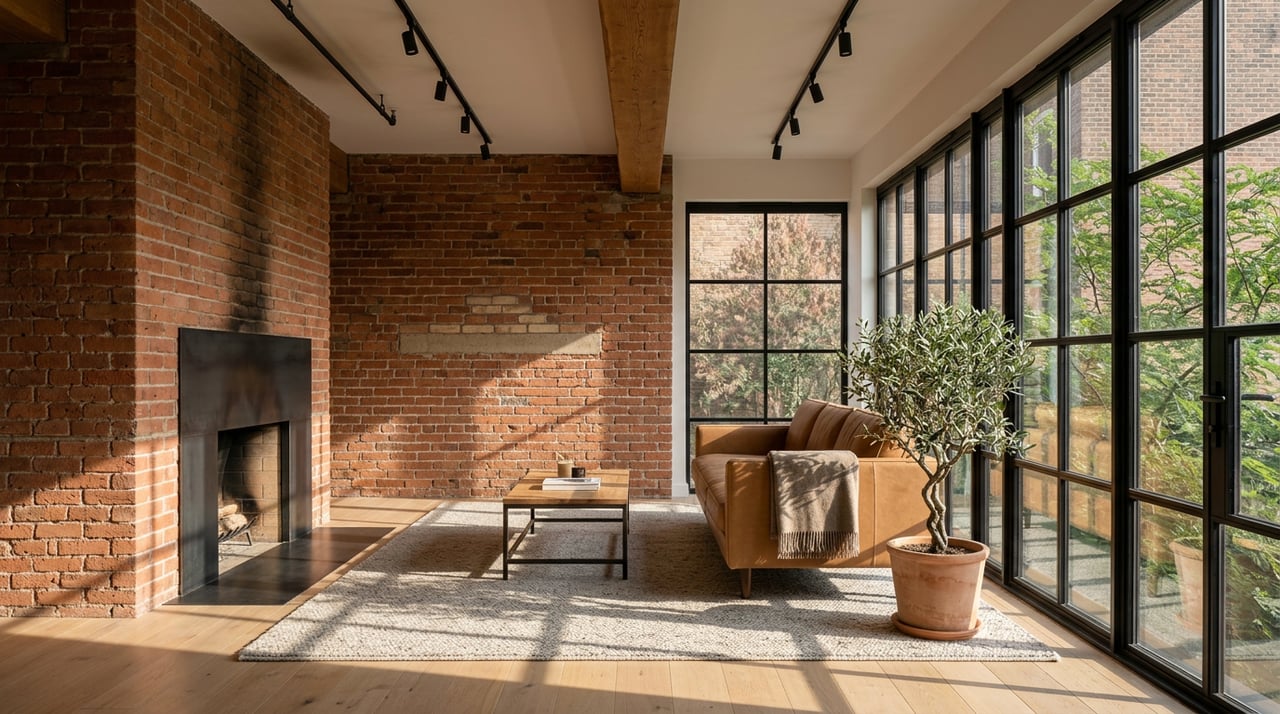
West Town and adjacent River West include industrial and warehouse buildings that have been converted to residential lofts since the 1980s. Expect large windows, tall ceilings, and open plans that work well for live-work lifestyles and creative setups. You’ll also see newer loft-style developments that echo those features while adding modern systems and amenities. For a broader neighborhood backdrop, visit West Town’s history and development overview.
Landmark guidelines and design tips
Parts of Wicker Park’s commercial and residential fabric are landmarked. That protects character and streetscape quality, but it can add steps for exterior changes during renovations. If your plan includes a façade update, confirm if the property sits inside a district like the Milwaukee Avenue Commercial District and review the applicable guidelines early.
Everyday life: cafés, shops, galleries
You’ll spend a lot of time along the area’s main streets. Each corridor has a clear personality and a useful mix of daily needs, design shops, and night spots.
Milwaukee Avenue: the shopping spine
Milwaukee Avenue runs diagonally through Wicker Park, tying together boutique retail, home goods stores, record shops, and coffee bars. It has long served as a central business strip, and today it still anchors the neighborhood’s retail energy. For a quick look at its historic character, see the Milwaukee Avenue Commercial District overview.
Division Street dining and nightlife
Division Street is a local dining hub with restaurant patios, bars, and cafés clustered near the neighborhood’s core. If you like an after-work walk to meet friends, this corridor makes it easy. Get a flavor of the scene from Fodor’s Wicker Park nightlife guide.
North, Damen, and Chicago Avenue
North Avenue adds late-night food spots and casual hangouts, while Damen Avenue and Chicago Avenue deliver neighborhood retail, coffee, and services. Chicago Avenue also connects to gallery pockets, which contributes to the area’s layered creative identity. For neighborhood merchants and event calendars, the Wicker Park Bucktown chamber is a helpful resource.
The 606: a built-in trail for fresh air
The elevated Bloomingdale Trail, branded The 606, runs along the northern edge of the area for 2.7 miles. It is a recreational and bike corridor with frequent access points, and it has become a magnet for nearby development. If you run, cycle, or walk a dog, living near the trail adds easy daily movement. Plan your route on the official 606 site.
Getting around: Blue Line and quick commutes
One of the largest advantages here is transit. The CTA Blue Line serves the neighborhood at Damen, Division, and Chicago stations, providing direct, rapid service into the Loop. Rides from these stations into core downtown stops are typically short, making commutes compact compared with many other areas. Station details are available on the Damen Blue Line page.
Walkability and biking
Many addresses across Wicker Park and West Town report walk scores in the 90s, which puts everyday errands, coffee, and dining within quick reach. Bike lanes and the trail network help you navigate the area without a car. If car-light living is on your wish list, this part of the city makes it simple.
Market snapshot and investment angles
If you are weighing a purchase for personal use or as an investment, it helps to frame price, rent, and demand drivers in simple terms.
Pricing overview
Recent neighborhood indicators show typical home values in Wicker Park around $673,120. In the broader West Town area, a recent median sale price landed near $699,000. Street-by-street location, housing type, and renovation level make a big difference, so review current comps for your specific building type.
Rental context
Asking rents vary by unit size and exact location, with many West Town zip codes posting median figures in the mid $2,000s. Lofts and newer condos near major corridors can command higher rents, especially when they offer outdoor space and proximity to the Blue Line. Include a few recent rental comparables when modeling buy-and-hold returns.
Demand drivers and watchouts
Strong walkability, direct rail access, and a deep mix of character housing stock support sustained demand from creative professionals and urban buyers. The local business ecosystem of galleries, independent retailers, and restaurants is another pull, reflected in resources from the Wicker Park Bucktown chamber. On the risk side, inventory can be limited in prime micro-pockets, landmark status can add approval steps for exterior changes, and neighborhood change is an ongoing topic in community discussions. Build a buffer into timelines and budgets to account for these factors.
Who this market suits
- Creative professionals who want compact lofts, 1–2 bedroom condos, or flexible live-work layouts near Milwaukee and Division.
- Buy-and-hold investors focused on 2-flats or small multifamily buildings along strong transit corridors.
- Value-add buyers targeting older walk-ups for cosmetic improvements, with an eye on landmark and permitting rules.
Five-point due diligence checklist
Before you write an offer, run through this quick list:
- Confirm the exact micro-neighborhood and ZIP code, since pricing can swing street by street. Start with the West Town overview to frame sub-areas.
- Check if the property sits in a landmark or historic district. The Wicker Park District page is a useful example of local guidelines.
- Pull recent like-for-like comps from the past 6 months that match your property type and finish level.
- Map the walk to the nearest Blue Line station, such as Damen, and confirm parking or permit rules if you own a car.
- Review the Wicker Park Bucktown chamber and SSA resources for merchant trends, amenity maps, and community updates via the chamber directory.
How Clare helps you move with confidence
If you are buying, you get clear guidance on micro-locations, building types, and resale potential tailored to your goals. If you are selling, you benefit from complimentary, Accredited Staging Professional-led styling that highlights the character buyers love in greystones and lofts. With design-first presentation and hands-on brokerage, you can move quickly and market with confidence. Ready to take the next step in Wicker Park or West Town? Connect with Clare Spartz to request a Free Home Valuation & Staging Consult.
FAQs
What is the difference between Wicker Park and West Town?
- Wicker Park is a neighborhood inside the larger West Town community area, which also includes Ukrainian Village, Noble Square, East Village, and River West; see the West Town overview for context.
Are there real lofts and live-work options in West Town?
- Yes, West Town and nearby River West include authentic adaptive-reuse lofts with large windows and open plans, plus newer loft-style developments; review the West Town background for history.
How long does the Blue Line take from Wicker Park to the Loop?
- Neighborhood Blue Line stations at Damen, Division, and Chicago offer direct service with short rides into core downtown stops; see the Damen station page for station details.
Is Wicker Park or West Town a good long-term investment?
- Many buyers and investors value the area’s transit access, walkability, and character housing stock, but returns depend on building type, purchase price, and timing; pull current comps and evaluate renovation rules before you buy.
What are the main commercial streets for dining and shopping?
- Milwaukee Avenue anchors retail with boutiques and cafés, while Division Street is a dining and nightlife hub; explore the district’s history via Preservation Chicago and nightlife context from Fodor’s guide.
What is The 606 and why does it matter for buyers?
- The 606 is a 2.7-mile elevated trail that adds walk and bike access along the area’s northern edge and often supports nearby development; learn more on the official 606 site.